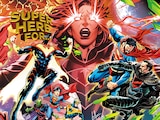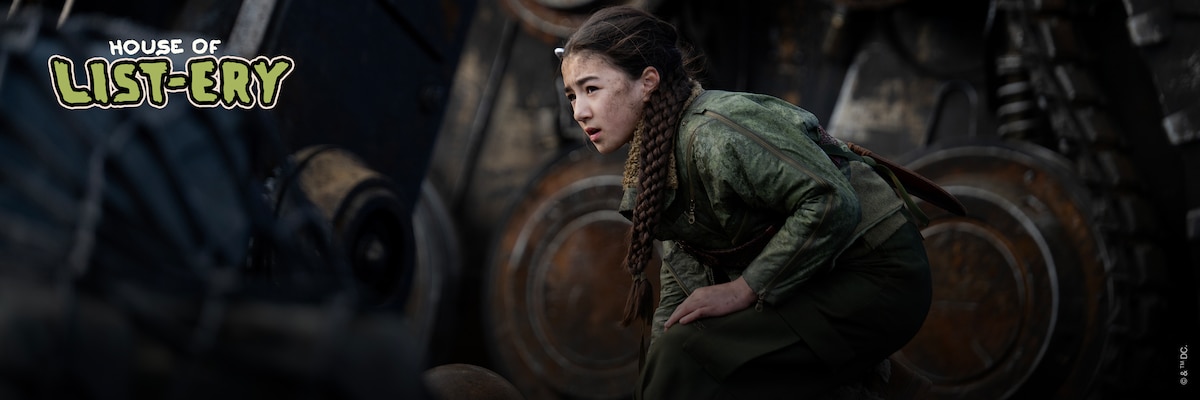
Superheroes are, more often not, aspirational figures. Designed to reflect the best part of us and to inspire us to do better. But heroes don’t always fit this mold. Some, like young Ruthye in this summer’s Supergirl movie, are traumatized by forces beyond their control and seek a path of vengeance. Not all succeed in their attempt, but it’s always a little jarring to watch avatars of righteousness demand an eye for an eye. Here are seven times superheroes sought revenge…

Batman: The Long Halloween/Batman: Dark Victory
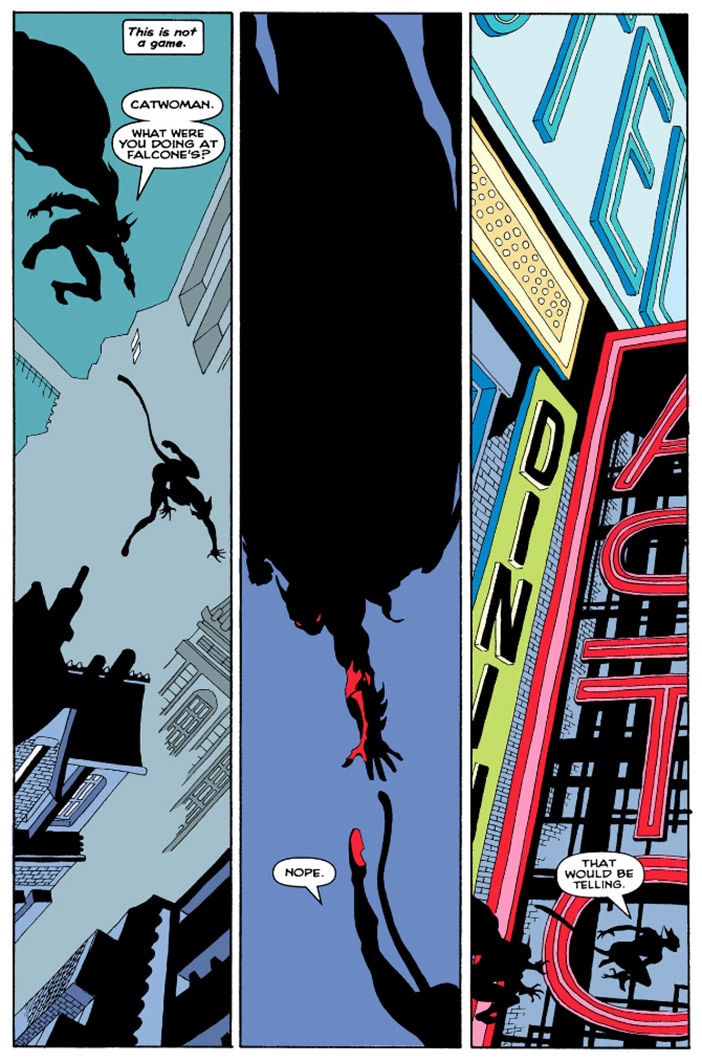
In addition to her long career as both thief and hero, the Catwoman has also been the Dark Knight’s soulmate, and a reflection of his own dark id. She does the things Batman can’t bring himself to do. Case in point: her targeting of Gotham City crime boss Carmine Falcone in writer Jeph Loeb and artist Tim Sale’s Batman: The Long Halloween and its sequel Batman: Dark Victory. In the latter series, it’s implied that Selina Kyle is Falcone’s daughter and wants revenge for his abandonment of her. The story of Selina’s secret parentage and resulting vendetta was impactful enough to play a role in the 2022 film The Batman.

V for Vendetta
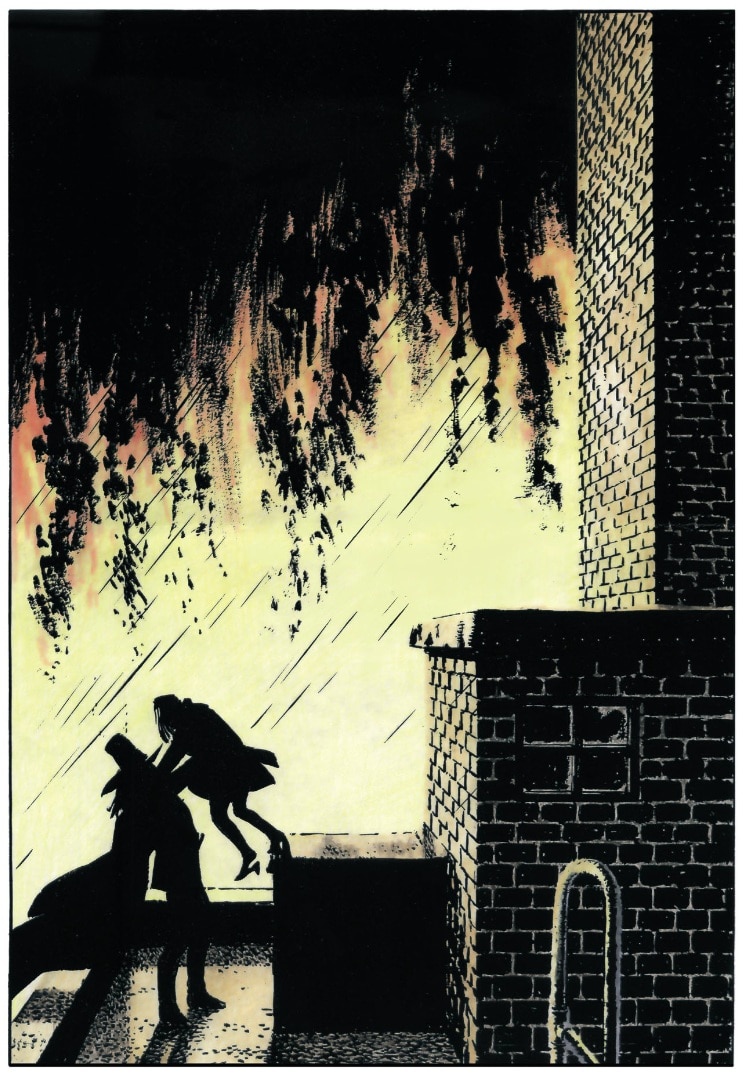
V is an outlier in this list, in that he was created for revenge. It’s in his name and in the mask he wears—Guy Fawkes, of the treasonous 1605 Gunpowder Plot. The antihero spends all ten issues of writer Alan Moore and artist David Lloyd’s V for Vendetta fighting the fascistic Norsefire government of the UK’s future. Unfortunately for that government, while one may be able to kill a person, an idea is bulletproof...

Green Arrow: The Longbow Hunters
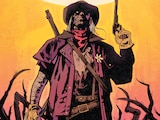
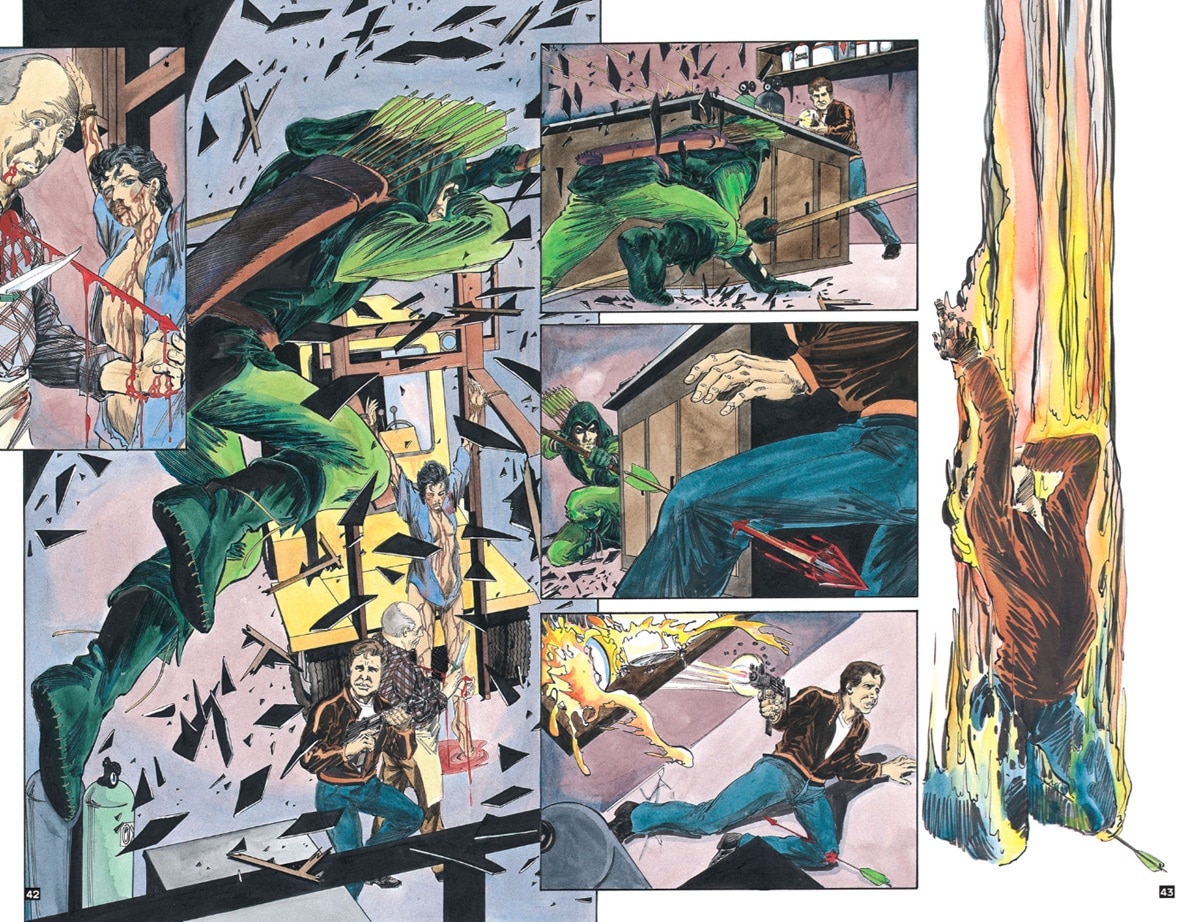
Writer-artist Mike Grell’s Green Arrow: The Longbow Hunters limited series defined Oliver Queen for the post-Crisis era. Initiating a persona that continued in the long-running Grell-scripted Green Arrow monthly, it later inspired TV’s Arrow (the first season of which saw Ollie dispense capital punishment weekly). The emotional fulcrum of this darker, grittier Green Arrow came in The Longbow Hunters #2, when Ollie’s partner Dinah Lance (AKA The Black Canary) was held captive and tortured while investigating a drug-running operation. The vigilante then turned antihero and sought bloody payback.

The Flash: Blitz
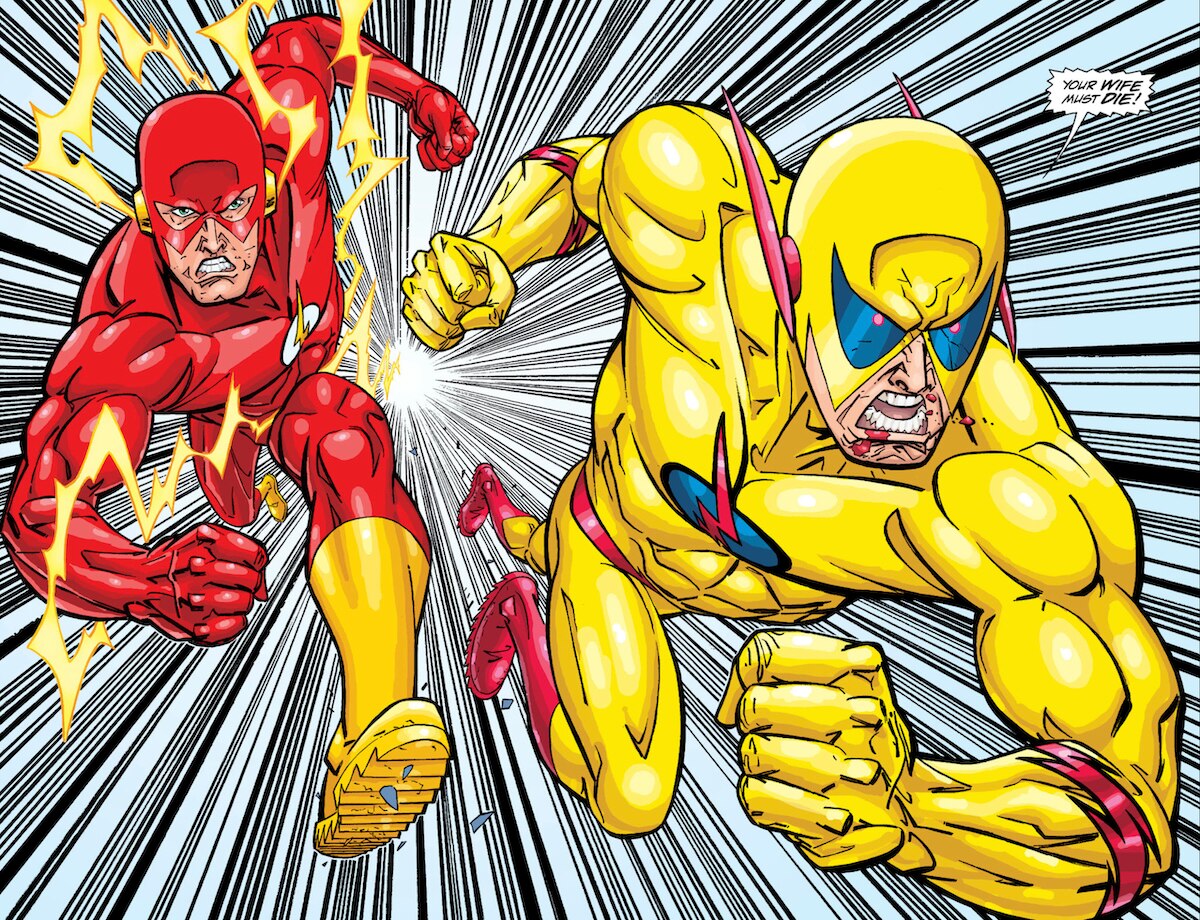
In The Flash #200, the finale of writer Geoff Johns and artist Scott Kolins’ “Blitz” storyline, we find two Flashes out for revenge. Former FBI profiler Hunter Zolomon—AKA Zoom—seeks to kill Wally West’s wife, Linda Park, as payback for Wally refusing to go back in time and prevent Zolomon from being paralyzed. Wally stops Zoom, but at a cost: Linda suffers a miscarriage and loses their twin babies. The Flash’s revenge? He traps Zoom in a temporal anomaly, forcing him to relive the greatest tragedy of his life: the moment he failed to save his father-in-law, who died as a result of Zolomon’s inaccurate criminal profiling, thus leading to his wife leaving him. (As explained in The Flash #197.)

Batman: A Death in the Family
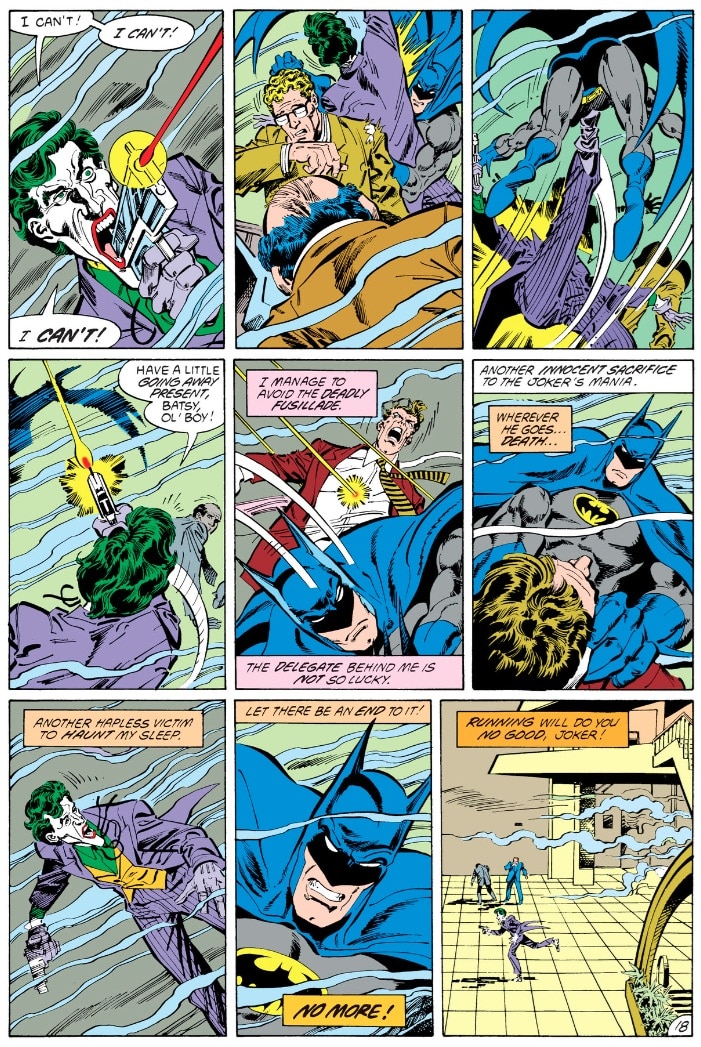
Batman is someone defined by his thirst for justice. But when the Joker beat Jason Todd and then blew him to smithereens in writer Jim Starlin and penciler Jim Aparo’s game-changing storyline “A Death in the Family,” the Dark Knight developed a distinct taste for vengeance. It was the first time Batman lost a Robin, and in Batman #428, he began hunting the Clown Prince of Crime. Alas, the Joker lived to torment Batman again. Years later, Todd would return in Batman: Under the Hood and seek his own kind of vengeance.

Injustice: Gods Among Us
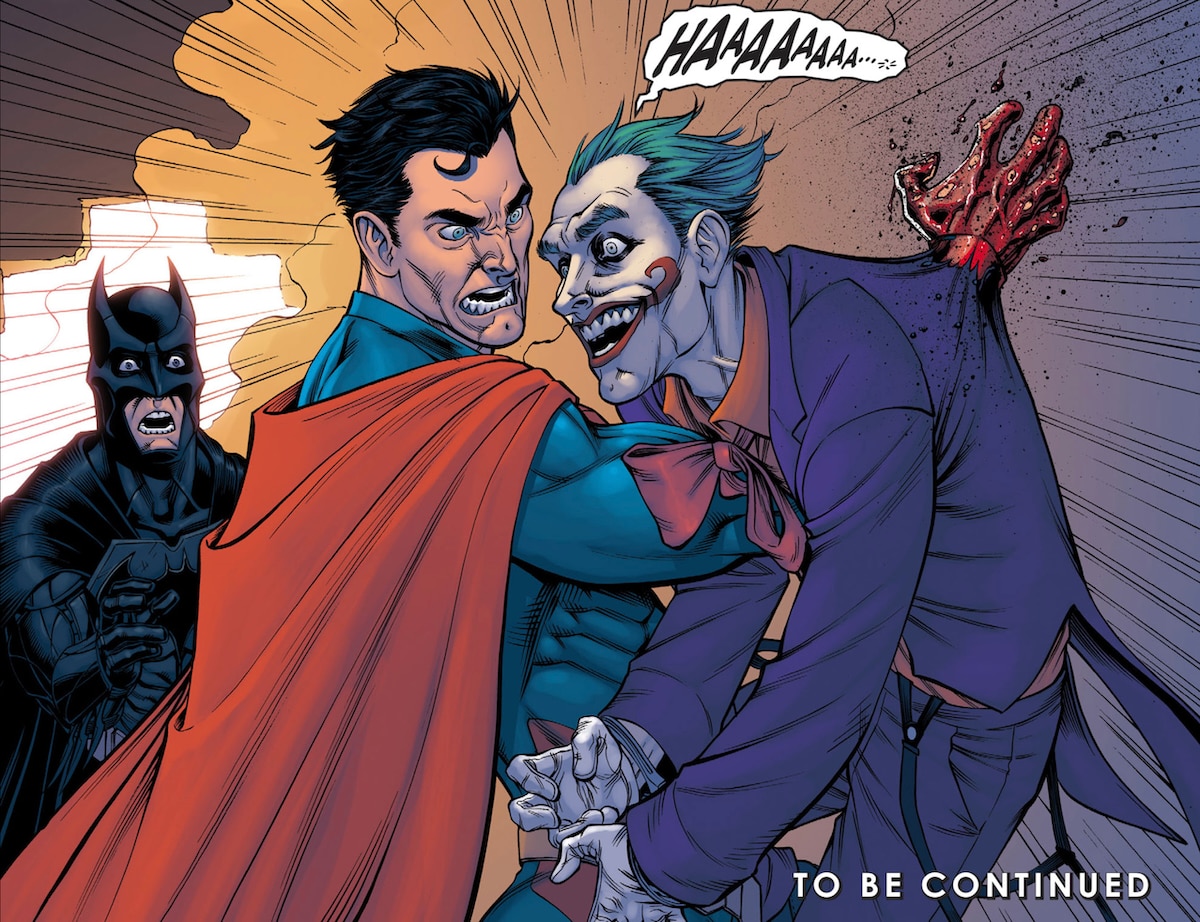
Injustice: Gods Among Us is the most epic superhero revenge story ever told, and the one that put writer Tom Taylor on the map. No matter that it takes place in an alternate universe—you’ll be glad it does. A comic book prequel to the video game of the same name, it depicts a Superman who turns dictator after the Joker tricks him into murdering a pregnant Lois Lane and destroying Metropolis. The Clown Prince of Crime is just the first of many fatalities that follow.

Green Lantern, “Forced Entry”
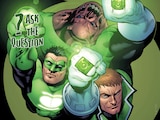
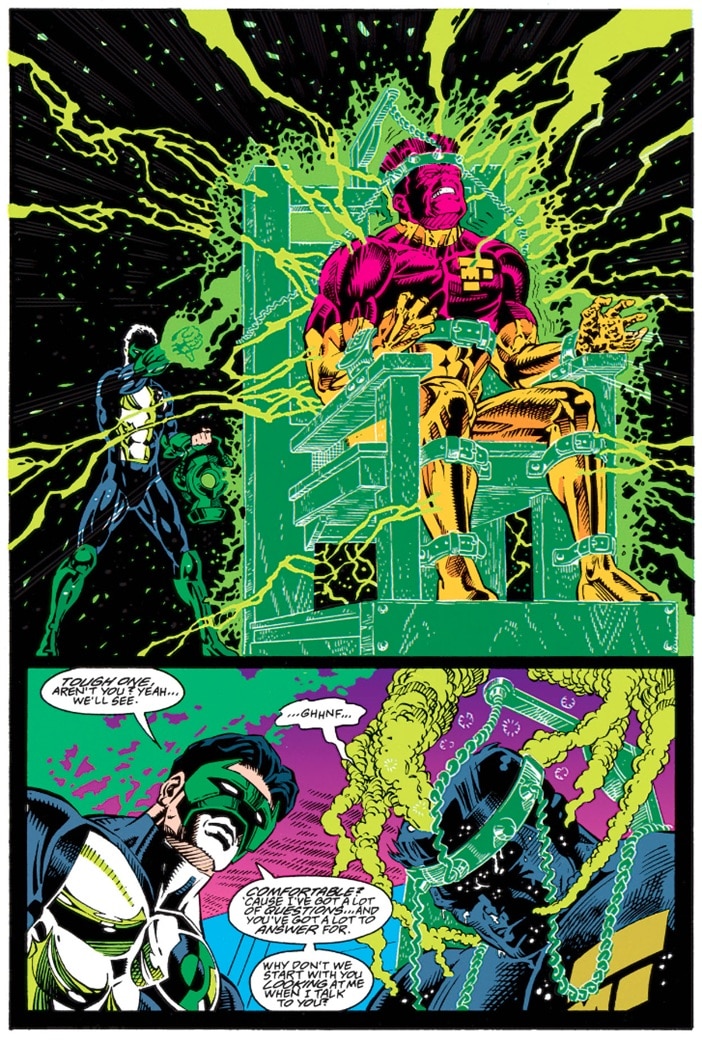
Then we have the most infamous revenge tale of all… Writer Ron Marz and penciler Steve Carr’s Green Lantern #54 is the comic in which Kyle Rayner arrives home from a mission and finds his girlfriend, photojournalist Alex DeWitt, murdered and shoved into a refrigerator by Kyle’s enemy Major Force. It led to writer Gail Simone coining the term “women in refrigerators” (or “fridging”) to describe the all-too-frequent trope of female characters being abused, tortured, or killed to provide motivation for male characters. In Green Lantern #55, for example, a mad-with-revenge Kyle uses his ring to construct an electric chair and electrocute Major Force.
Joseph McCabe writes about comics, film and superhero history for DC.com. Follow him on Instagram at @joe_mccabe_editor.
NOTE: The views and opinions expressed in this feature are solely those of Joseph McCabe and do not necessarily reflect those of DC or Warner Bros. Discovery, nor should they be read as confirmation or denial of future DC plans.