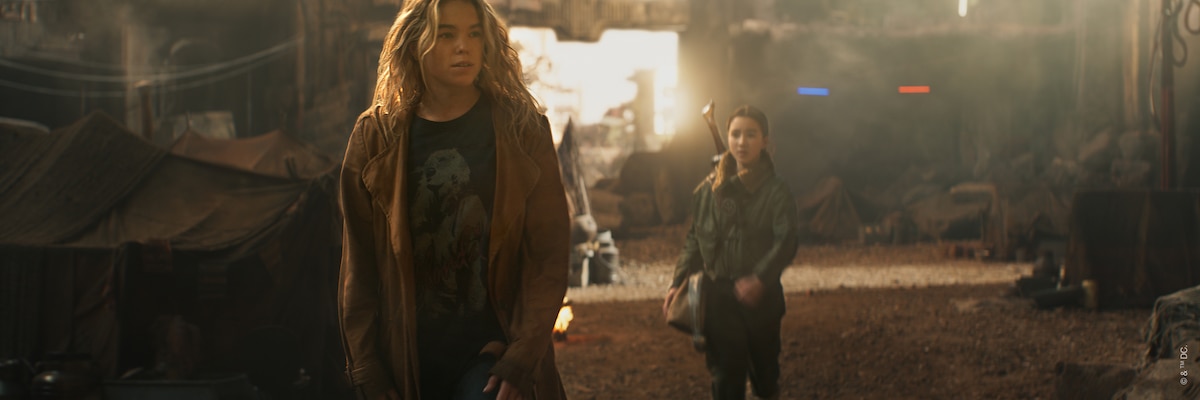
One of the longest-running criticisms of Kara Zor-El is that she isn’t Clark Kent. She’s too angry. Too impulsive. Too guarded. Too willing to let people see the edges of her grief.
Watching Supergirl, I kept thinking we’ve been asking the wrong question all along. Why are we asking Kara to be more like Clark instead of asking what made her different?
Clark knows Krypton through stories. Kara remembers it as home. Clark mourns an inheritance. Kara mourns memories. Clark teaches us what hope can inspire. Kara reminds us what hope has to survive. The difference shapes everything that follows.
The film’s flashbacks became its emotional anchor for me because they don’t exist to simply explain Kara’s anger. They remind us of her love. Before she became Earth’s protector, Kara was a daughter. She had parents whose voices she still remembers, a home she never wanted to leave, and a life she wasn’t ready to lose.
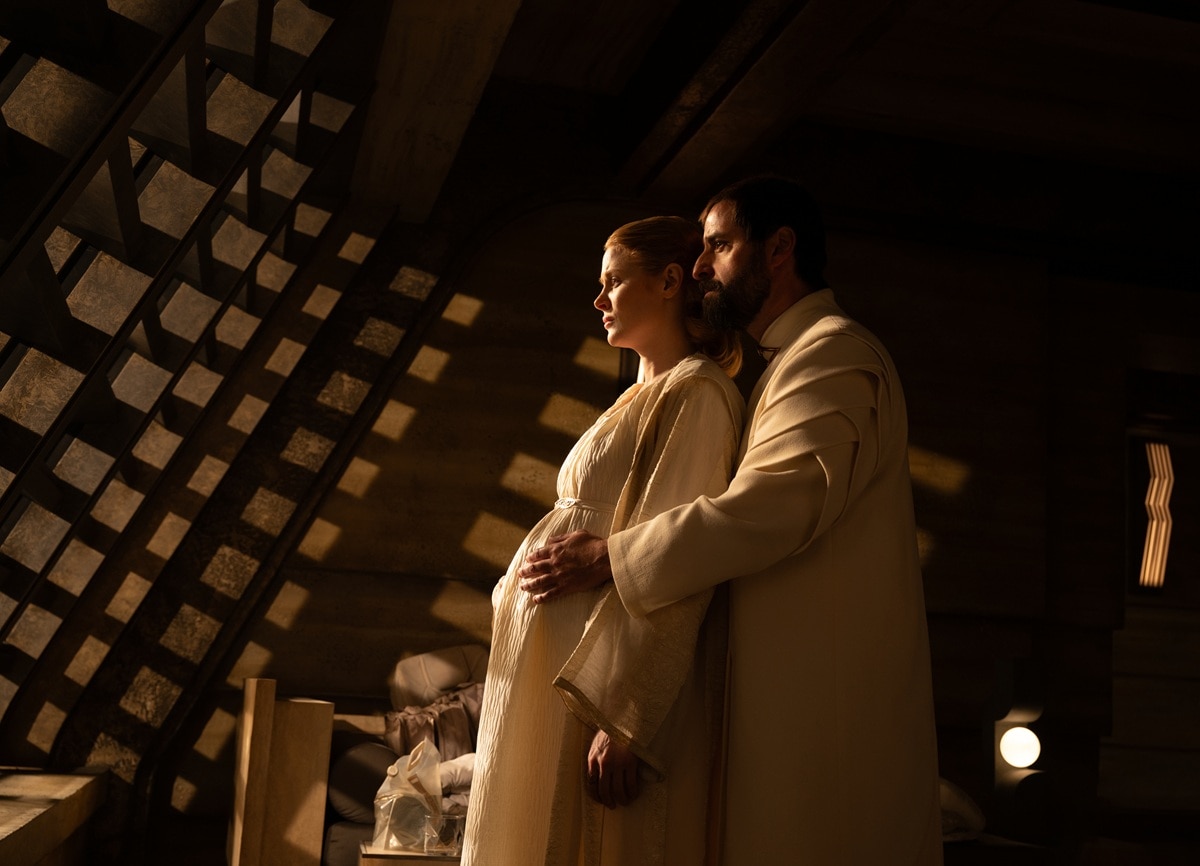
When Kara’s father tells her, “You are your mother’s life. My life,” before asking her to live on for them, it reframes everything that follows. Survival isn’t just about making it through unimaginable loss. It’s about carrying forward the people who no longer can.
Her mother also leaves her with one final lesson: “It doesn’t mean you can’t be tough. It doesn’t mean you always have to be nice. Just be good.”
Those two moments lingered with me long after the credits rolled. Her father tells her to live. Her mother tells her how.
Live.
Be good.
I lost my father years ago, and there are still moments when my first instinct is, Bố should be here for this. A family dinner. Meeting his grandsons. A milestone I’d want to tell him about.
Grief has a way of reminding us of who’s missing. But over time, I’ve realized it also reminds us of what remains. The lessons the people we’ve lost have taught us. The values they left behind. The ways they continue shaping us long after they’re gone.
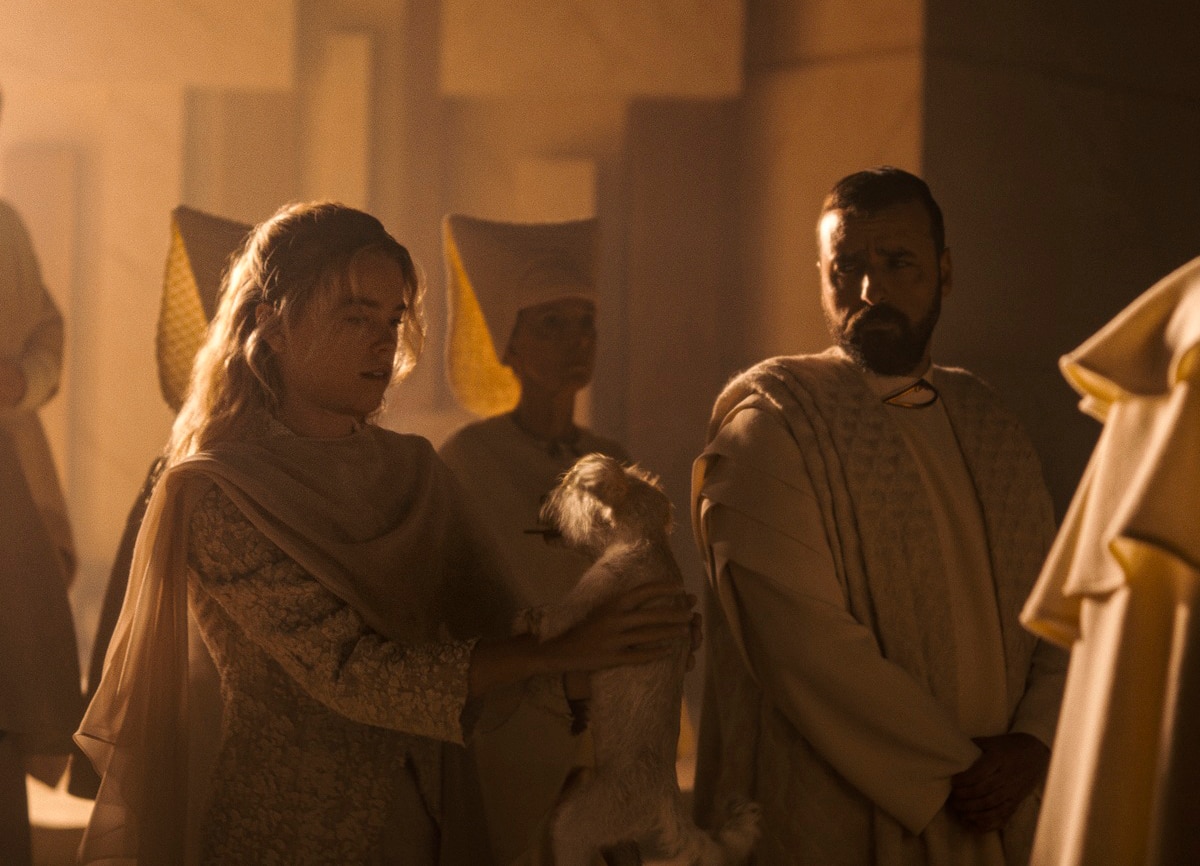
Watching Kara carry her parents’ final words with her made me think about that. Maybe one of the quiet truths about grief is that we don’t only carry those we have lost. We carry what they left us.
Legacy isn’t just what we inherit. It’s what we choose to pass on.
One of the things I kept wondering throughout Supergirl was why Kara kept everyone at arm’s length. The film never answers that question outright, and I don’t think it needs to. My own reading was that Kara isn’t avoiding Earth because she doesn’t care. She’s avoiding another place—and another family—to lose. After you’ve lost the place that felt like home, allowing yourself to belong somewhere new can feel like its own kind of risk.
Clark embraces Earth because it’s the only home he’s ever known. Kara hesitates because she remembers the one she lost. Maybe that’s what hope looks like for her. Not unshakable optimism, but the quiet decision to risk connection again, even when loss has taught you how painful connection can be.
But let’s get back to the message Kara’s mother gives her.
We often confuse goodness with pleasantness. We assume hope always looks like optimism. We mistake composure for resilience. Kara’s mother cuts through all of that in one single sentence. She doesn’t ask her daughter to hide her anger. She doesn’t ask her to smile through her pain. She simply asks her to be good. There’s a profound difference.

Being good asks something much harder of us. It asks us to choose compassion when resentment would be easier. To choose grace when anger feels more justified. To refuse to let grief decide who we become. Kara isn’t always nice, but that doesn’t diminish her goodness. If anything, it makes that goodness more meaningful because it isn’t effortless.
That idea echoes throughout her relationship with Ruthye. Kara initially insists she can’t help her. She keeps trying to maintain the distance she’s built around herself. But little by little, she lets Ruthye in. It’s not because her grief has disappeared or because she’s suddenly become more like Clark. It’s because she chooses connection over isolation.
Kara recognizes something in Ruthye that few others could. She understands the anger that follows unimaginable loss. She understands the temptation to let grief become the only thing that defines you. Rather than simply helping Ruthye on her journey, Kara quietly tries to protect something even more fragile—the person Ruthye will become after all of this is over.
It made me realize that, over time, grief begins asking a different question. At first, we’re only trying to survive it ourselves. Eventually, we start wondering how to keep someone else from carrying what we carried.
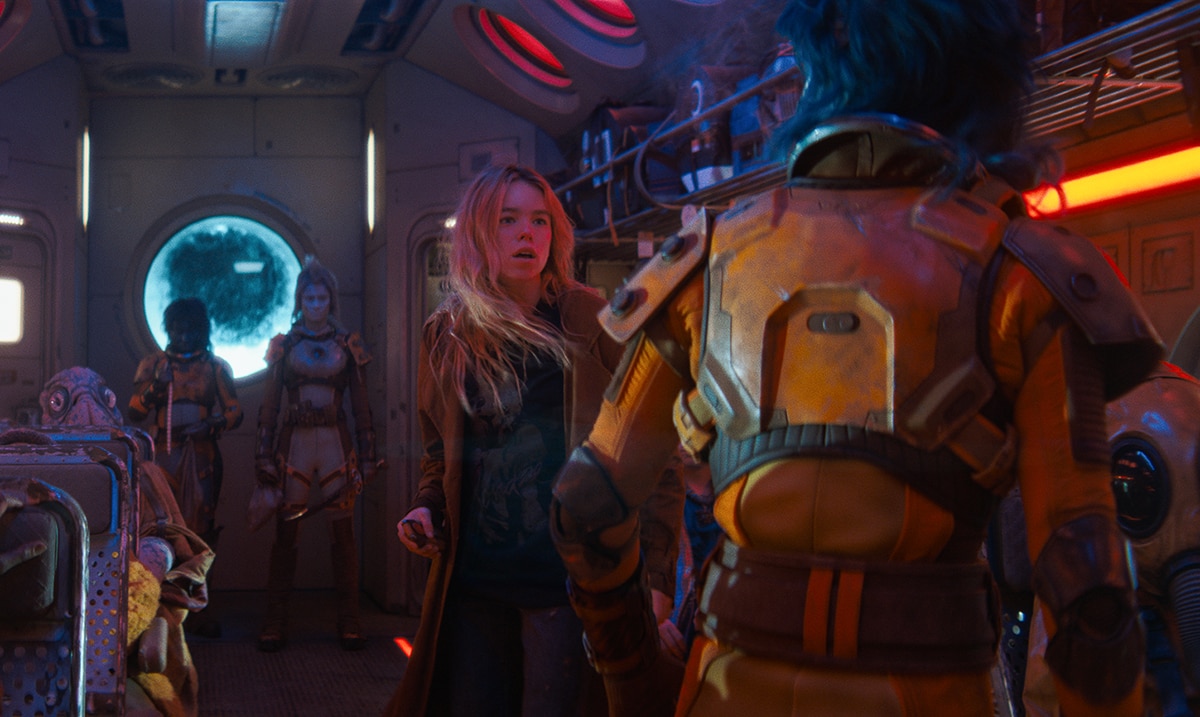
Without even realizing it, Kara passes her parents’ gifts forward. She encourages Ruthye to keep living. She shows her how to remain good. What stayed with me after watching Supergirl wasn’t the promise that grief would eventually disappear. It was the reminder that it doesn’t have to disappear for goodness to remain.
For years, people have asked why Kara isn’t more like Clark. Watching Supergirl, I realized she’d never needed to be. Clark teaches us what hope can inspire. Kara reminds us what hope has to survive.
In the end, the greatest gift her parents left her wasn’t simply the strength to endure. It was the courage to keep living. To keep connecting. To keep choosing to be good.
Perhaps that’s how we honor the people we’ve lost—not by becoming who we were before our grief, but by carrying forward the best of what they gave us. Every time Kara chooses connection over isolation, she’s doing exactly that. Every time I catch myself thinking, Bố should be here for this, I realize I’m carrying my father’s lessons with me, too.
Supergirl, directed by Craig Gillespie and starring Milly Alcock and Jason Momoa, is now in theaters. Get your tickets today!
Christine Dinh has spent her career telling stories about heroes. She’s most interested in what they teach us about ourselves.
NOTE: The views and opinions expressed in this feature are solely those of Christine Dinh and do not necessarily reflect those of DC or Warner Bros. Discovery, nor should they be read as confirmation or denial of future DC plans.