Welcome back! I’m Alex Jaffe, better known in the halls of DC fandom as HubCityQuestion, where every day, I present you with the answers to questions that you ask in the DC Official Discord community. And every month, I bring some of those answers to the wider public here in this column. Take a load off as you read what I have for you this month.
dracula asks:
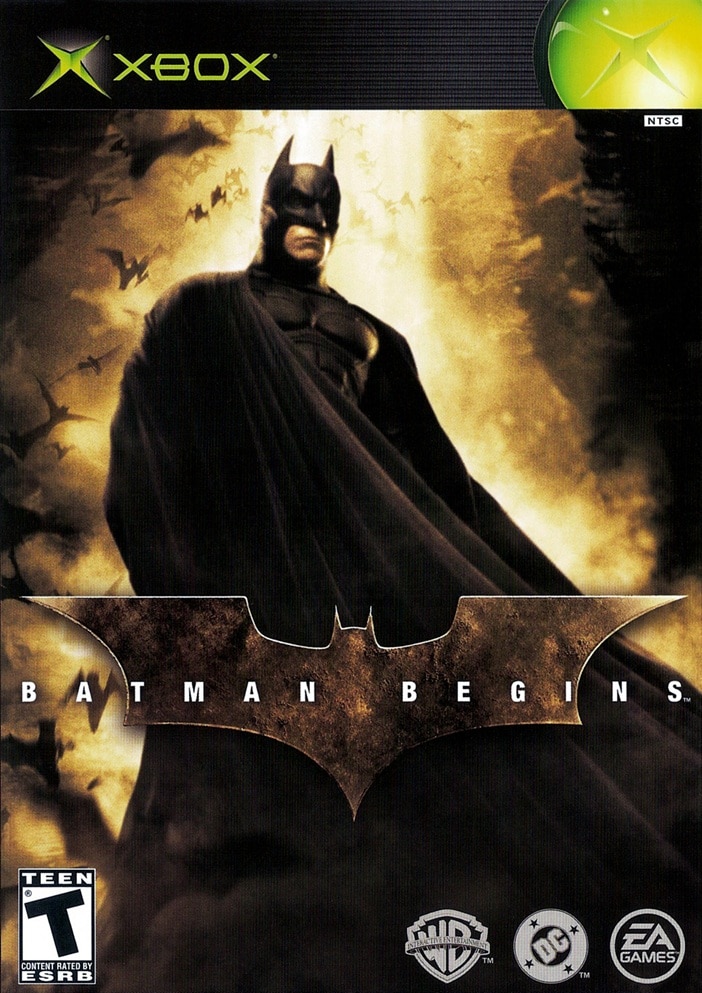
I'm playing Batman Begins on Xbox right now and crawling through vents, realizing how frequently this mechanic is used in Batman video games. Has Batman ever notably utilized the ventilation systems in buildings to navigate in any comic books?
Vent-crawling has gone on from Batman Begins to be a staple of later stealth-based Batman video games, such as the Arkham Asylum franchise, but it’s never been something he’s particularly been known for in the comics. You can chalk this up to the game developers adapting the stealth elements of Batman by looking to previous entries in the genre for inspiration, such as the Metal Gear Solid and Deus Ex video games.
However, that’s not to say the trend originates in video games. It’s likely that these games themselves were drawing on earlier examples in popular action films which depicted a hero crawling through vents to get around a space without being seen, such as in Die Hard or Alien.
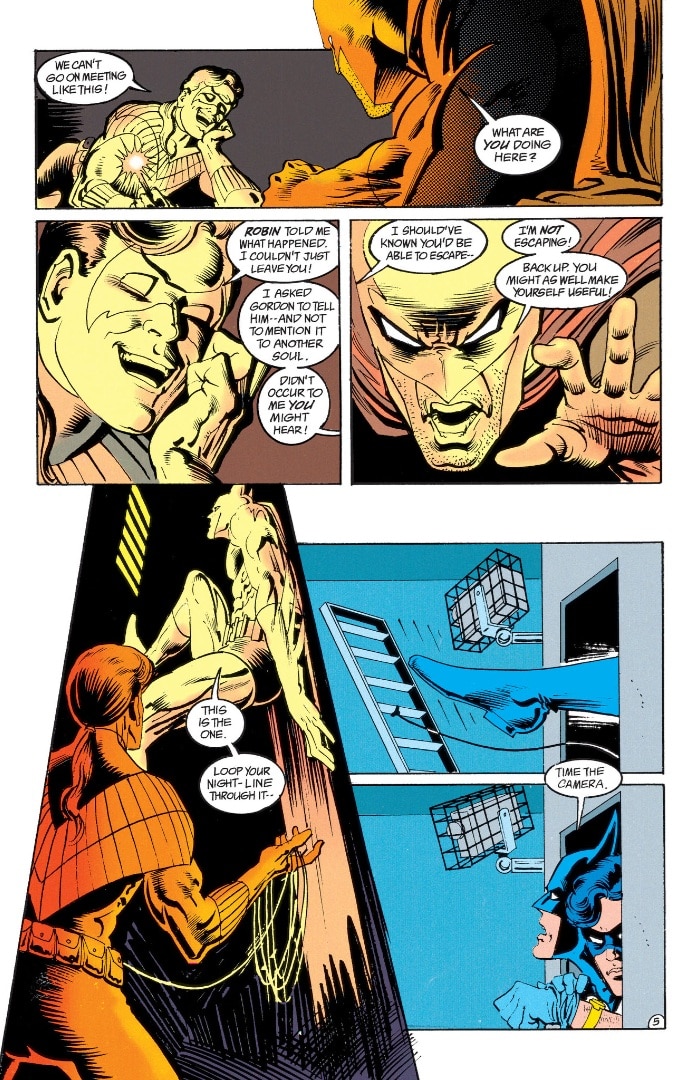
Which, funnily enough, brings us back around to Batman. After all, just as these video games do not exist within a self-referential bubble, neither does Batman. Maybe the most notable story featuring Batman doing his best John McClane impression is “The Last Arkham,” the first storyline in 1992’s Batman: Shadow of the Bat, where an involuntarily committed Batman is forced to break out of Arkham Asylum. Could this story have been the inspiration behind the mechanic’s inclusion in the original Arkham Asylum?
“Last Arkham” is the first appearance of Gotham’s own serial killer Mr. Zsasz, after all, who also happens to be one of the first enemies you encounter in the game. There’s also vent-crawling by both Batman and Dick Grayson’s Nightwing, who meet unexpectedly as they’re using Arkham’s vents to surreptitiously get around. But as you’ve pointed out here, the vent-crawling mechanic in Batman games predates the Arkham franchise. And it wasn’t the only element that Arkham developers would borrow from the oft-forgotten Batman Begins tie-in game, as the earlier game implemented a similar artificial intelligence system which encouraged the player to spook their enemies from the shadows. Academically, I’d hypothesize that Arkham and Batman Begins were both adapting the mechanic from earlier, established titles with stealth gameplay features, and that those games in turn were borrowing ideas from earlier action films—as was, on occasion, the Batman comics themselves.
Elijah asks:
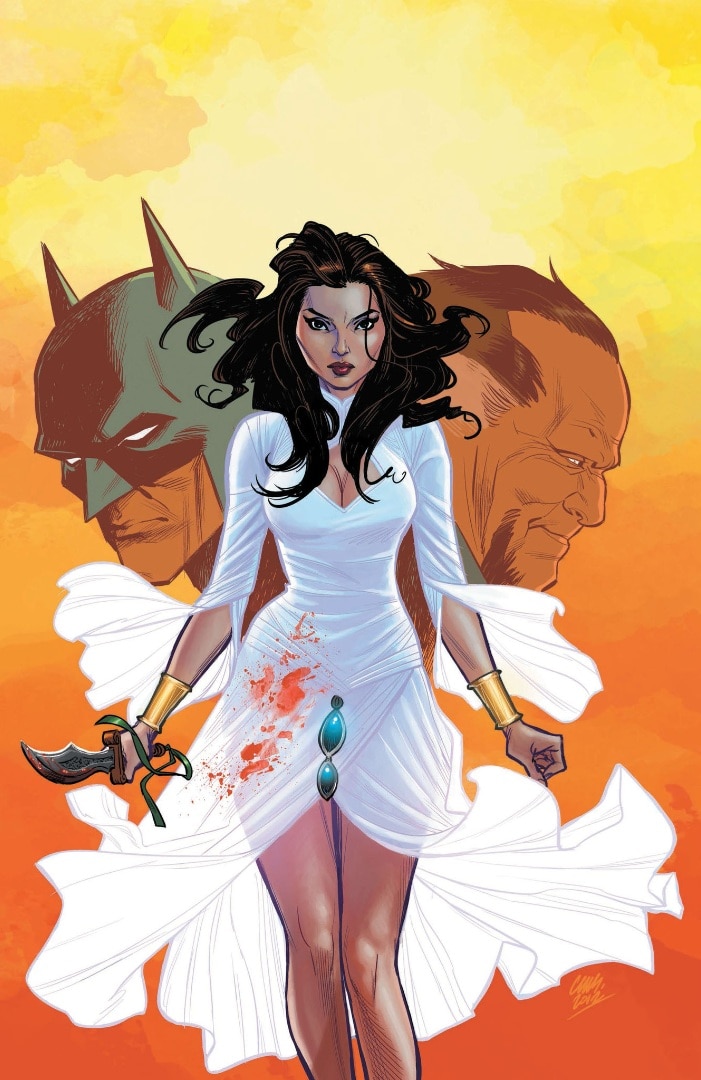
Why does Talia continue to follow Ra's al Ghul despite her disagreements with some aspects of his ideology and his methods? Is she inherently an evil person, or is she also misguided like her father?
I certainly wouldn't describe her as inherently evil, no. Comics have had her leave her father over their ideological disagreements on multiple occasions, but they've often been undone by something or the other. She left her father's operations before Crisis on Infinite Earths, but the resetting of continuity undid that. She then left Ra's again during the President Luthor era, until she was brainwashed to join her long-lost sister Nyssa when Nyssa repeatedly killed her and resurrected her in a Lazarus Pit.
After that, Ra's was dead for some time, and when he came back, we saw Talia raising Damian to aid in his resurrection without realizing Ra's intended to inhabit Damian's body. Her motivation for that at the time was unclear, but after the whole brainwashing incident, her characterization has been less stable. Under Morrison's Batman run, she would become an outright villain for some time, before more recent comics have begun reestablishing her sympathetic motives while also showing her continuing to operate independently from her father.
Red Hood: The Lost Days gives us one some interesting context to this, wherein Talia, after defying her father by placing Jason Todd into a Lazarus Pit, is more or less put into house arrest by her father as punishment.
In general, Talia can be said to stay by her father's side out of a mix of complicated motivations, including love for the man he was, the hope of redeeming him, but also the threat of being pursued by her father's men if she leaves, and finally, the lingering effects of a Lazarus Pit rinse cycle. Talia's a complicated woman.
MP ANACRA asks:
How many versions of backstory has Donna Troy had over the years?
Okay. Okay! Okay, okay, okay. Okay. I’m going to run us through all of this once, if only so that if I am ever asked this again, I can just link back to this article. Let’s count the number of backstories Donna Troy has had, in mainstream continuity, discounting Elseworlds and adaptive media.
The first thing you need to know is that, technically speaking, Donna Troy is not the first Wonder Girl. That would be Diana of Themyscira herself, whose adventures as a young Wonder Girl first began in 1947’s Wonder Woman #23 and frequently appeared through her first twenty years of publication. This includes Robert Kanigher’s “Impossible Tales,” where the adult Wonder Woman would team up with her own younger selves, Wonder Girl and Wonder Tot. In this sense, Diana’s first—and, really, only—true sidekick within the Pre-Crisis run of Wonder Woman comics was Diana herself.
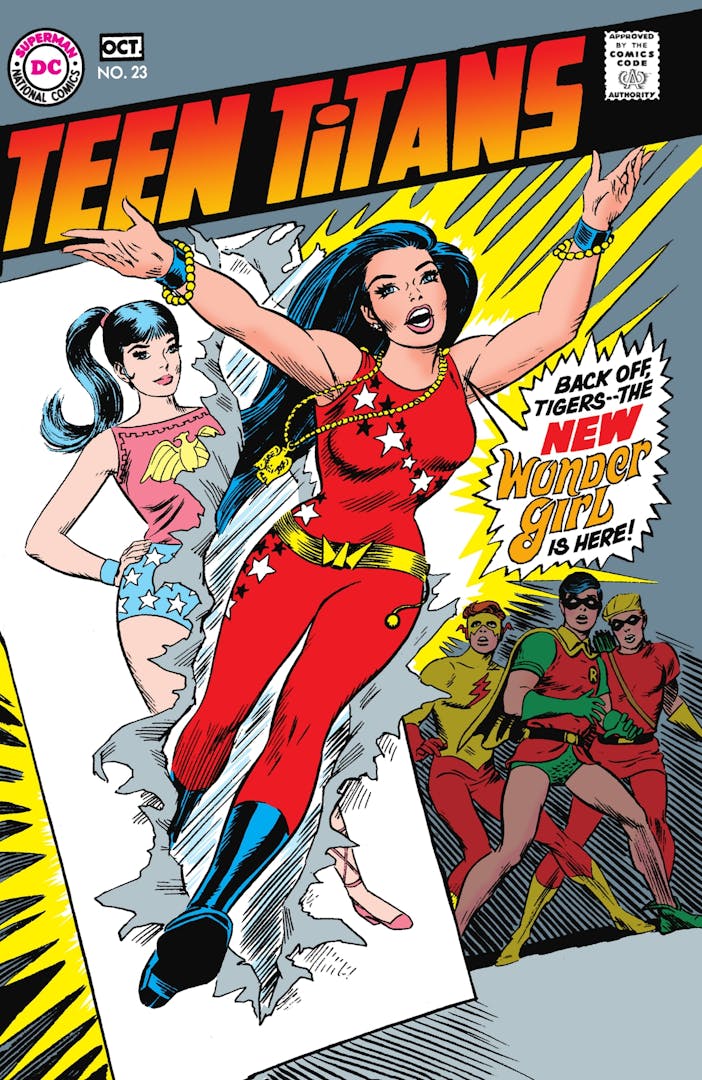
Cut to 1965’s Showcase #59, one of the precursor issues to the first Teen Titans series establishing the team of young heroes. Here, the team recruits Wonder Girl to join their merry band. At first, this Wonder Girl was presented for the first time in the present day outside of Kanigher’s non-canonical “Impossible Tales” as Diana’s sister. However, when Diana was disconnected from her Amazonian powers in the concurrent Wonder Woman run, an explanation was needed for why Wonder Girl still had hers in Teen Titans.
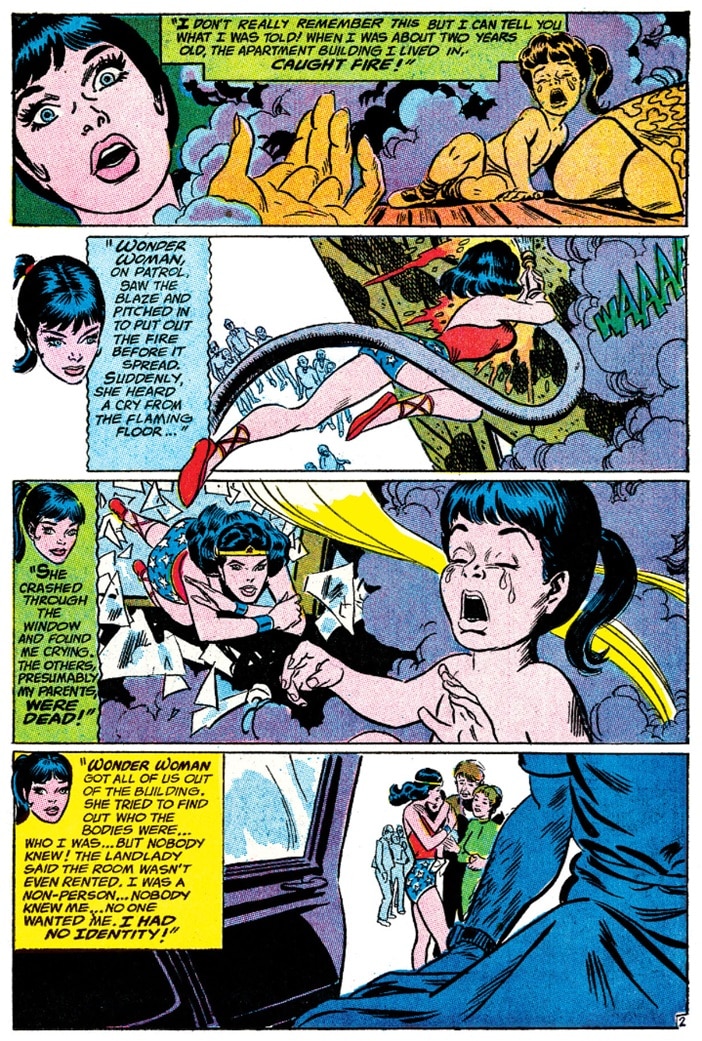
This would be explored in 1969’s Teen Titans #22, where she adopts the name Donna Troy, and we get her first detailed backstory as an individual character. Here, we learn that Donna was a human child rescued from an apartment fire by Wonder Woman as an infant. Unable to locate her family, Donna was raised on Themyscira as Wonder Woman’s sister and granted powers like Wonder Woman’s with Amazonian science. That’s her first origin, or second if you count the premise of Diana and Donna being sisters before the additional context…or third, if you count the Proto-Wonder Girl of Young Diana.
Donna’s origins would be explored further in 1984’s The New Teen Titans #38, where we’re given additional context for the fire and Donna’s birth parents. Here we learn that Donna was given up by an unwed teen mother for adoption, and after a series of misfortunes, wound up in a child trafficking ring until her traffickers were caught in the fire where Diana found her. As long as we’re counting, I’d say not so much a new origin as further details for the previous one.
Following Crisis on Infinite Earths (boy, do I say that a lot), there was a need for another update of Donna’s story. With Wonder Woman’s career starting fresh, and the Teen Titans continuing more or less apace, the comics continuity found itself in a strange position where Donna Troy had been operating as a hero for longer than Wonder Woman.
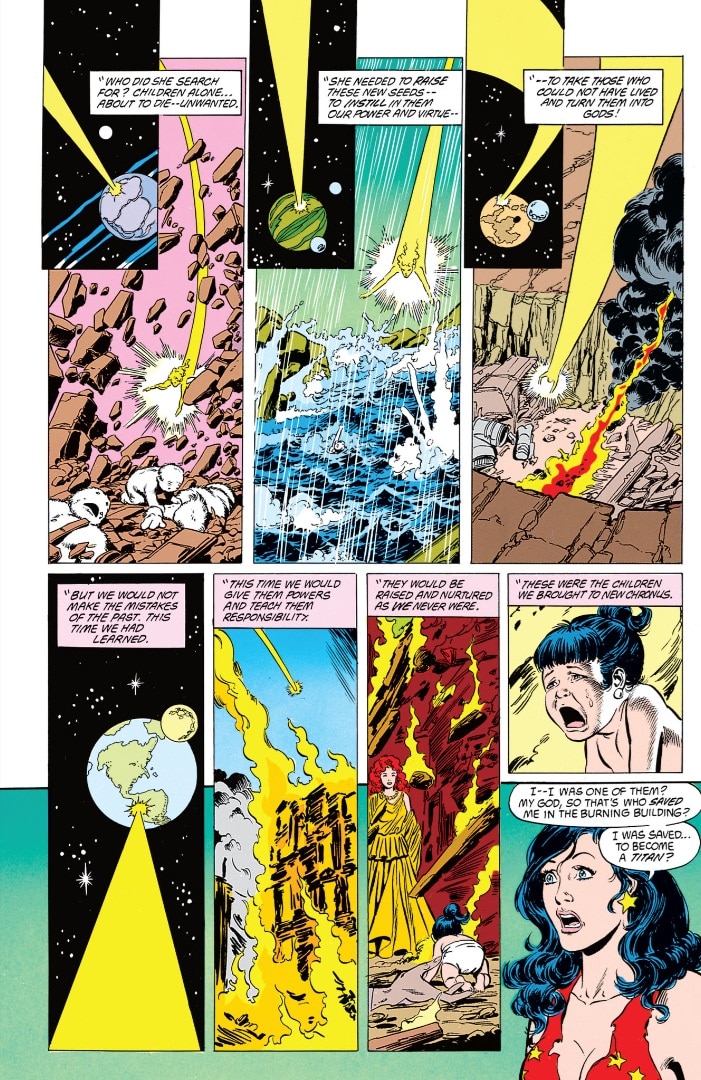
She got the updated origin after a few years of uncertainty in 1988’s The New Titans #50-54, where we learn Donna Troy was rescued from the fire not by Wonder Woman, but the mythological Titan Rhea, who raised her among a select group of orphans from throughout the cosmos, had her memories of her upbringing buried, and placed her back on her homeworld to one day represent the Titans of Myth in their rematch with the Olympian Gods. That’s your second, third, or fourth origin.
Following 1994’s Zero Hour, Wonder Woman’s history as one of the more experienced modern superheroes was restored, allowing for another update of Donna’s history to tie her back into Themysciran lore. In 1998’s Wonder Woman #131-135, we learn that Donna was created as a magical duplicate of a young Diana on Themyscira by the Amazonian sorceress Magala to be her playmate, but was kidnapped by Dark Angel, an enemy of Hippolyta, thinking she was the princess. Dark Angel forced Donna to experience an endless continuum of lives filled with pain and suffering until she was restored by the memories of her true self held by her teammates on the Titans. Whether you want to count that Magala origin and the memory restoration as one or two origins is up to you. So, now we’re up to between three and six.
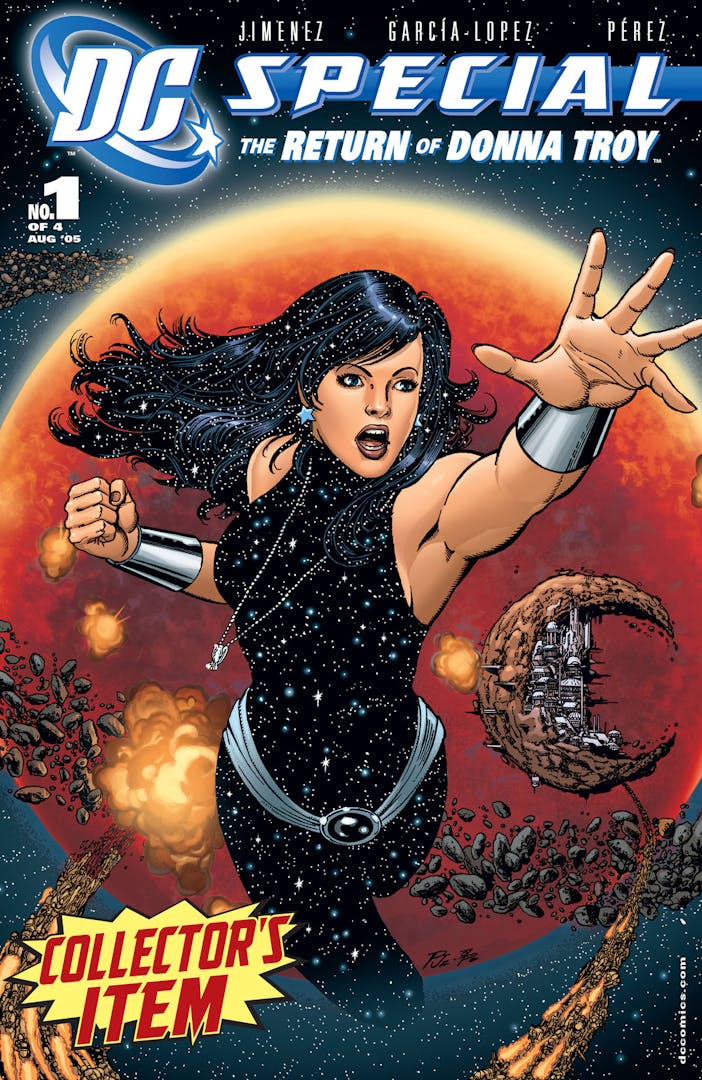
Given these disparate accounts of her own history, Donna received a meta-origin following her death and rebirth in 2005’s DC Special: The Return of Donna Troy, establishing her as a counterpart to the Harbinger from Crisis on Infinite Earths as a gestalt entity of all her selves from across the multiverse, many variants of which we had never seen until this point. You could count this as one collective additional origin, or an infinite number of individual origins.
After sitting out most of The New 52, Donna was reintroduced with a new origin near the end of the 2011 Wonder Woman series, with the Amazonian sorceress Derinoe having created her to take Wonder Woman’s position as heir to Themyscira. Shortly after, in the 2016 Titans series, Donna was shown to have been given false memories of her Pre-Flashpoint past by Derinoe’s splinter sect of Amazon witches, revealing that she had always been designed to usurp Diana.
Finally, at least for now, the usurper origin was recently undone by Phil Jimenez in Titans Annual 2025, mostly restoring her initial Pre-Crisis origin of being rescued from a fire by Wonder Woman as an infant, with a few more minor contextual updates, such as the identity of her deceased birth father, who left her mother after coming to terms with the fact that he was gay. And that’s where we stand.
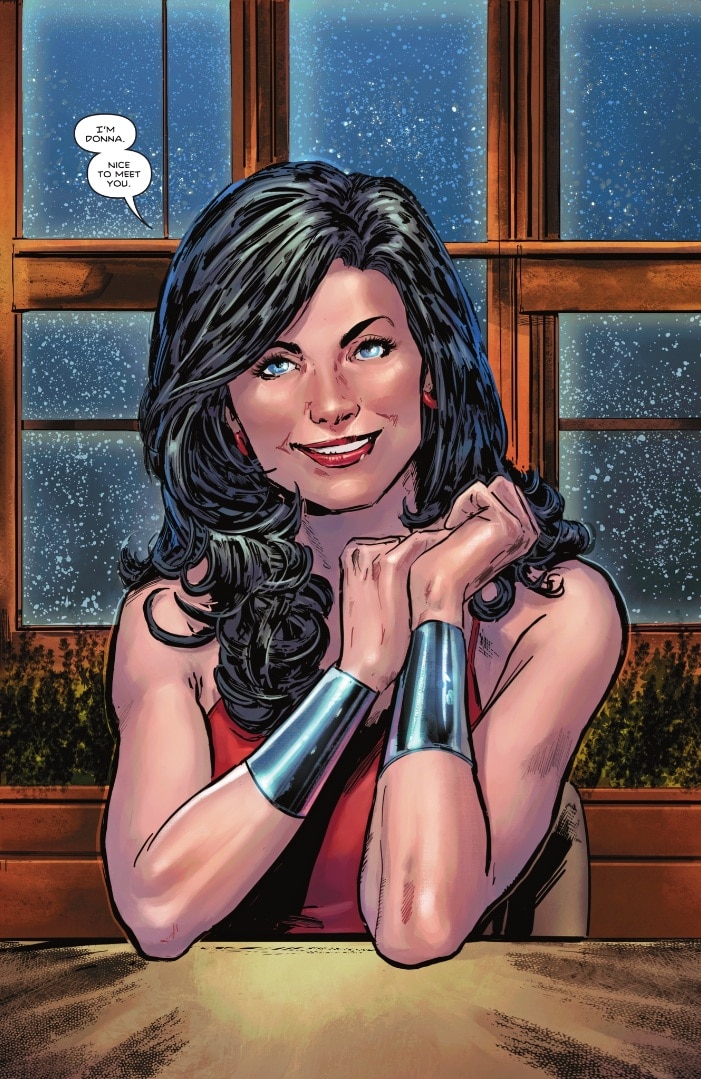
So, to answer your initial question numerically, Donna Troy has had approximately somewhere between five and infinity backstories.
Well, I’m afraid we’re well over time here. Turns out when you ask, “Who is Donna Troy?,” you better be prepared with a comfortable seat and a snack. If I’ve left you wanting more, you can catch me for more answers every day in our Discord community. All you need to do is ASK…THE QUESTION.
Alex Jaffe is the author of our monthly "Ask the Question" column and writes about TV, movies, comics and superhero history for DC.com. Follow him on Bluesky at @AlexJaffe and find him in the DC Official Discord server as HubCityQuestion.
NOTE: The views and opinions expressed in this feature are solely those of Alex Jaffe and do not necessarily reflect those of DC or Warner Bros. Discovery, nor should they be read as confirmation or denial of future DC plans.