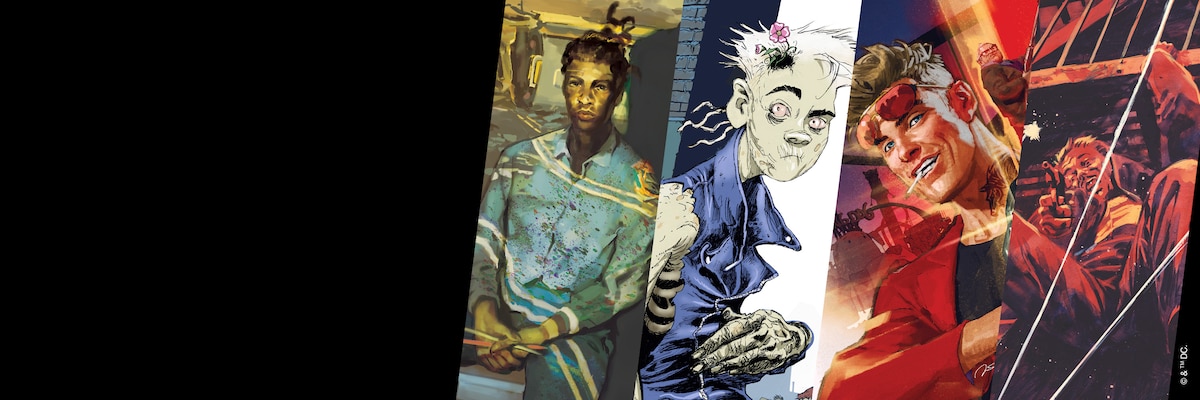
It’s 2026 and Vertigo Comics are back on the shelves! For those out of the loop, DC Vertigo is a storied and much beloved arm of DC known for mature and usually entirely original titles set apart from the DC Universe. It’s arguably the most well-known of DC’s “imprints”—a term used in publishing to indicate a special grouping of titles that are outside the scope of the main brand. Some of the most interesting titles in DC’s history have come out of imprints. So, as the lights are turned back on in the DC Vertigo factory, now’s a good time to revisit some of DC’s imprinted past.
The 1990s
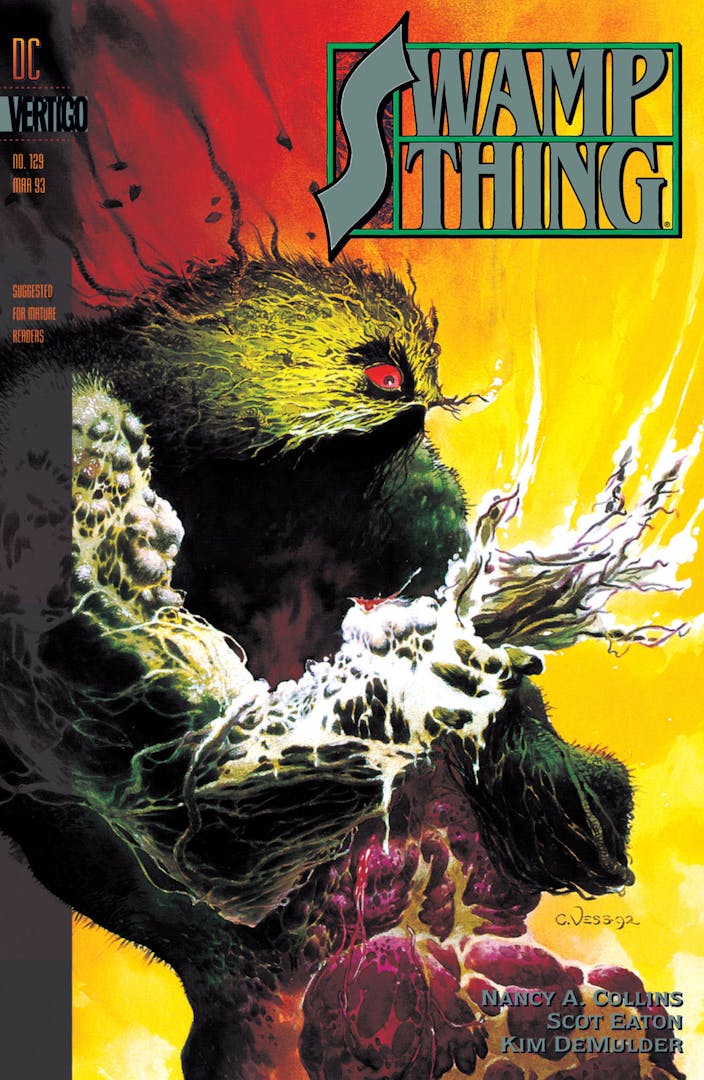
As we recognize the concept today, DC started branding their imprints in the late 1980s and early 1990s, based on the success of some experimental mature-rated titles outside the purview of the Comics Code Authority such as Swamp Thing, Animal Man and Shade, The Changing Man. The first of these was “Piranha Press,” a home at DC for the alternative comics scene, from 1989-1994. Kyle Baker’s Why I Hate Saturn and Dave Loupare’s Beautiful Stories for Ugly Children were some early successes.
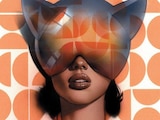
Vertigo Comics, launching in 1993 as a designated home for titles like Swamp Thing and its successors, was a place where DC characters and concepts could receive a more sophisticated treatment than was otherwise safe for all ages in the main line.
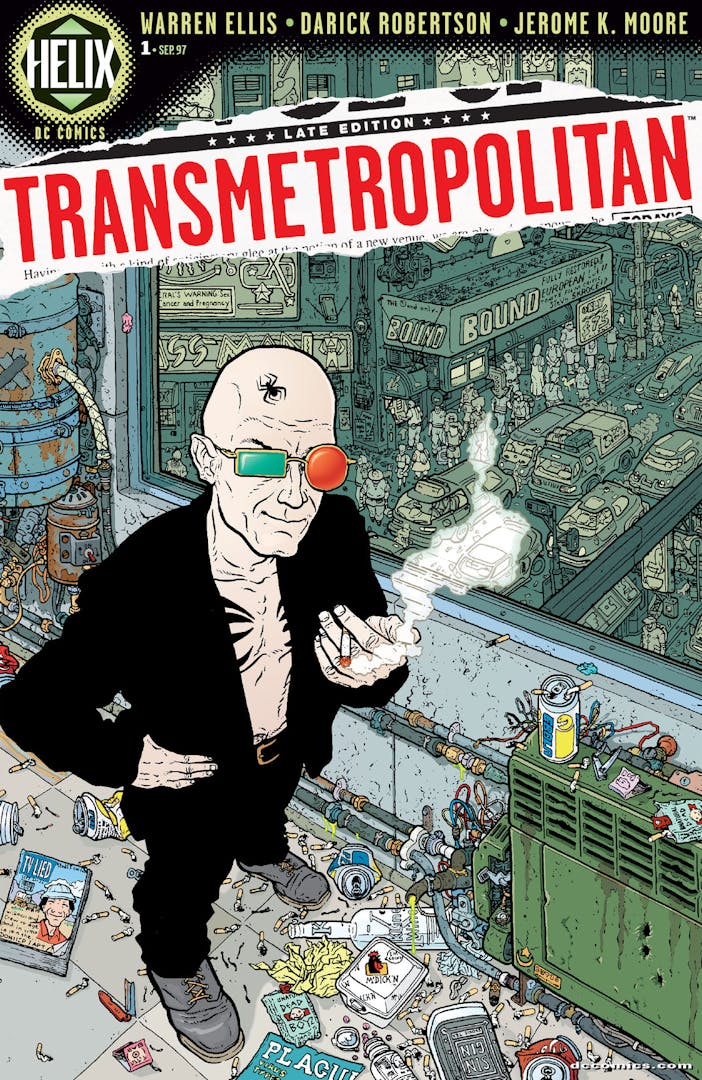
Alongside Vertigo launched Paradox Press, an imprint for original graphic novels outside the monthly publication format like Road to Perdition and A History of Violence. Helix followed shortly afterwards and lasted from 1996-1998, with a focus on the cyberpunk genre and giving us Warren Ellis and Darick Robertson’s Transmetropolitan. Helix, Paradox and Piranha would all eventually be folded into the purview of the indomitable Vertigo, which has since become just as known for its original creator-driven comics as its more adult-oriented interpretations of DC characters.
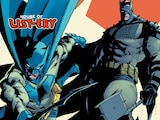
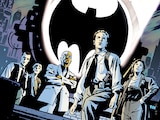
Interesting things were happening closer to the superhero set in ’90s imprints as well. In 1989, you had the establishment of DC’s Elseworlds (an imprint that was also recently brought back to life), presenting familiar characters in brand new contexts, like the Victorian-inspired Gotham by Gaslight and the apocalyptic future reckoning of Kingdom Come. In a partnership with MLJ, known a bit better to the world as Archie Comics, DC momentarily handled their stable of superhero characters in an imprint they called Impact, used to test some of their rising new talent before working their way to bigger name titles. And Milestone Comics, founded by some of the industry’s leading Black luminaries as a place to tell stories you wouldn’t necessarily find under historically white-owned publishers, entered a publishing agreement with DC to give the world such heroes as Icon, Hardware and Static.
The 2000s
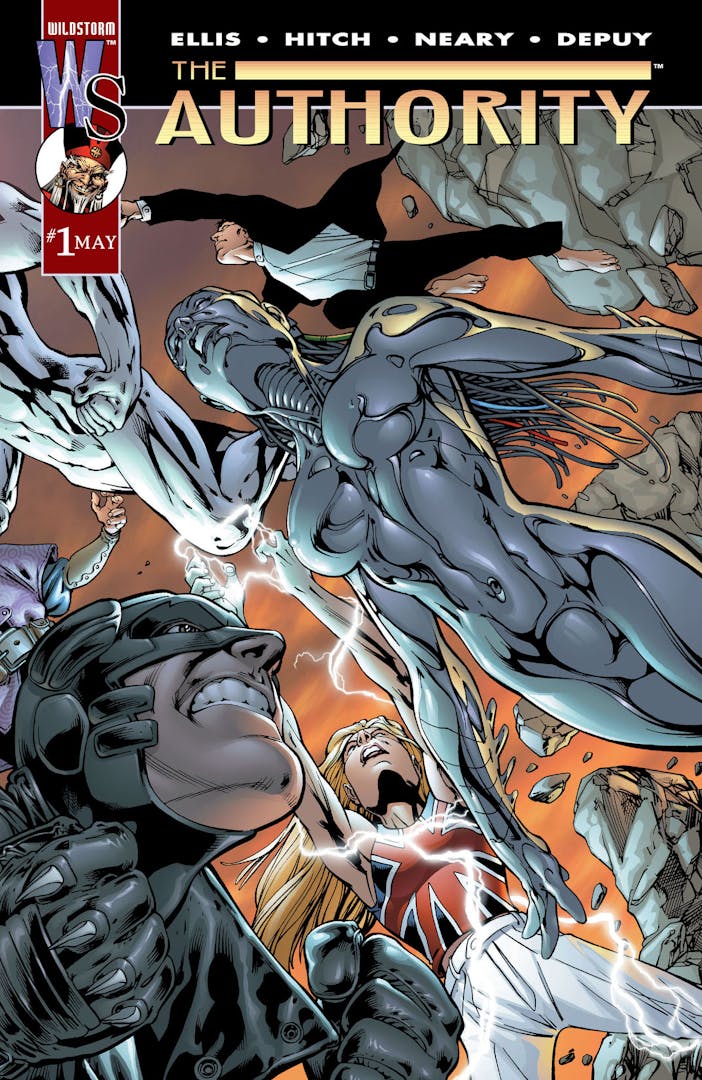
By the turn of the 21st century, comics were as deeply affected by the prevalence of the internet as they had been by the ubiquity of television fifty years before, and DC was making moves to adapt. In 1999, DC relaunched the upstart and decade-definitive WildStorm Comics as their own internal imprint, which was a unique situation because WildStorm has its own imprints! They included Alan Moore’s imprint of America’s Best Comics and WildStorm’s own creator-focused Cliffhanger imprint, both of which were also obtained by DC. The publisher also entered the experimental space of webcomics and an increasingly globalized market with their web-based Zuda Comics imprint, as well as CMX, which focused on manga. DC also took the reverse tactic of Vertigo by establishing Johnny DC, an imprint specifically aimed at comics for young readers.
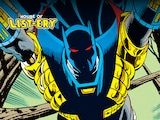
One short-lived imprint worth mentioning was DC’s All-Star series, envisioned to showcase top-level comic creators presenting definitive, standalone takes on iconic DC characters. We only got two books out of that, but each remain legendary to this day in their own right: Grant Morrison and Frank Quitely’s All-Star Superman, and Frank Miller and Jim Lee’s All-Star Batman and Robin, The Boy Wonder.
The 2010s
While the end of this decade saw a temporary shutdown of the DC Vertigo imprint, outside of that it was an exciting one for imprints over at DC.
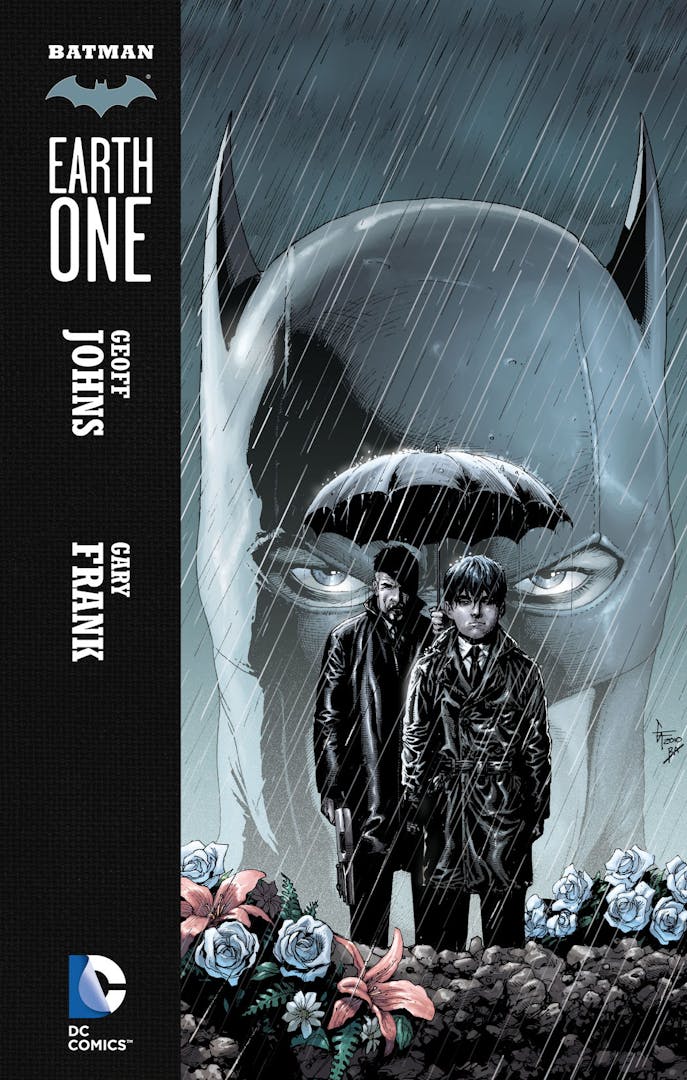
Continuing from the tradition of the All-Star books was DC’s Earth One line of original graphic novels. These were independent reimaginings of Superman, Batman, Wonder Woman, the Teen Titans and Green Lantern. If you look closely, you can find a lot of influence from Batman: Earth One in 2022’s The Batman.
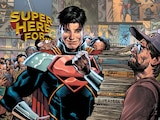
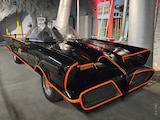
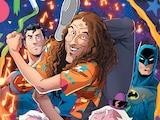
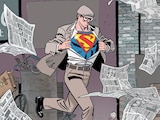
Maybe the most fun to be had in the 2010s was in DC’s Digital First line, which gave us rotating anthology titles for Superman, Batman and Wonder Woman in Adventures of Superman, Legends of the Dark Knight and Sensation Comics Featuring Wonder Woman, as well as the monster hits of Batman ’66 and the Injustice video game tie-in comics that would make stars of Tom Taylor and Bruno Redondo.
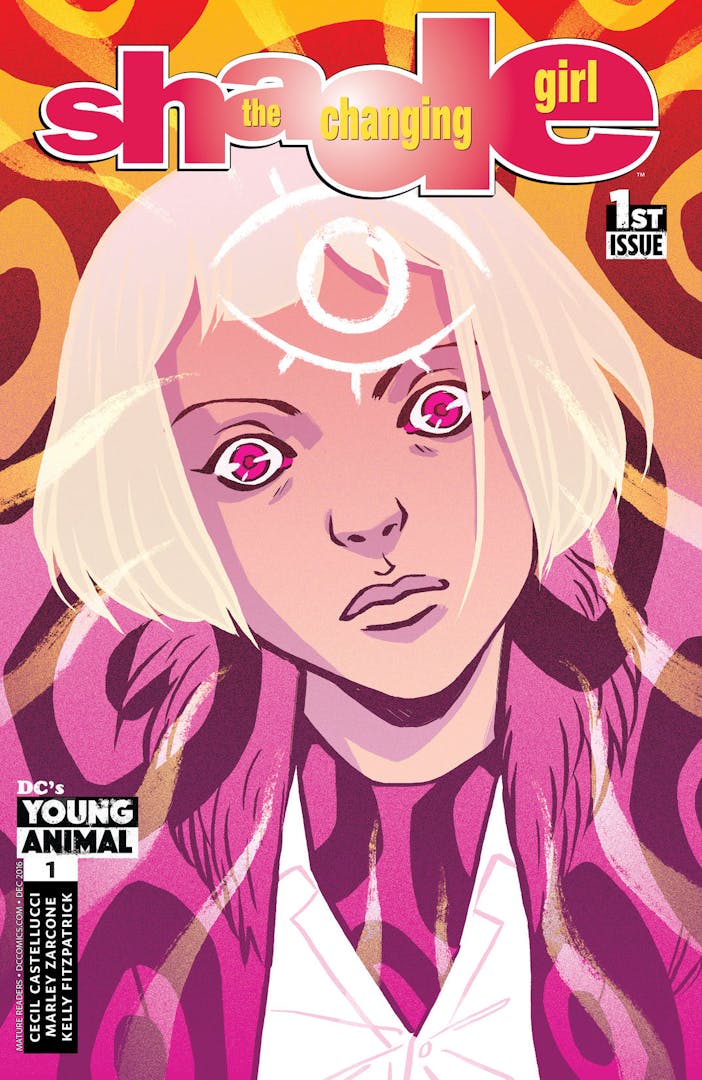
The concept of boutique “pop-up imprints” helmed by specific creators also began to take shape. The earliest of these was Gerard Way’s Young Animal, which gave us some cult favorites on the fringes of the DC Universe like Mother Panic, Shade, the Changing Girl and most enduringly, Green Lantern Jo Mullein in Far Sector. Marvel legend Brian Michael Bendis also made his mark at DC with the teen reader-focused Wonder Comics imprint, featuring his original character Naomi, a new start for Young Justice and a phenomenal Wonder Twins comic from Mark Russell and Stephen Byrne.
An extended brand partnership with Warner Bros.’ own Hanna-Barbera resulted in Hanna-Barbera Beyond, giving us such titles as a Mad Men-inspired take on The Flintstones and the award-winning Exit Stage Left: The Snagglepuss Chronicles. Both of those books were surprisingly sophisticated for comics based on cartoons, but even more mature may have been Hillhouse Comics, the pop-up horror imprint led by Locke & Key and Black Phone creator Joe Hill. Among the books it brought us were two Hill-scripted titles—Basketful of Heads and the excellently disturbing Plunge—as well as The Low, Low Woods by Shirley Jackson Award-winning author Carmen Maria Machado.
The end of the decade also saw more focus on DC’s graphic novel lines for young adults and middle grade readers (“DC Ink” and “DC Zoom” for Those Who Remember, but not really called that now). In 2018, DC took over publication of MAD Magazine’s gang of idiots. And we also saw the founding of DC Black Label with a very similar mission statement to Vertigo’s in the spirit under which it was originally founded: a place to present the familiar DC characters under more mature and out of continuity contexts.
The 2020s
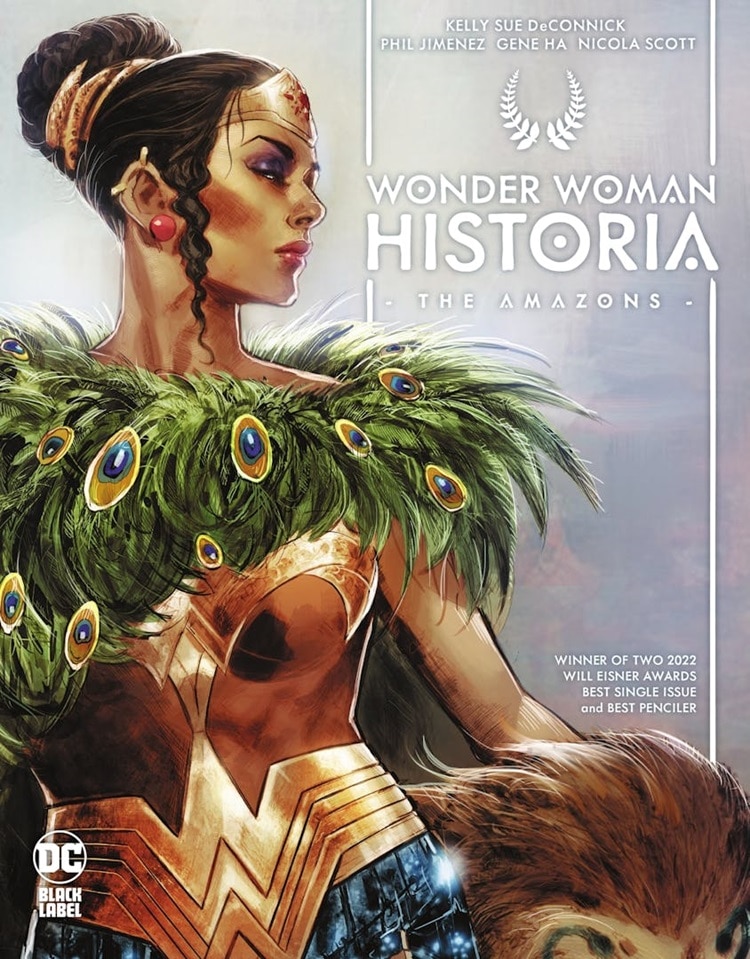
Today, DC Vertigo is being relaunched as a home for original ideas while DC Black Label continues to flourish with its focus on mature-skewing superhero stories. Meanwhile, the Absolute line thrives in the spirit of Elseworlds, All-Star and Earth One, with its own modernized, stylized visions of DC’s greatest icons.
If there’s one thing that’s always true about comics, it’s that they’re always changing. But as you may have heard, the medium is the message. As long as people keep reading comics, DC will continue to find homes to make them and meet you where you are.
Alex Jaffe is the author of our monthly "Ask the Question" column and writes about TV, movies, comics and superhero history for DC.com. Follow him on Bluesky at @AlexJaffe and find him in the DC Official Discord server as HubCityQuestion.
NOTE: The views and opinions expressed in this feature are solely those of Alex Jaffe and do not necessarily reflect those of DC or Warner Bros. Discovery, nor should they be read as confirmation or denial of future DC plans.