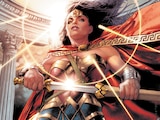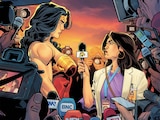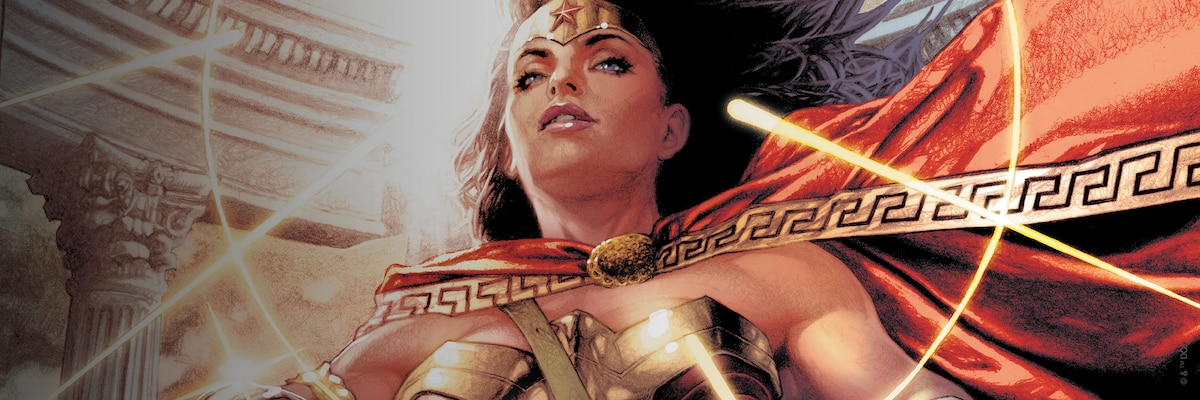
Since her debut in 1941’s All-Star Comics #8, Diana has been a beacon and an icon to not only the DC Universe, but to the feminist movement and pop culture as a whole. She may not be the first comic book heroine, but she’s arguably the most iconic, paving the way for every female superhero that has come since. To celebrate Wonder Woman’s 85th anniversary, let’s take a look at twelve moments that have defined her historic career.
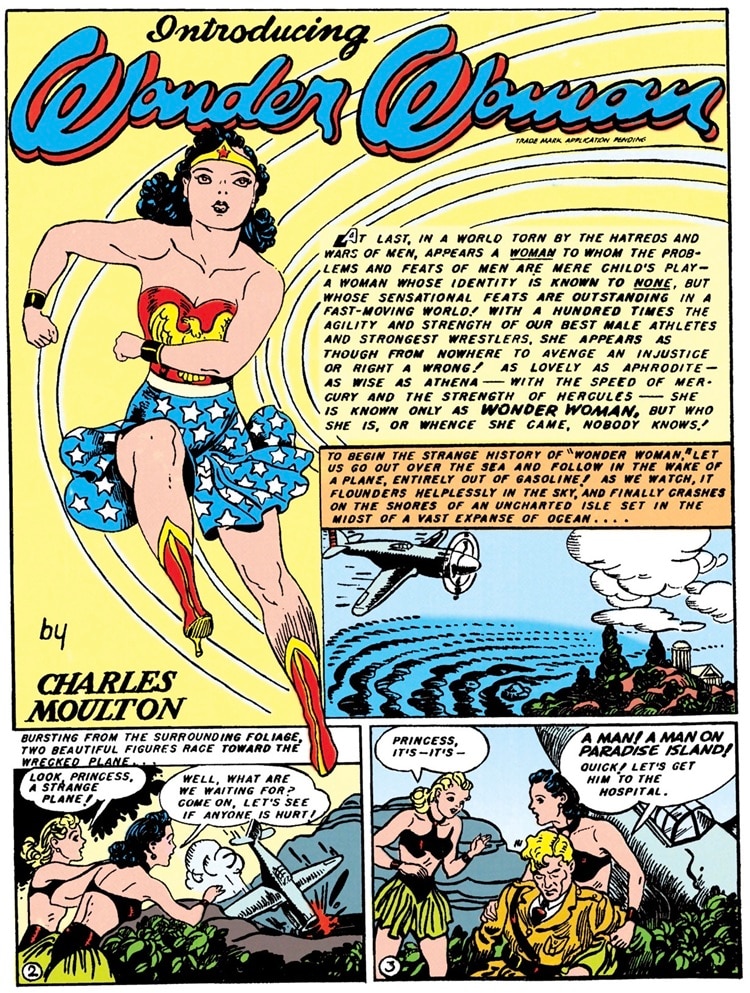

Her First Appearance
In 1941, the world met Wonder Woman in the pages of All-Star Comics #8, and it isn’t hard to see why readers fell in love with her. From the beginning, it was clear that Diana was unlike other comic book heroines, with the introduction text proclaiming that “with a hundred times the agility and strength of our best male athletes and strongest wrestlers, she appears from nowhere to avenge an injustice or right a wrong.” In a medium filled with male powerhouses, this wasn’t only progressive, it was groundbreaking.
The nine-page story by William Moulton Marston (credited as Charles Moulton) and H.G. Peter introduces Diana, Hippolyta, the Amazons, Paradise Island, the Invisible Jet and Steve Trevor. Diana spends the story learning about her Amazon heritage and trying to prove that she’s a worthy champion to go to “Man’s World,” even if it means leaving her entire life behind. From her very first story, we can see that Diana is selfless, curious, courageous and a dynamite athlete. It’s not hyperbolic to say that this simple story changed the face of not only comic books, but pop culture as a whole.
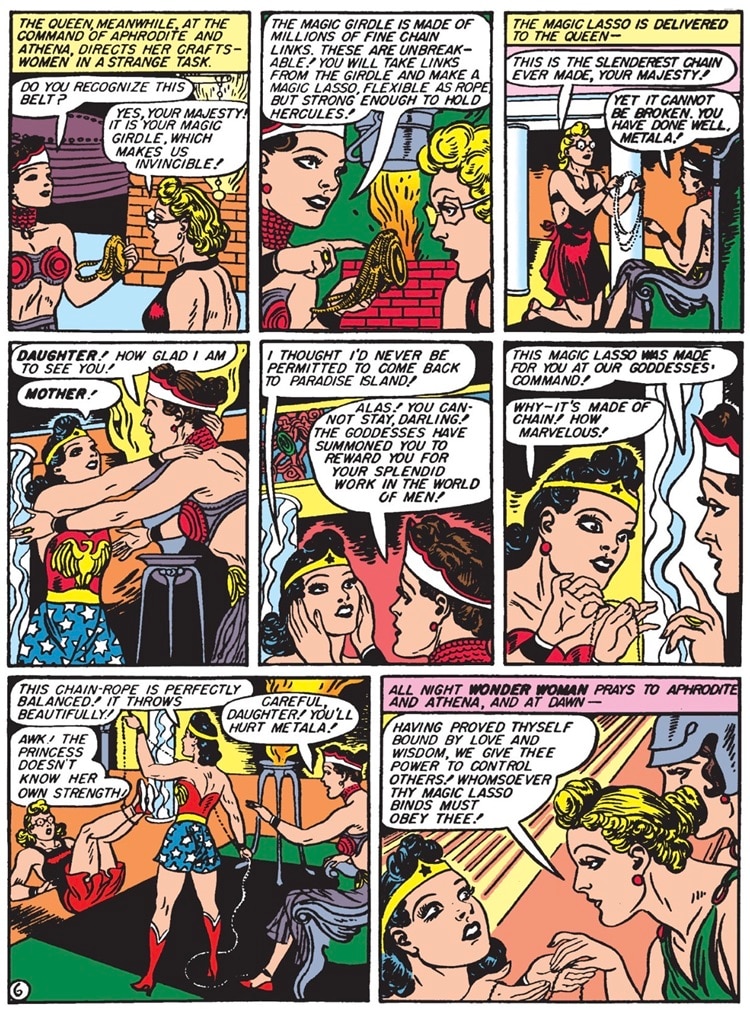

The Lasso of Truth
When you think of Wonder Woman, chances are you also picture her iconic Lasso of Truth. The lasso is such a big part of the Wonder Woman mythos that it’s hard to imagine there was a time when she was without it. And yet, it didn’t show up until 1942’s Sensation Comics #6. Diana is gifted the lasso by her mother Hippolyta, who had it forged from Aphrodite’s indestructible girdle.
The original version of the Lasso of Truth had the power to make Wonder Woman’s captives obey any command. Later stories depicted it as a lie detector, which forced anyone bound by it to tell the truth. This is fitting, as Wonder Woman’s creator William Moulton Marston developed an early version of the polygraph test. Many of Diana’s Golden Age stories also used it to explore concepts like submission and power dynamics, making it clear that Wonder Woman wouldn’t be boxed into what society thought a woman should be in 1942. It was more than an iconic weapon, it was a feminist statement, and today it’s still one of the coolest parts of Wonder Woman’s legacy.
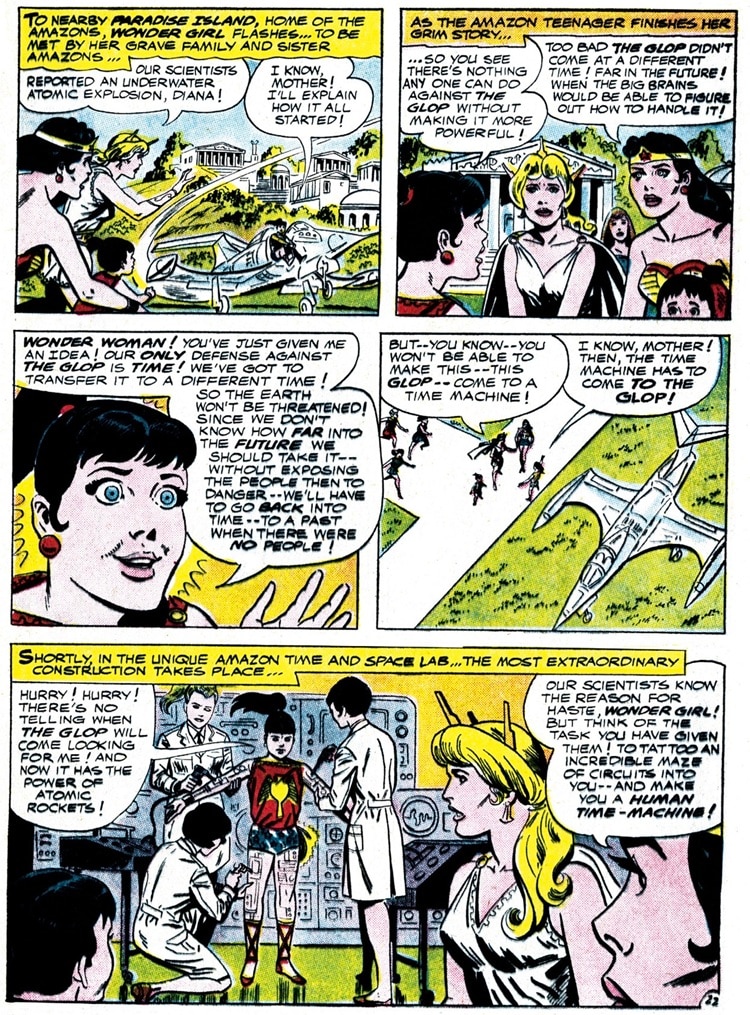

Enter Wonder Girl
Diana’s sister Donna Troy is one of the most consequential characters in the Wonder Woman saga. However, her introduction was less than conventional. 1959’s Wonder Woman #105 established that Diana was known as Wonder Girl during her teen years, similar to the way Superman operated as Superboy during his youth. Subsequent comics would have Diana go on adventures alongside her younger self in stories that were dubbed “impossible tales,” denoting something that wasn’t part of the regular continuity. Over time, Wonder Girl came to be treated as an individual separate from Diana and was firmly established as her own character when she joined the Teen Titans in 1965’s The Brave and the Bold #60.
At first, she just went by her superhero name of Wonder Girl before she was given the name “Donna Troy” in 1969’s Teen Titans #22. Her origin has famously shifted over the years. Sometimes she’s Diana’s sister who grew up on Themyscira, while other times her backstory has no ties to the Amazons. Today, Donna is not only Diana’s sister, but one of her closest friends and allies. In fact, she even briefly served as Wonder Woman during the 2006 comic relaunch. Donna also paved the way for other later Wonder Girls, such as Cassandra Sandsmark and Yara Flor.
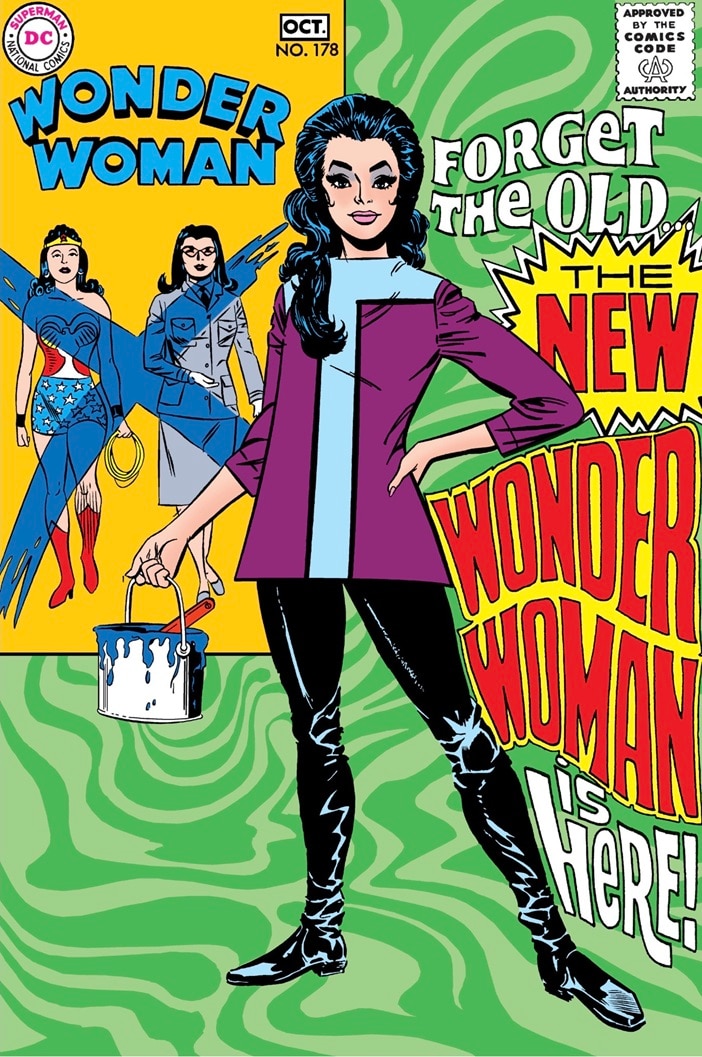

Wonder Woman Goes Mod
In 1968, the Wonder Woman comic had a big creative shakeup. Writer Dennis O’Neil and artist Mike Sekowsky were seeking to modernize the title and took inspiration from the spy craze that was dominating television and movies. Wonder Woman #178-180 features a rapid succession of status quo changes as the Amazons leave Earth for another dimension, stripping Diana of her powers. Steve Trevor is killed, leaving Wonder Woman without her longtime ally and love interest.
Diana also ditches her traditional Wonder Woman costume in favor of some fashionable mod-inspired outfits, including a white jumpsuit. With Steve no longer in the picture, Diana Prince quits her job as an army secretary to open her own mod boutique, putting her at the epicenter of fashion and sixties culture. With her powers gone, she begins training in martial arts with a blind mentor named I Ching. These changes were controversial, with some readers criticizing DC for depowering Wonder Woman and taking away her iconic costume. The experiment ended in 1973’s Wonder Woman #204 with the return of the Amazons along with Diana’s costume and powers (the Steve Trevor situation took a bit longer to untangle).
Although Wonder Woman’s mod era was polarizing, it remains a fascinating, stylish snapshot of late-1960s comics experimentation. The bold reinvention, memorable fashion and grounded spy adventure stories still hold value as a daring attempt to make Diana feel contemporary and human.
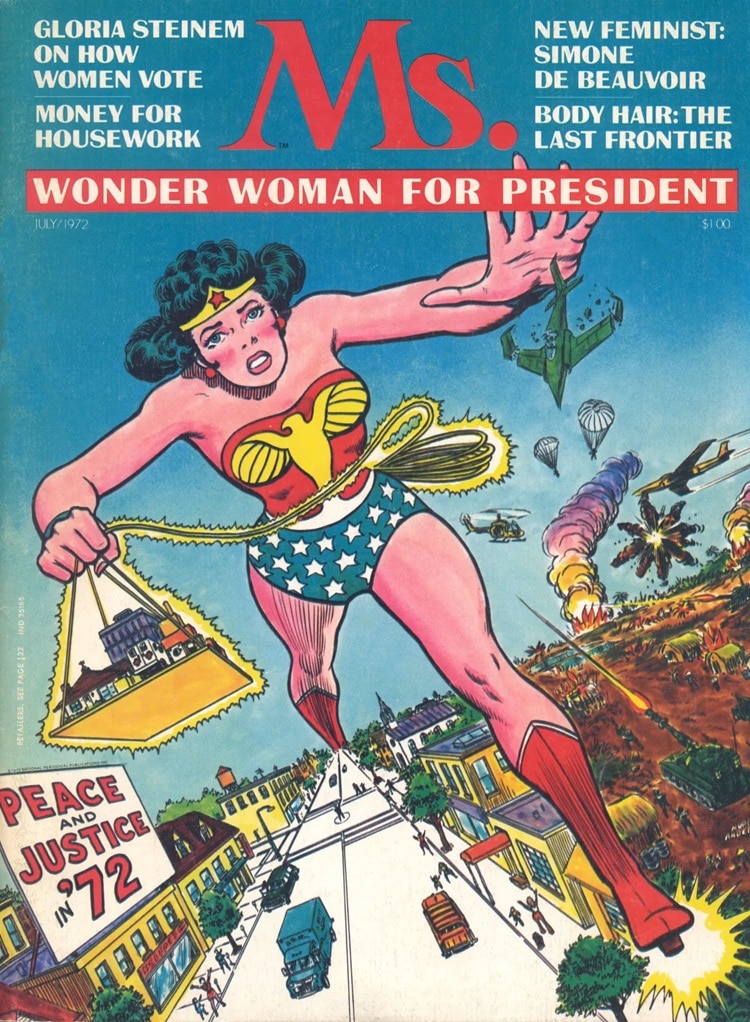

The Magazine Cover that Launched a Movement
In 1972, the feminist movement was in full swing and Wonder Woman was front and center. Journalist and activist Gloria Steinem co-founded Ms. magazine, a periodical that served as a beacon to the women’s liberation movement. While other magazines targeting female readers had cover stories about cooking, fashion and homemaking, Ms. focused on politics and equality and contained thought-provoking essays on female empowerment.
When the magazine officially launched in 1972, Wonder Woman was on the front cover in her classic costume—a deliberately provocative decision, since this was during Diana’s mod era. The Murphy Anderson illustration contained a blurb that read “Wonder Woman for President,” which was fitting as it was an election year. According to Steinem, editorial was hesitant to put a living woman on the cover because there would be unfair pressure for them to be the face of the feminist movement, so Wonder Woman emerged as an attractive—and groundbreaking—choice.
The magazine contained an editorial from Joanne Edgar which celebrated Wonder Woman as a feminist icon and critiqued the decision to depower the character in the comics. Inspired in part by the Ms. magazine cover and its reaction, DC would go on to restore Wonder Woman’s powers and return her classic costume.
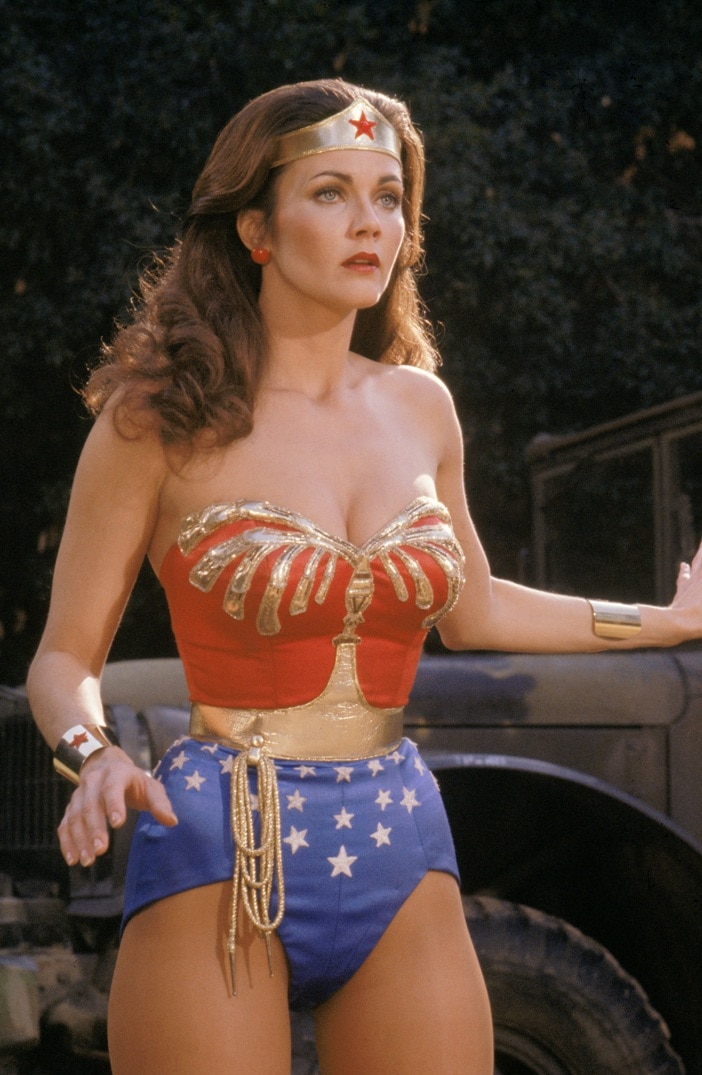

Lynda Carter Brings Wonder Woman to TV
In the evening of November 7, 1975, the world saw Lynda Carter as Wonder Woman for the very first time. To be clear, this wasn’t the first time Diana had been seen in live action. Actress Ellie Wood Walker had played Diana in a 1967 unaired pilot and Cathy Lee Crosby played a loose adaptation of the character for a 1974 TV movie. However, Carter’s Wonder Woman was a pop culture phenomenon, in part because the actress was bringing to life a truly ideal Wonder Woman for the era. Who could forget that catchy disco-infused theme song? Or Carter’s iconic transformation spin? Or the way her Wonder Woman deflected bullets with her bracelets?
The series was a ratings success, and it wasn’t long before merchandise flooded the shelves. The show would later jump from ABC to CBS, and ultimately end its run in 1979, but its impact can still be felt today. Wonder Woman was already a pop culture icon, but Carter elevated her into something more. Her combination of strength, glamour and warmth made Diana an aspirational symbol of female power during the 1970s, earned Wonder Woman a new generation of fans and shaped how the character would be seen in the future.
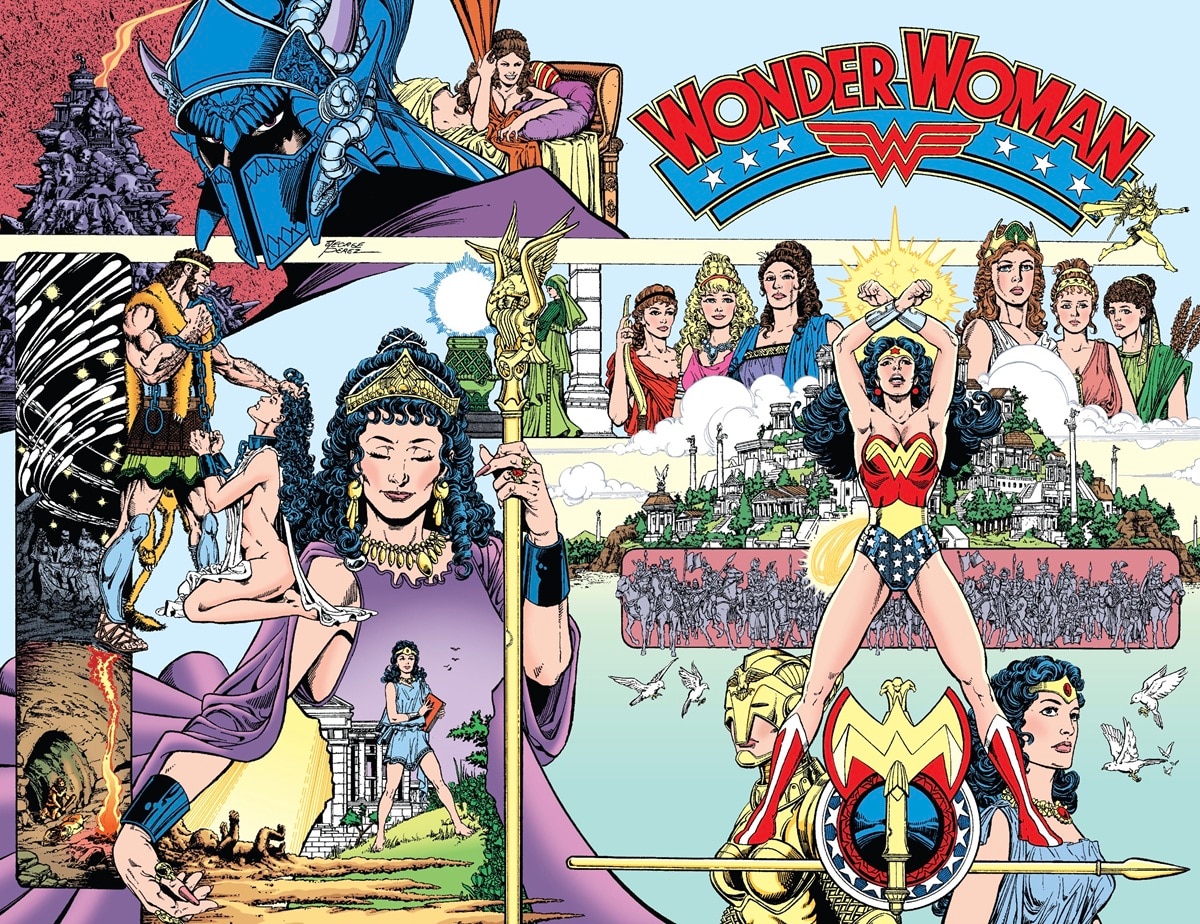
George Pérez’s Reinvention
The reality-altering events of Crisis on Infinite Earths gave DC the opportunity to reinvent Wonder Woman for a new generation. Rather than continuing Diana’s pre-Crisis adventures in a post-Crisis setting, George Pérez, co-creator of Crisis on Infinite Earths and The New Teen Titans, decided to rebuild the legend of Wonder Woman from scratch. What emerged was a Wonder Woman who had never been to Man’s World before and had never fought alongside other heroes before.
This didn’t mean that the previous four decades had been discarded. Pérez, working alongside writer Greg Porter, took some of Diana’s existing aspects and updated them for the 1980s. Wonder Woman no longer had a secret identity as Diana Prince, she was more of a pacifist and diplomat, her origins were rooted in Greek mythology and Paradise Island was renamed Themyscira.
Pérez’s scripts and artwork captured the imagination of readers, and his time on the title, which began with 1986’s Wonder Woman #1, served as a heavy inspiration for almost every depiction of the character moving forward.
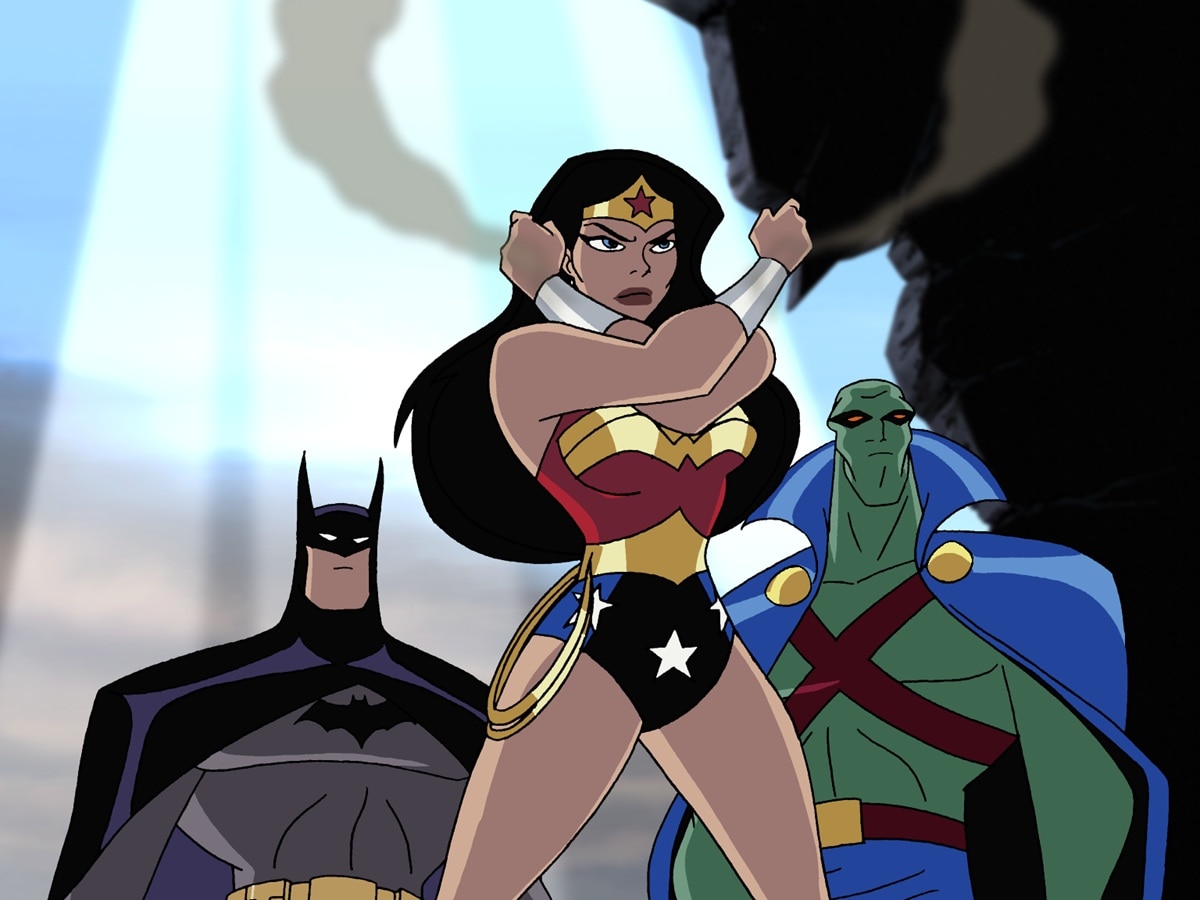

Wonder Woman Enters the DCAU
By 2001, Superman and Batman were already animation superstars, and with the debut of Justice League, the latest series set in the DC Animated Universe (DCAU), it was now Wonder Woman’s turn. Susan Eisenberg voiced Diana, introducing a new generation of kids (and plenty of their parents) to the Amazon powerhouse, who held her own alongside other DC characters that had been absent from animation for decades, like Green Lantern, Martian Manhunter and Hawkgirl.
While Wonder Woman had appeared in animated series like Super Friends prior to 2001, Justice League fleshed the character out in a way that these earlier shows didn’t have the opportunity to. This was a grounded version of Diana, who embodied strength, heart and authority, and who opened the door to a new legacy in animation for Wonder Woman that still lives on. To this day, Eisenberg is still the voice many Wonder Woman fans hear in their head when they read her comics.
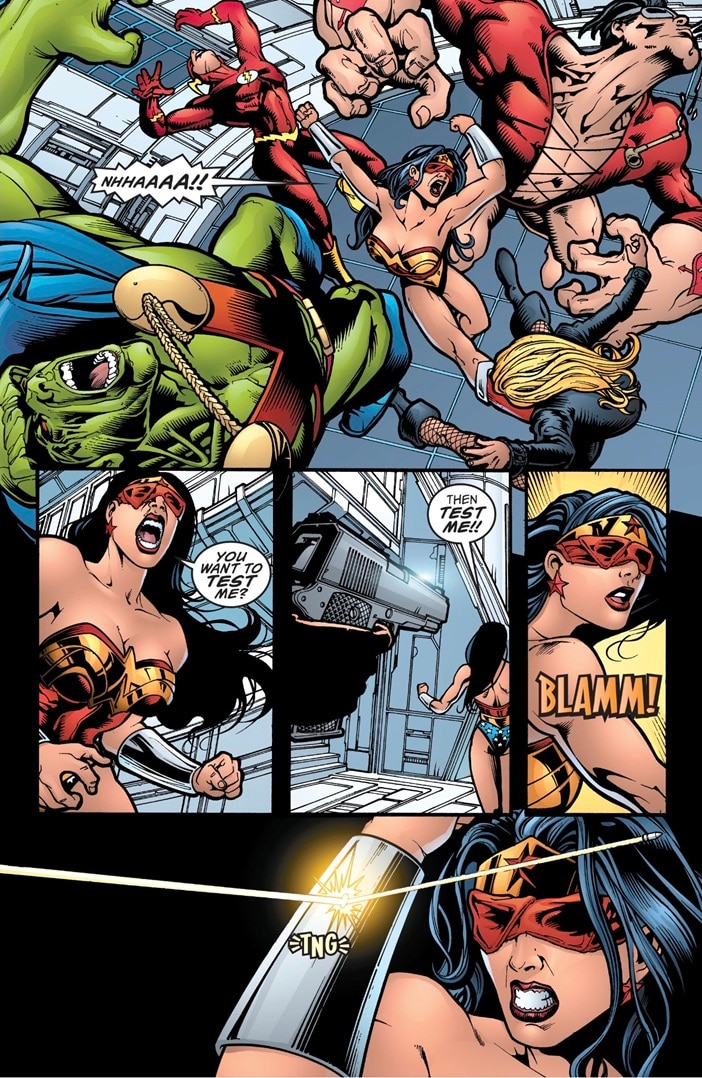

Greg Rucka Blinds Wonder Woman
It isn’t hard to see why Greg Rucka’s time on Wonder Woman (which lasted from 2003’s Wonder Woman #195-226 before he returned to the title with 2016’s Wonder Woman #1-25) is one of the most celebrated runs on the character to date.
During his first stint writing the series, Rucka introduced Veronica Cale, giving Diana her most memorable new villain in decades, and leaned into Diana’s role as an ambassador for peace. However, one of Rucka’s biggest mic drop moments was when Wonder Woman purposely blinded herself in order to defeat Medusa in 2004’s Wonder Woman #210. Even more astounding, this wasn’t something that was reversed at the end of the story. Diana was blinded through Wonder Woman #217—that’s over half a year, when you consider comics come out monthly—all while she was fighting villains and navigating her daily responsibilities.
Moments like this are why Rucka’s time on Wonder Woman remains so impactful to Diana’s legacy. Anyone who doubts that need only watch her most recent animated movie, 2019’s Wonder Woman: Bloodlines, in which Diana’s self-blinding plays a pivotal role.
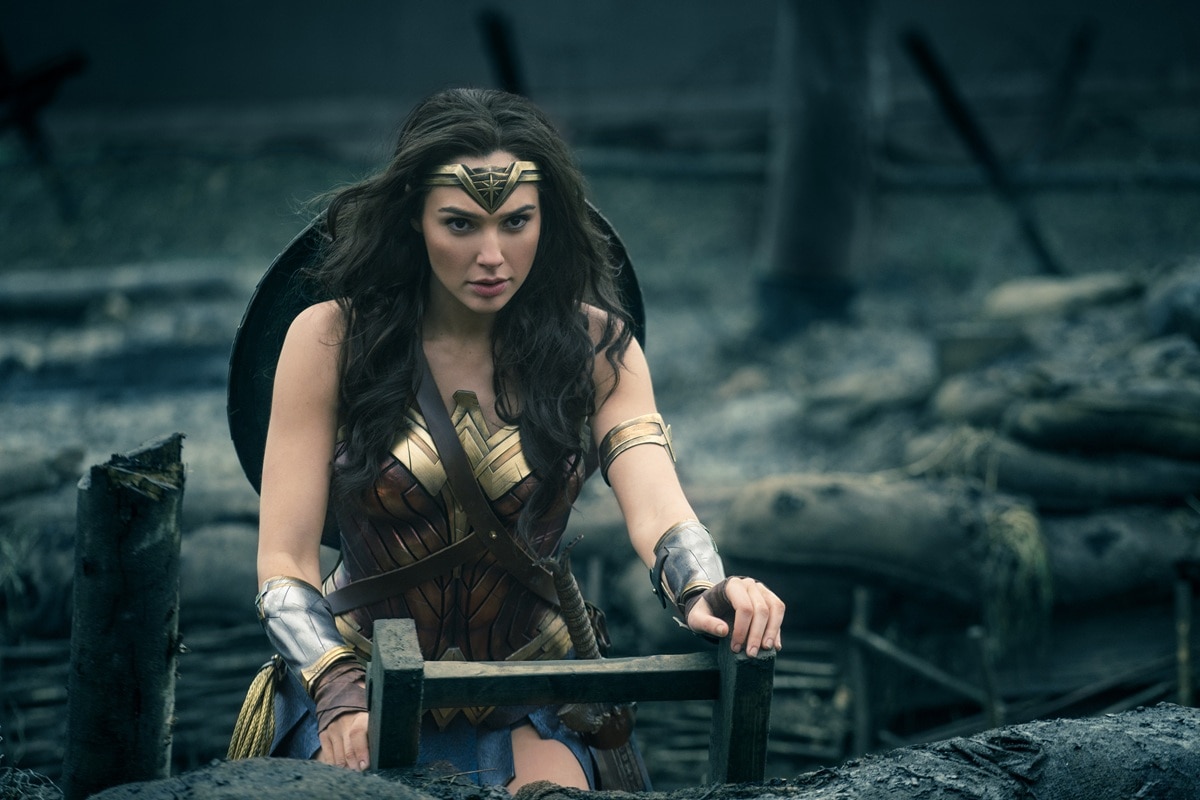

Gal Gadot Shows Us What Wonder Really Is
Over the years, Wonder Woman has been many things, and in 2016, Gal Gadot added movie star to that list. Diana made her live action cinematic debut in Batman v. Superman: Dawn of Justice, and despite not meriting a spot in the title like her two costars, she was arguably one of the highlights of the movie. Love or hate the film, the moment Gadot steps out in her full Wonder Woman suit to fight Doomsday as Junkie XL and Hans Zimmer’s theme plays is still one knockout punch of a moment.
A year later, Gadot reprised her role in Wonder Woman, the character’s first live action movie and in the minds of many, one of the greatest superhero films ever made. Once again, Gadot’s performance impressed and inspired, giving us many iconic moments, including the seminal scene where Diana walks through World War I’s infamous No Man’s Land. Directed by Patty Jenkins, Wonder Woman would prove to be a standout in an era in which cinemas were saturated with superhero fare, inspiring large groups of women to flock to theaters to watch the film together (and of course, post about the experience on social media). Gadot would go on to appear as Diana in 2020’s Wonder Woman 1984, as well as other connected DC films, but it’s 2017’s Wonder Woman that cements her portrayal as a defining one.
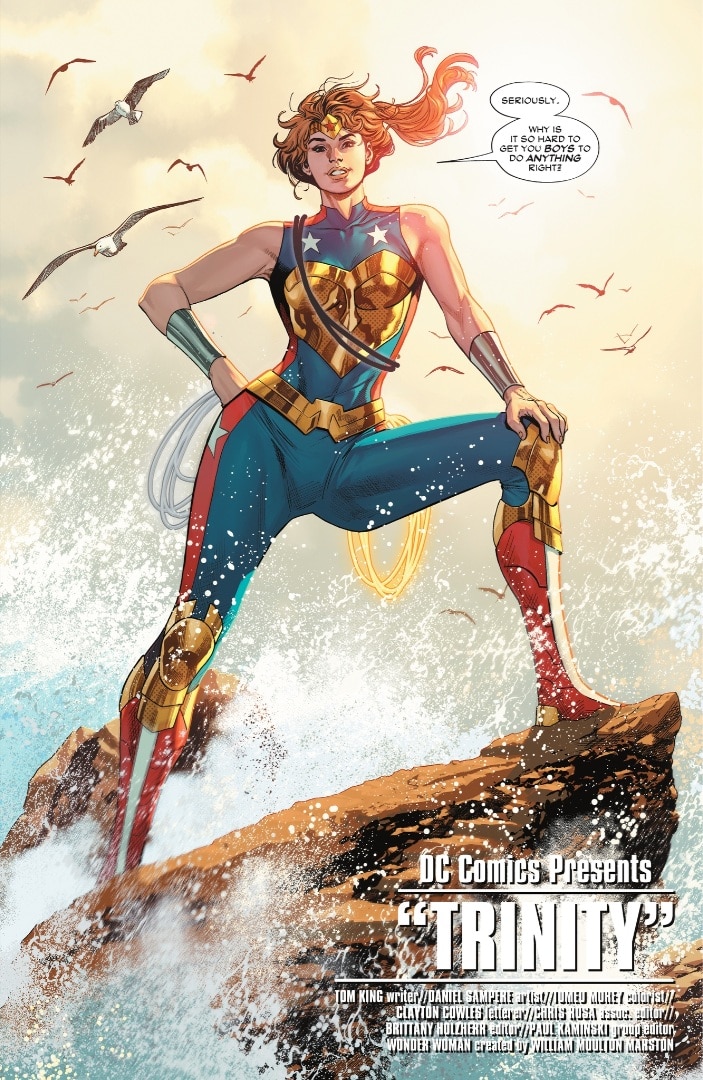

Diana Becomes a Mother
In 2023’s Wonder Woman #800, writer Tom King and artist Daniel Sampere introduced us to Trinity, aka Elizabeth “Lizzie” Prince, the daughter of Wonder Woman. This tale was set in a possible future where Lizzie had grown up to inherit her mother’s role as Wonder Woman, fighting alongside Damian Wayne and Jon Kent, who had also inherited their fathers’ mantles. Lizzie’s life would go on to be further explored throughout King’s Wonder Woman run in a set of timeline-jumping backup stories. We see a five-year-old Lizzie knock out Killer Croc with one powerful kick, an adolescent Lizzie overcoming the influence of the Black Mercy (as she dreams of kicking Jon and Damian’s butts) and an adult Lizzie becoming one of the greatest champions of the DC Universe.
The idea of Wonder Woman having a daughter has been explored in alternate continuities before, but none of them have been fleshed out as deeply as Trinity has. She’s a worthy successor to Diana’s legacy, and a reminder that the legend of Wonder Woman will continue long after Diana is gone.

Wonder Woman Gets an Absolute Makeover
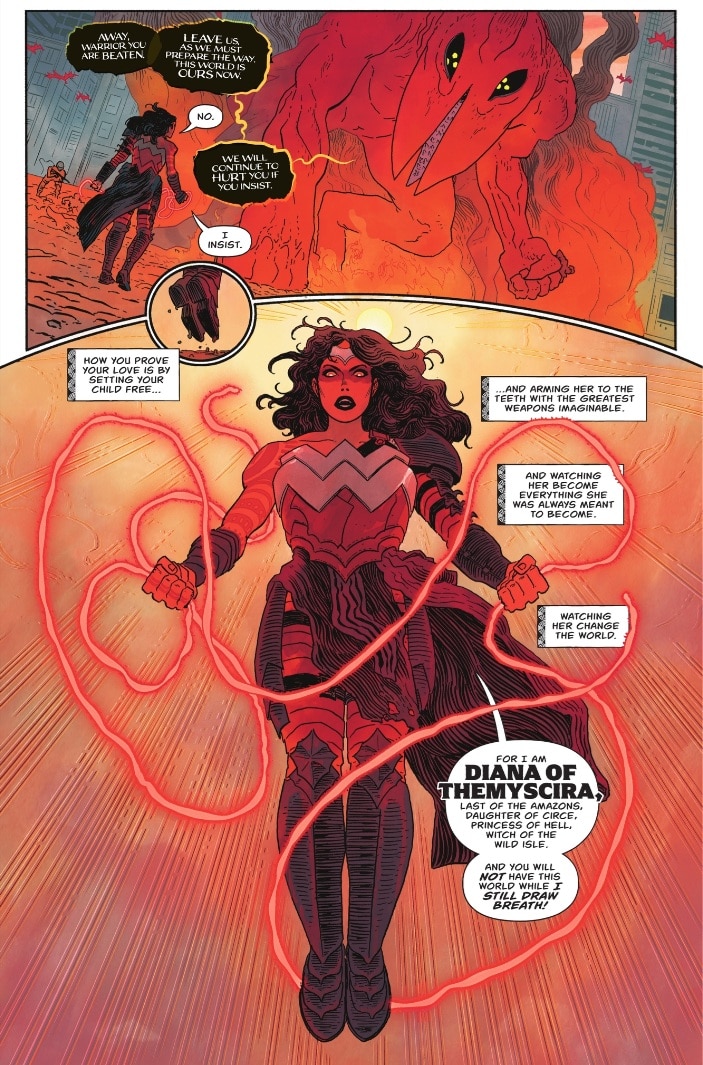
In 2024, DC introduced the Absolute Universe, an alternate world in which the publisher’s iconic characters could be reimagined through a modern lens, reflecting the issues, sensibilities and beliefs of today’s younger generations. Among the first wave of titles was Absolute Wonder Woman, written by Kelly Thompson and drawn by Hayden Sherman, who have used it as an opportunity to bring a razor-sharp edge to the Wonder Woman mythos while still being true to Diana’s heroic core. Instead of being raised on Themyscira, this is a Wonder Woman who has grown up in Hell under the guidance of Circe. When she comes of age, she discovers she is one of her world’s last Amazons.
Absolute Wonder Woman offers readers more than just a darker backstory, however. Diana’s new origin has made clear that her goodness is inherent rather than inherited. Over the course of its still ongoing run, it’s examined the role of mythology in our highly militarized times, using it as a channel for its hero to demonstrate how to bravely and unyieldingly confront the considerable challenges we face in our world.
As you can imagine, a Wonder Woman raised in Hell can also be a bit extreme, and this Diana takes no prisoners. Since her debut, we’ve seen Diana cut off her own arm, turn herself into a giant beast and enchant her Athena Blade to become Kaiju-sized. Is it any wonder Absolute Wonder Woman won an Eisner Award for Best New Series and has helped cement the Absolute Universe as one of the biggest comic book success stories of the 2020s?
It’s been an amazing 85 years for Wonder Woman, and it’s clear the Amazonian heroine isn’t slowing down. Not only would the DC Universe not be what it is without her, it’s hard to imagine our collective pop culture if William Moulton Marston had never dreamed up his inspirational champion of peace. As her 1975 theme song says, “All the world’s waiting for you.” I can’t wait to see what she does next.
Joshua Lapin-Bertone writes about TV, movies and comics for DC.com, is a regular contributor to the Couch Club and writes our monthly Batman column, "Gotham Gazette." Follow him on Bluesky at @joshualapinbertone and on X at @TBUJosh.
NOTE: The views and opinions expressed in this feature are solely those of Joshua Lapin-Bertone and do not necessarily reflect those of DC, Warner Bros. or Skydance, nor should they be read as confirmation or denial of future DC plans.