Welcome, readers, to another monthly edition of ASK…THE QUESTION. I’m Alex Jaffe and every day you’ll find me over in the DC Official Community on Discord as HubCityQuestion addressing questions about the vast mysteries and complications of the DC Universe. And every month, I select a few of them to spotlight for the wider public here on DC.com. Let’s get started.

Emma asks:
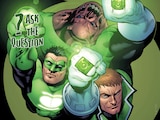
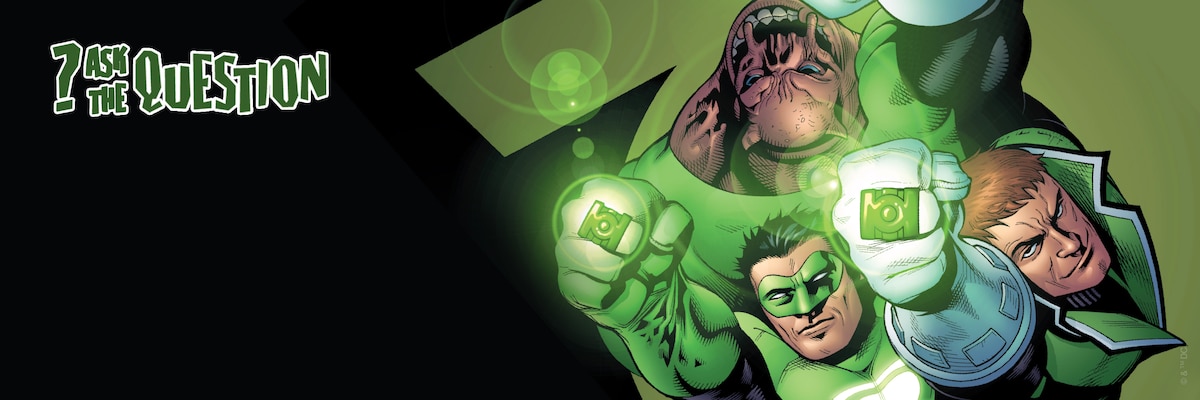
Would it be possible to convert a power ring into another color by feeling a strong enough emotion? For example, a green lantern ring turning red if the wearer is angry enough, or a yellow lantern turning blue if its wearer was filled with enough hope?
Not usually. Most standard Lantern rings cannot be changed depending on the wearer’s mood or motivation, with a few notable exceptions. The first is the White Lantern ring, which can channel the effects of any part of the emotional spectrum as its wielder draws from that particular emotion—as most exemplified by Kyle Rayner in the latter half of the 2011 series Green Lantern: New Guardians.
The second exception is a very dangerous, one-of-a-kind artifact created by the Guardians known as the Phantom Ring, as seen in the 2016 Green Lanterns series. Unlike other rings, the Phantom Ring requires no qualifications from its wielder and can channel any part of the emotional spectrum dependent on its wielder’s feelings. The Phantom Ring was most notably used by Frank Laminski, the Phantom Lantern, and for a brief moment, Hank Henshaw, better known as Cyborg Superman.
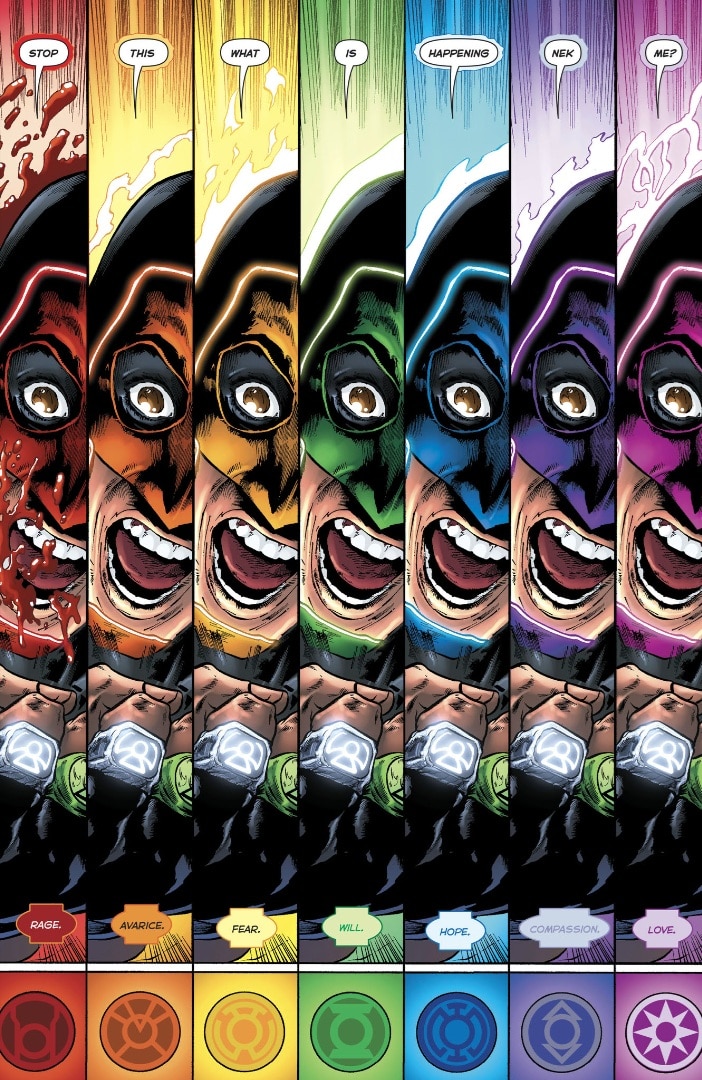
The third and last exception was in the “Fractured Spectrum” period of the current ongoing Green Lantern title, where a conspiracy of Durlans posing as the United Planets destabilized the Emotional Spectrum by detonating the Central Power Batteries of each Corps. With this act of destruction, many Lanterns ended up temporarily switching Corps to reflect their emotions, until the batteries could be rebuilt upon the Durlans’ defeat.
But typically speaking, if you’re assigned a Green Lantern ring, you won’t be able to turn it red no matter how mad you get.
Titan Jones asks:
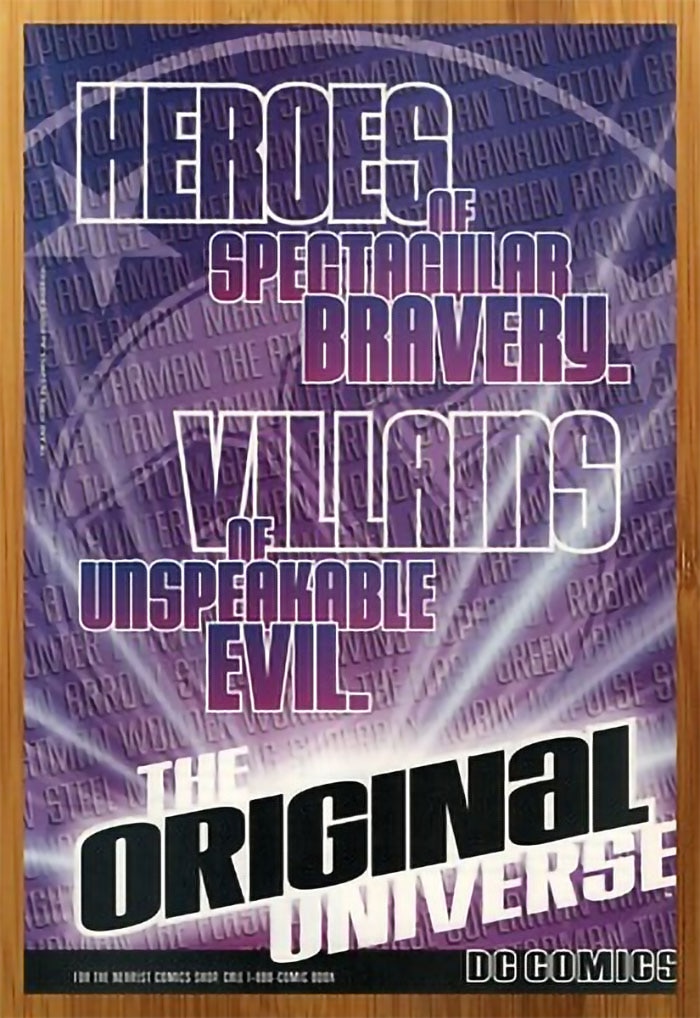
Reading some comics from the 2000's, what was the deal with DC having "the original universe" in their house ads? Was that just a marketing thing?
For a few years from the late ’90s to the early ’00s, DC called itself “The Original Universe” in its house ads to reflect the trends of the comic book landscape. Following the comics sales boom of the 1990s, more and more publishers were establishing a network of titles in continuity with each other, much like DC and Marvel had been doing for decades, to encourage readers to check out all of their titles. As these publishers engaged in a practice that DC had been weaving together since the 1940s, they billed themselves as “The Original Universe” to claim that DC had been beating the latest trend this whole time.
Pepsped asks:
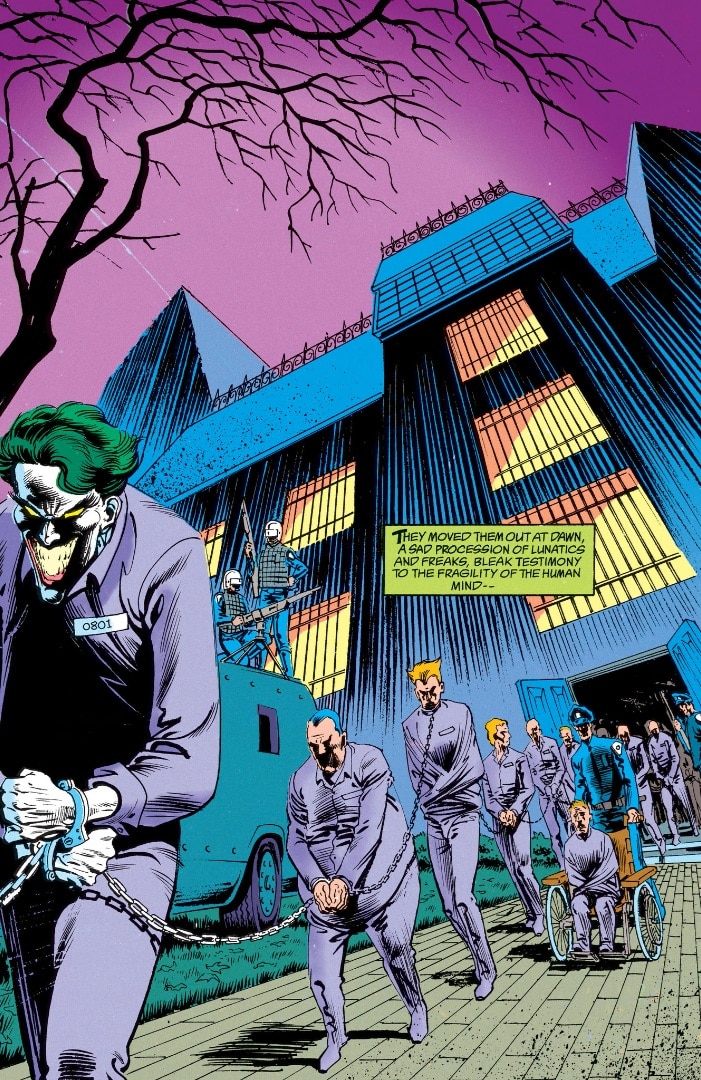
Hey Hub, I was wondering, when was the first ever Arkham breakout?
And Rogue121 asks:
What's the highest number of known Batman rogues that have been imprisoned in Arkham at once? How many different versions of Arkham have there been—as in, how many times has it been rebuilt, including variations such as the Towers? And which named and known Batman villain has been imprisoned in Arkham for the longest amount of time, in real time, if you add together all the times they've been incarcerated?
As far as publication time goes, the Arkham Asylum breakout is in fact as old as Arkham Asylum itself. 1974’s Batman #258 was the first issue where Arkham was identified by name, opening with Two-Face breaking out of the asylum and, quite pointedly, leaving the Joker out of his escape plan.
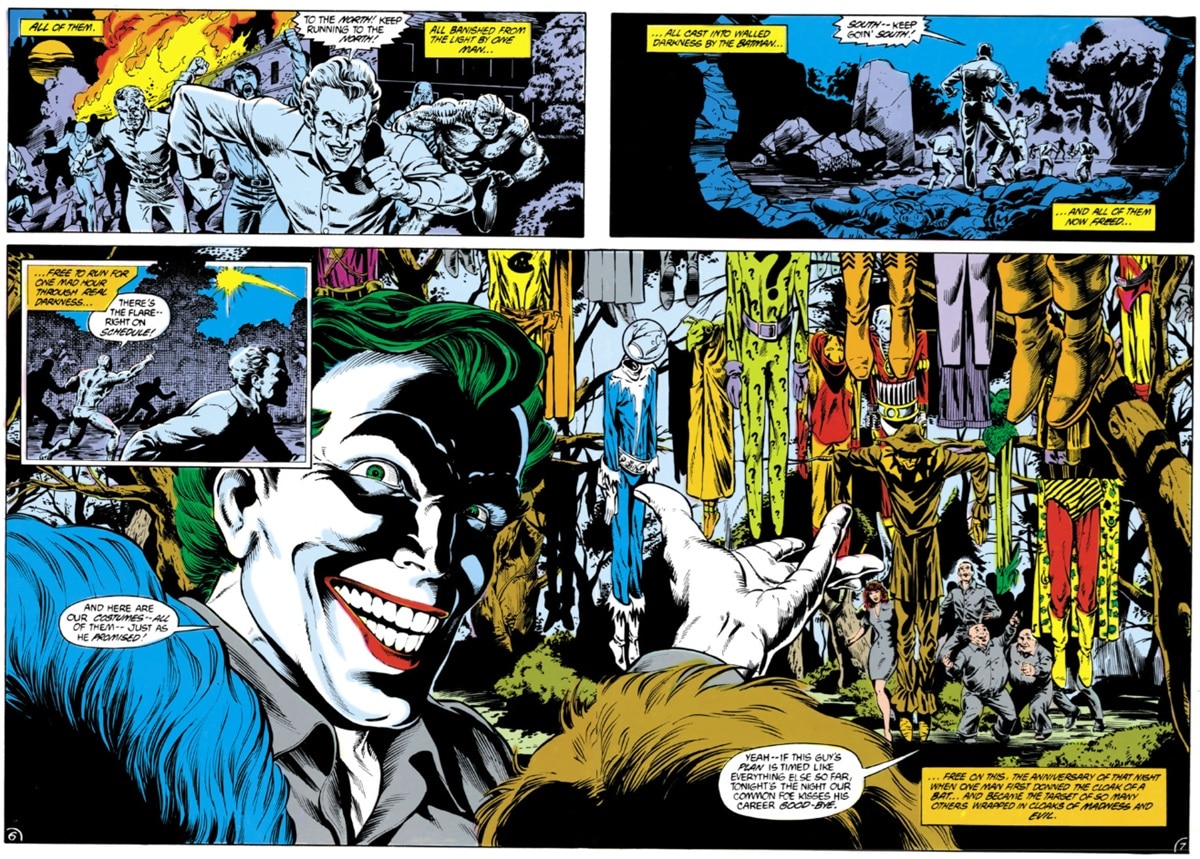
There have been many Arkham Asylum crowd scenes over the years, but in my estimation, and after checking the most notable Arkham-based storylines which came to mind, I believe the record for the most named Batman villains we’ve seen in Arkham at once is still held by 1986’s Batman #400—a final bow for Batman’s Pre-Crisis status quo, featuring cameos by no fewer than thirty of his greatest foes.
Next, we’ll walk through a brief history of the destruction and reconstructions of Arkham. The first was in 1992's Shadow of the Bat #1, at the behest of Jeremiah Arkham himself when making renovations. The second was in 2009's Battle for the Cowl, where it was once again destroyed and rebuilt by Jeremiah—this time in the guise of Black Mask.
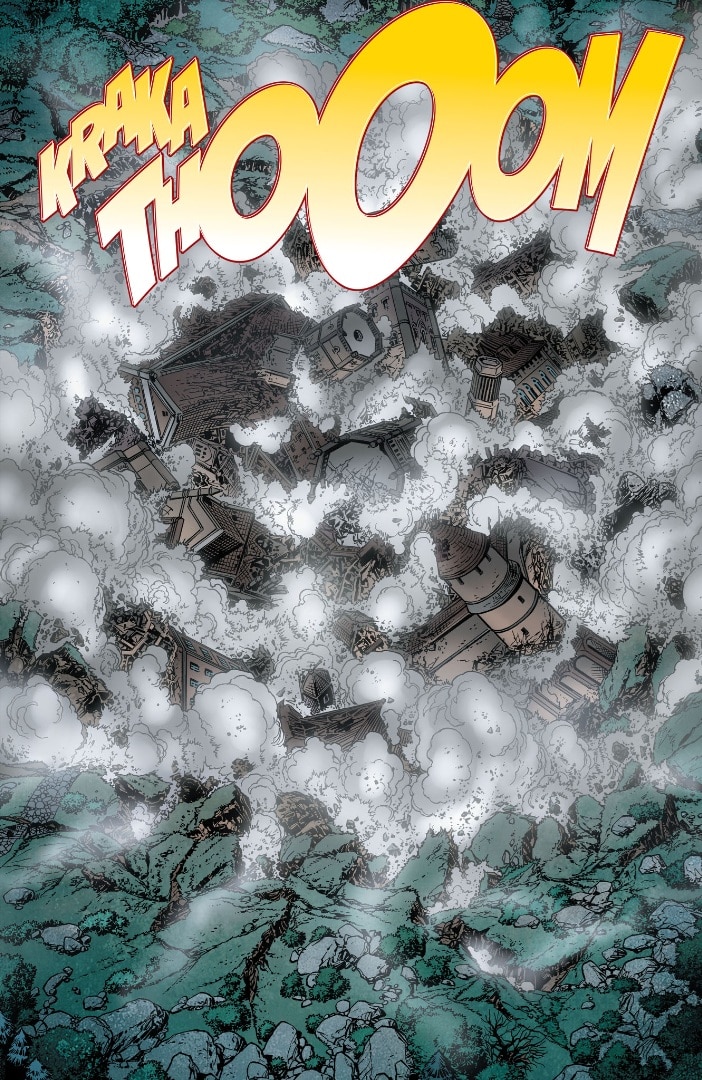
Arkham was destroyed a third time by Deacon Blackfire in 2014's Batman Eternal, temporarily relocating to Wayne Manor in the interim during repairs, as detailed in the short-lived Arkham Manor. Arkham's fourth destruction came during "A-Day" courtesy of Simon Saint in 2021's Infinite Frontier #0, leading to the construction of Arkham Tower, the main Arkham facility to this day. Shortly after, in Ram V’s Detective Comics run, the wealthy Orgham family sponsored the reconstruction of the classic Arkham Asylum, but that facility remains mostly vacant at this time.
For your last question about who’s been imprisoned the longest, the answer depends on whether we’re talking about time in continuity or in terms of publication time. The latter is an easy matter to resolve, for as noted above, Two-Face and the Joker are the first villains who were identified as patients in Arkham Asylum. Therefore, we can presume that in between their periods at large, they have spent the most time between issues on the inside. Within the timeline of the DC universe, I believe that title would have to go to the Anchoress, a minor villain Batman encounters in 2013’s Batman Annual #2—the oldest living inmate of the facility who has never left its grounds, and has been there since long before Batman appeared in Gotham.
Twent asks:
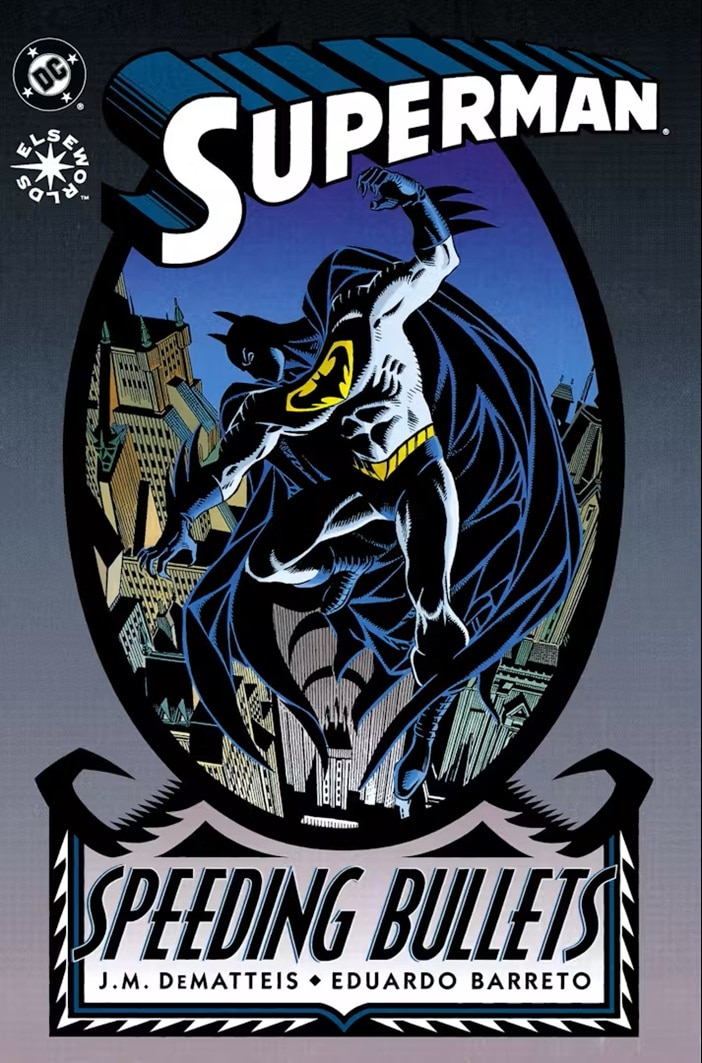
This is a complete long shot question, but I figure if anyone has the connections to figure it out, it's you! There's no letterer credit ANYWHERE for Superman: Speeding Bullets. Not in the original publication, the collected editions, or anything. So, who was it?
Considering I was asked this question on September 1st, Letterer Appreciation Day, I figured I would perform my due diligence to help out with this mystery. My first finding was that Twent was correct—there has, to this date, been no letterer credit ever included in any edition of this classic Elseworlds title. My next recourse was to try to get in touch with the writer, JM DeMatteis, over social media to see if he could recall who he worked with on this project.
Understandably, considering it was first published over thirty years ago, he had no memory of this.
That brought me to my second lead—tracking down the book’s editor, retired Superman boss Mike Carlin. I had to reactivate my old LinkedIn account for that, and after wading through way too many posts taking either side on the benefits or detriments of AI in my main feed, I made contact.
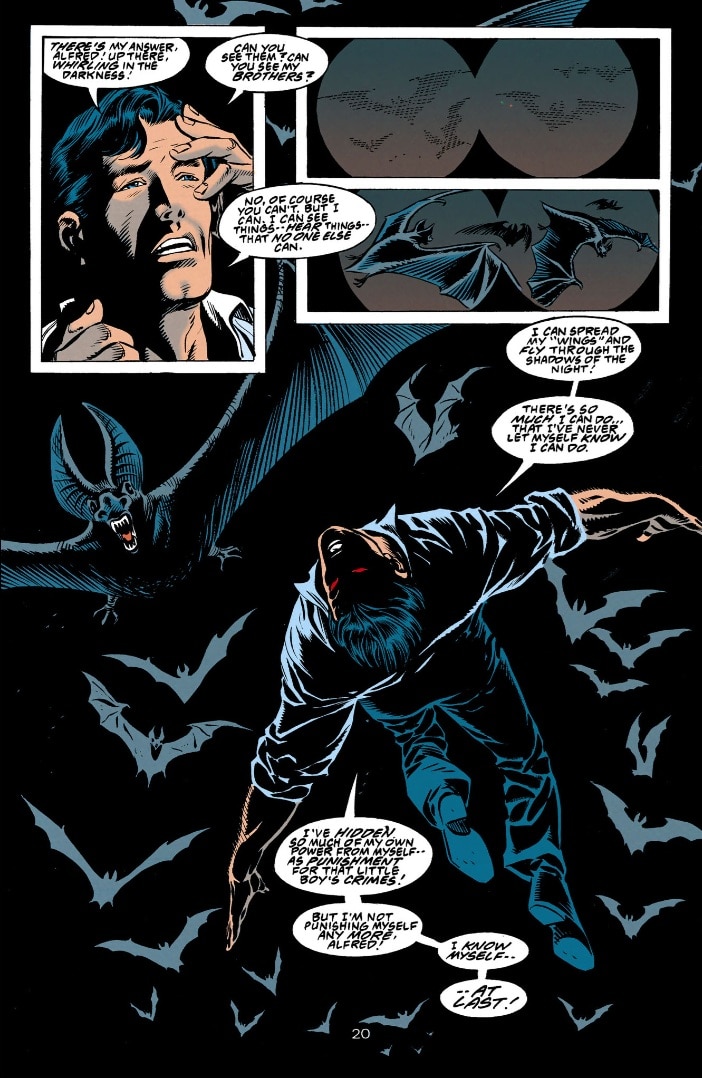
Determined as I was to correct this oversight, Carlin joined me in my search. His first instinct was that it might have been Bill Oakley, who was one of his go-to letterers at the time. But the style didn’t match. As he was now retired, Carlin didn’t have access to the records anymore, but his best guess was a couple of his other go-tos, either John Costanza or Albert DeGuzman.
Up to that point, I had seen some unverified online sources citing Costanza as the letterer, including the secondary sales market. But I needed something more official. Fortunately, I happen to know someone who does have access to those records.
Enter Benjamin LeClear, the official archivist for DC Comics.
Corresponding by email, I posed this mystery to Ben, to see if he could dig up the payroll records from 1993 and determine who was paid to letter Speeding Bullets.
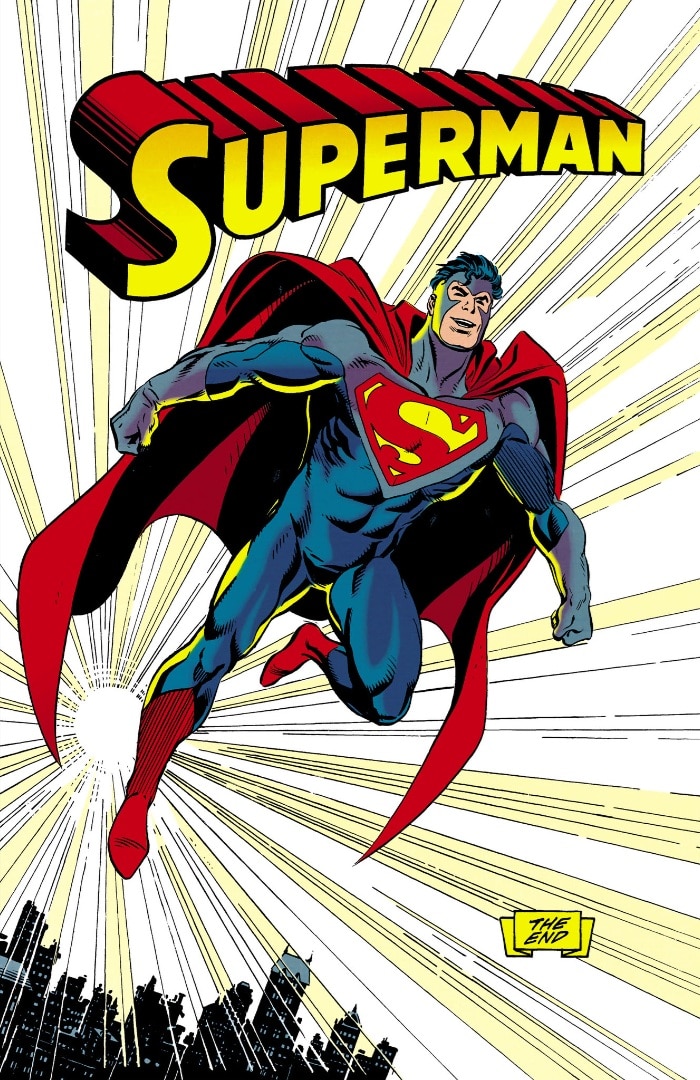
Paydirt. Ben managed to indeed verify one of Carlin’s suspects, while categorically debunking some faulty online misinformation. Upon his checking of the records, he wrote me this response:
Happy to say - I actually have an answer for that question. Was able to look at old pay ledgers and determine it was assigned to longtime DC letterer Albert DeGuzman.
And to make this super nerdy - they completed the first round of lettering on 7/23 of that year and then turned in three redone pages (for some reason) a week later on 7/30.
And with that, we finally have our answer! Current and future DC collection and fan wiki editors, you may now amend your credits accordingly.
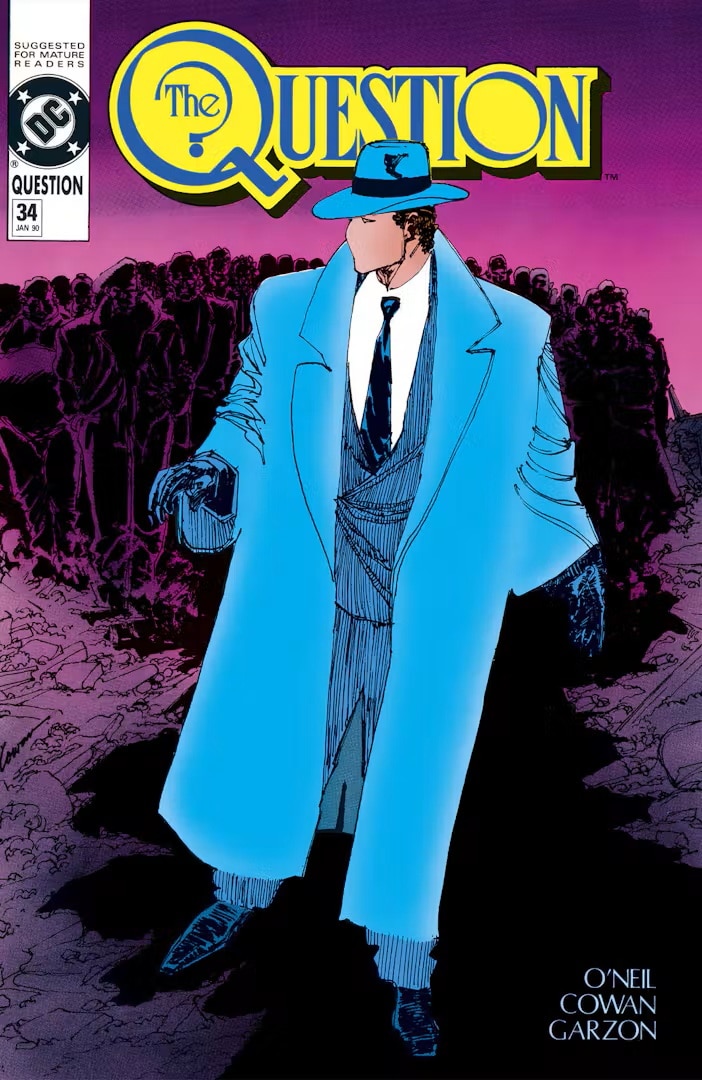
Vicky Sage asks:
Hey Hub, do you ever cosplay the Question?
I can’t say that I have. I’m not much of a cosplayer. You might say that you’ll never catch me LARPing.
That’s all the time we have for this month. But if you’re hungry for more, you can always catch me in the #ask-the-question channel in the DC Official Discord, now fast approaching 100,000 members. There are plenty of great reasons to be there, but sating your curiosity is as good a one as any. It never hurts to ASK…THE QUESTION.
Alex Jaffe is the author of our monthly "Ask the Question" column and writes about TV, movies, comics and superhero history for DC.com. Follow him on Bluesky at @AlexJaffe and find him in the DC Official Discord server as HubCityQuestion.
NOTE: The views and opinions expressed in this feature are solely those of Alex Jaffe and do not necessarily reflect those of DC or Warner Bros. Discovery, nor should they be read as confirmation or denial of future DC plans.