All September long, we’ve been celebrating Batman here on DC.com, culminating with our annual Batman Day on September 19th. Did you do anything to celebrate the Dark Knight that day? Perhaps watching one of his many movies? If you did, you’re not alone. Many of us who write about the World’s Greatest Detective did as well. But if you’ve been curious about Batman’s adventures in print, it’s a great time to dive in. There are thousands of Batman comics out there, as varied in tone as the movies they inspired. All you have to do first is ask yourself: “What’s your favorite Batman movie?”
Batman: The Movie (1966)
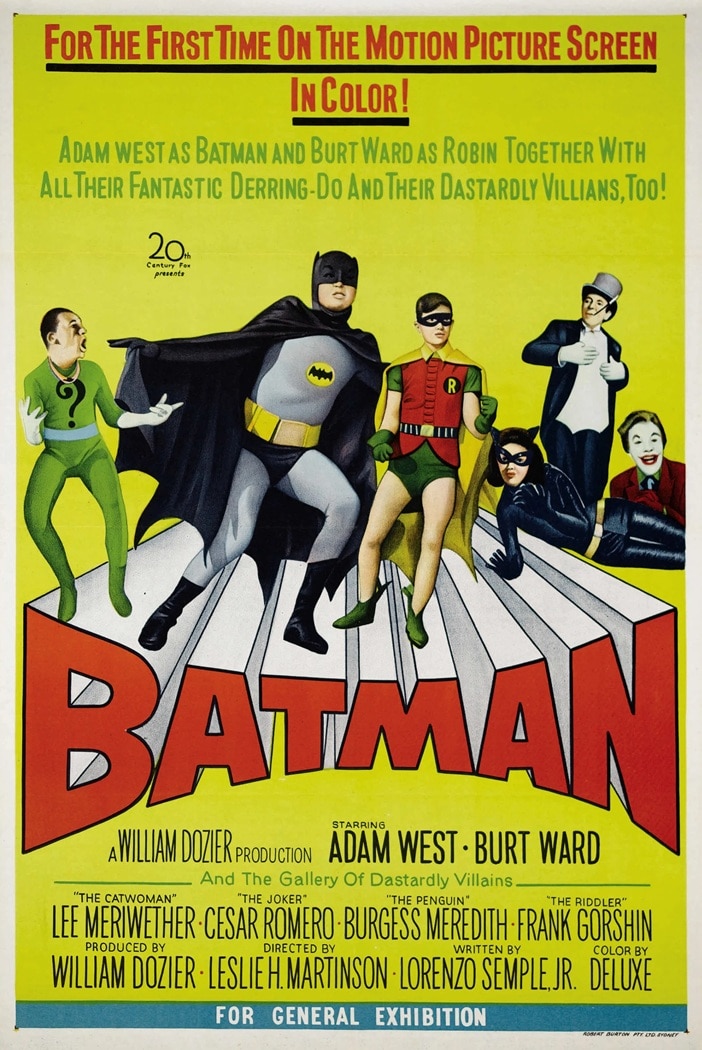
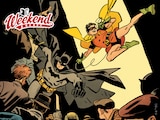
There’s a common misconception about William Dozier and Adam West’s TV Batman that it was a bad faith, parodical mockery of the source material. But the truth is that if you were reading the Batman comics of the time, you couldn’t possibly find a more faithful adaptation in tone and content. This collection is especially curated to showcase the Batman stories from the ’40s through the ’60s which inspired the show in the first place.
Alongside the Westian Batman himself, the other greatest adaptation of that material came from the licensed Batman manga in Japan at the time, translated and distributed stateside only decades later
If you’re looking for something more modern with a throwback vibe, you’ll want to dig into the Batman ‘66 series, published in the 2010s as a functional Season 4 of the classic ’60s series. The humor, the color and the personality of your favorite Batman are all preserved here, with a little bit of extra narrative threading to help build a cohesive vision out of the “Dozierverse.”
Batman (1989)
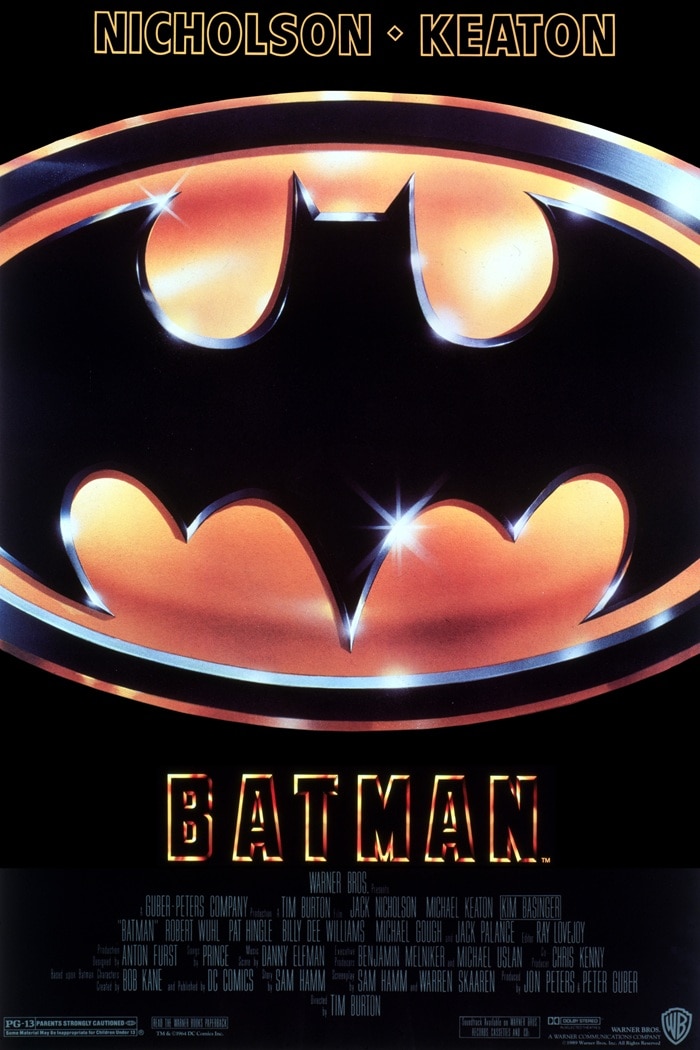
This classic, contemporary storyline features the screenwriter of 1989’s Batman itself as its author, Sam Hamm. With the film reinventing Batman in a way that hewed him closer to his darker, pulpier roots, Hamm was enlisted to write a story going back to his origin from a different angle, exploring his training years in a way that feels like a writer introducing the reader to his specific take on a legend. Thematically a perfect companion piece to Batman’s script, it starts in Detective Comics #598, continues in #599 and concludes in the milestone issue #600.
More recently, Sam Hamm returned to write two miniseries advancing the world of Tim Burton’s Batman duology, giving him his long-discarded Robin, scarring Billy Dee Williams’ Harvey Dent, bringing Catwoman back into his life and introducing Burtonized takes on characters like Scarecrow and Harley Quinn. But the real reason to check these out is the art of Joe Quinones, who draws Batman set designer Anton Furst’s Gotham City and its resident wackos like he’s been preparing for this job his whole life.
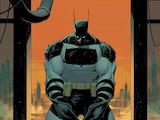
In 1989’s Batman, the Dark Knight barrels through the action, pummeling his way through obstacles with a single-minded sense of purpose and brutality far removed from the days of West. The appeal of the 1989 Batman was that we were finally going to see Batman at his darkest. And if you want it dark, look no further than the best-selling ongoing Batman comic today, which puts its own supersized Batman through an unprecedented wringer every month.
Batman Returns
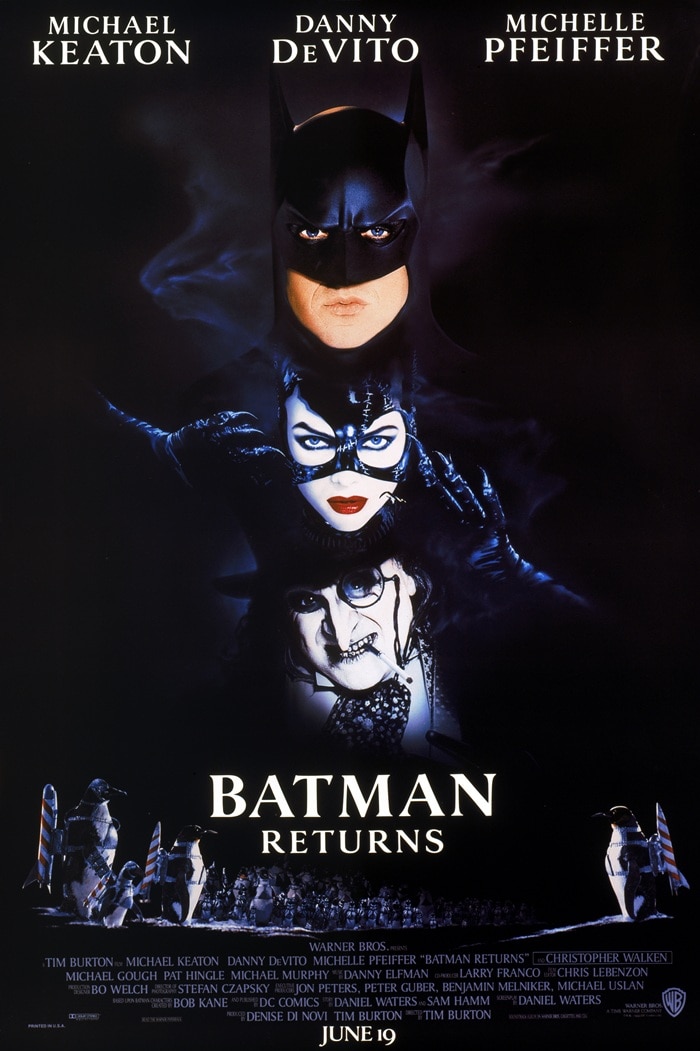
There are three major reasons Batman Returns might be your favorite Batman movie, and the first one is Catwoman. Flirty, adventurous, rebellious and vengeful, Michelle Pfeiffer’s Selina Kyle is the true star of the movie. The ’90s Catwoman series often feels directly inspired by this liberated take on the feline felon, delighting in the luridity of stealing everything the heart desires from right under Batman’s nose.
Another equally valid reason is the grotesque, pathetic performance of Danny DeVito as the Penguin, a born monster whose existence is a warped mockery of the human society that keeps him at a sewer pipe’s length. There’s never been a Penguin in the comics quite like Burton’s, but this 2011 miniseries does a great deal to capture its spirit in a way that has continued to define Oswald Cobblepot as a character ever since.
The third reason you might prefer Batman Returns is the way all of its elements work at once, namely its oversized supervillainous figures in leadership roles determining the fate of Gotham City in a mad circus of politics. Believe it or not, that’s exactly what’s going on in the main Batman titles as you read this, with the Bad Seeds crossover pitching Mayor Pamela Isley against GCPD Commissioner Vandal Savage, with Batman caught in the middle. It’s absolutely 1992 up in Batman continuity right now.
Batman Forever
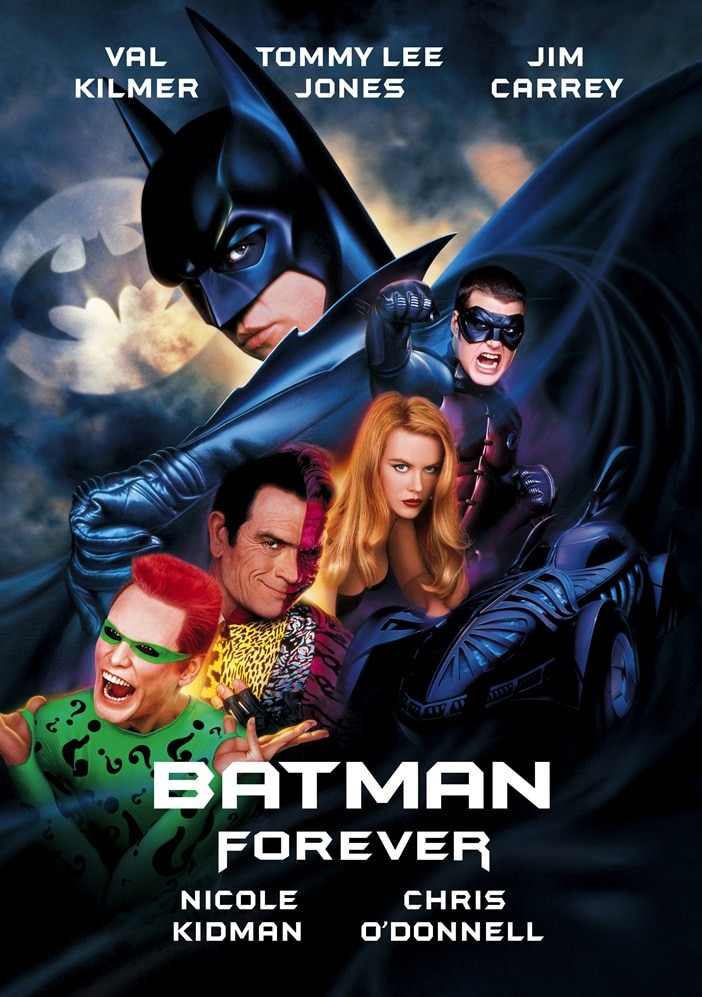
The legacy of Batman Forever is that, to this day, it’s the only live action Batman film that has really given us an origin story for Robin. That centerpiece of the Dynamic Duo, so important to so many comics, is largely absent from the films. If you’re looking for more of that, Mark Waid and Chris Samnee’s Batman & Robin: Year One, as well as its ongoing sequel, represents a modern return to that dynamic that was originally so appealing before Batman was largely cast as a loner. This is the book to remind you what makes that relationship fun.
Despite releasing well into Tim Drake’s tenure in the comics, the Chris O’Donnell incarnation of Robin feels more like an amalgamation of Dick Grayson and the streetwise Jason Todd. To get a sense of what we mean, we would invite you to check out this story which establishes the Jason that fans know and love today, truly defining him as an entity separate from Dick for the first time. This is where you’ll find the other half of O’Donnell’s Robin.
If you’re familiar with Jason Todd at all, then you already know what happened to him. Lesser known is this miniseries that explores the years in between his resurrection and return to Gotham City, forming him into the Red Hood we know him as today. Brash, moody and motorcycle-bound, everything that makes the bad boy of the Bat-Family such an appealing antihero can be sourced right here.
Batman & Robin
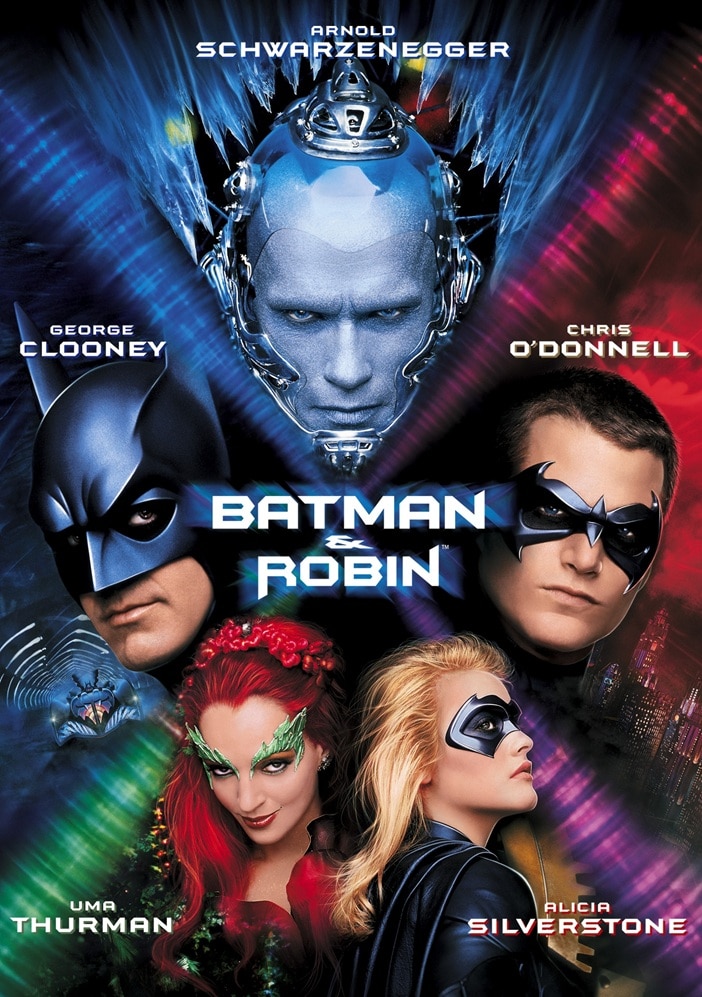
If the George Clooney, Uma Thurman and Arnold Schwarzenegger-starring Batman & Robin is your favorite Batman movie, then you appreciate a certain style of camp—not quite that of the 1960s series, but a more bombastic, audacious and confrontational style. One of the most challenging Batman comics to take it over the top is this Neal Adams opus, taking Batman into conflict with a race of dinosaur riders beneath a hollow earth while he occasionally waxes poetic about the benefits of having your own coffee maker while shirtless. A truly singular experience for those with a certain palate.
There’s also this farcical send-up of the Batman and Robin dynamic by Frank Miller and Jim Lee, violently crashing the accepted conventions of Batman’s worlds into a stark hyper-reality. Memetic, sarcastic and irreverent to the point of borderline heresy, All-Star dares the reader that if they’re not laughing along, they’re missing the point.
Much like Frank Miller’s Dark Knight, the collaboration of Scott Snyder and Greg Capullo in Gotham City has always dared itself to go the next extreme step. This ramping of spectacle came to a head with DC Black Label’s Last Knight on Earth, an epilogue outside of continuity to their New 52 Batman saga featuring a weary Batman trekking through a post-apocalyptic world with only the disembodied head of the Joker for a companion. The buildings are in ruins, for all the scenery has been chewed.
Batman Begins
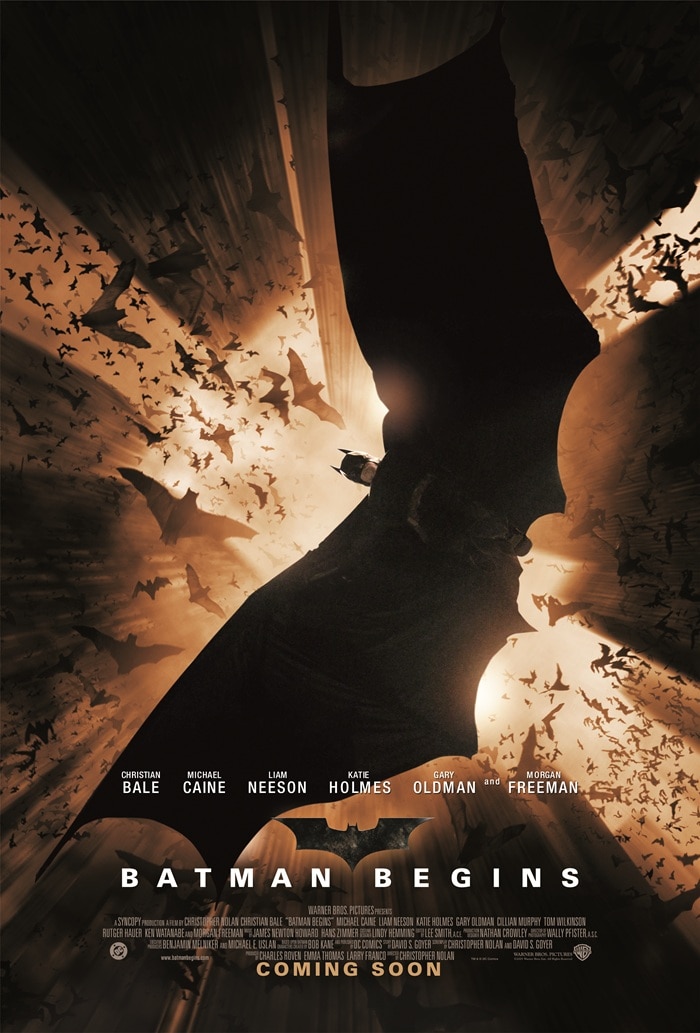
If Batman Begins is your favorite Batman movie, then what fascinates you is what made your heroes into the people they are today. Batman: The Knight is the most thorough exploration to date of Bruce Wayne’s time abroad, between the tragedy in Crime Alley and his debut as Gotham’s sworn protector. It’s here that you’ll find the lessons and sacrifices that made Bruce Wayne into the Knight he is now.
Batman Begins is also when we really start to look inside the head of Bruce Wayne himself, sometimes through the cipher of the Scarecrow. The best Batman and Scarecrow story to this effect is one that even dedicated fans often overlook: Batman: Kings of Fear, in which Kelley Jones’ horrifically exaggerated proportions are utilized to the most effective execution of his career. For six issues, a fear toxin-soaked Batman drags Scarecrow through Gotham City in a race to bring him to justice before he can psychologically tear him to shreds. Batman, of course, is victorious in the end, but it’s all about what he has to go through, and what he must confront, to get there.
In the wake of the 1989 Batman film, there was a new need to explore the early years of Batman—the time when he still existed mainly as a whisper in the superstitious criminal’s breath. This was the niche filled by Legends of the Dark Knight, featuring a solo Batman, still working out the kinks in his operation and growing his mission. The anthology series told stories of this early time in his career with a breadth and depth Batman had never before experienced in the one year of actual time before the Boy Wonder came under his wing in 1940. Legends is truly where the solo Batman we regard in adaptation came to life in the comics.
The Dark Knight
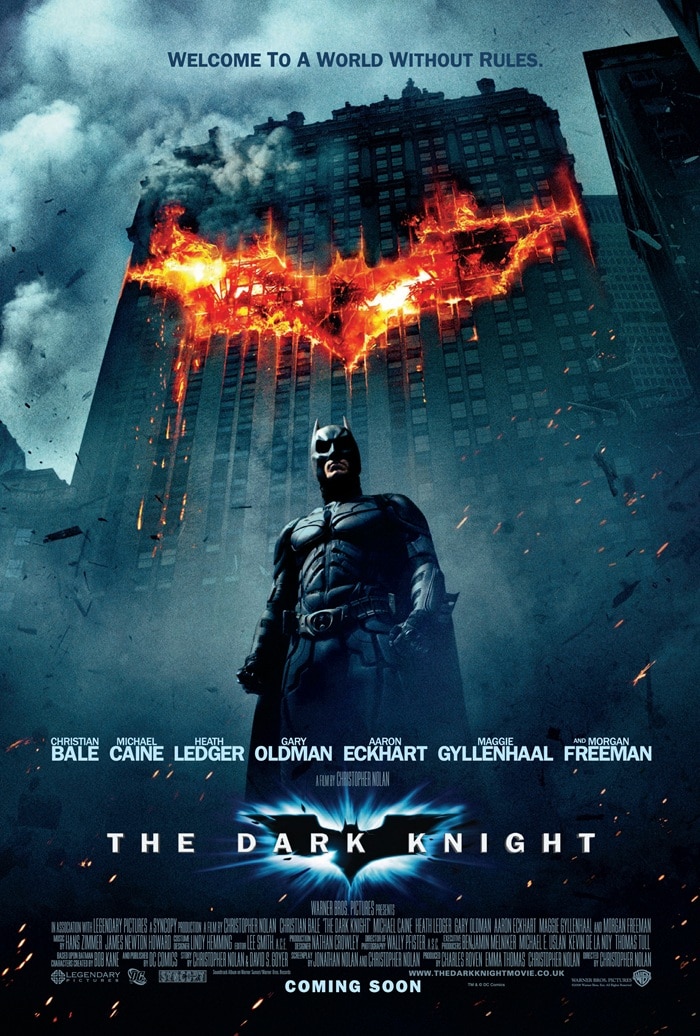
A popular choice, to be sure. What most people would agree ultimately sets The Dark Knight apart from the other Batman movies is the performance of Heath Ledger as the Joker. As legend has it, this Alan Moore and Brian Bolland classic was Ledger’s source text, poring through it to find the character in his mind. This is where you can find the monster, should you be daring enough to welcome him into your own head.
One of the most staggering coincidences upon the release of The Dark Knight was how similarly evocative its Joker was to the one seen in this Brian Azzarello and Lee Bermejo graphic novel portraying the iconic villain as an unknowable titan among everyday criminals. The timing is such that one could not have possibly directly influenced the other. But together, they convey something that just happened to be in the air that year—a particular zeitgeist which drew a darker, meaner Joker than he had even been when he murdered Batman’s kid that one time.
Maybe what you like about The Dark Knight is the way it challenges Batman on a personal level, affording stakes to his life as he engages with the streets of Gotham. The best comic to operate on that wavelength in recent years was Dan Watters and Hayden Sherman’s Dark Patterns, a quatrain of cases bringing an early Batman a new understanding of his city and the disease within it. For the dark detective we often describe Batman as, but rarely often see, this is the place to go.
The Dark Knight Rises
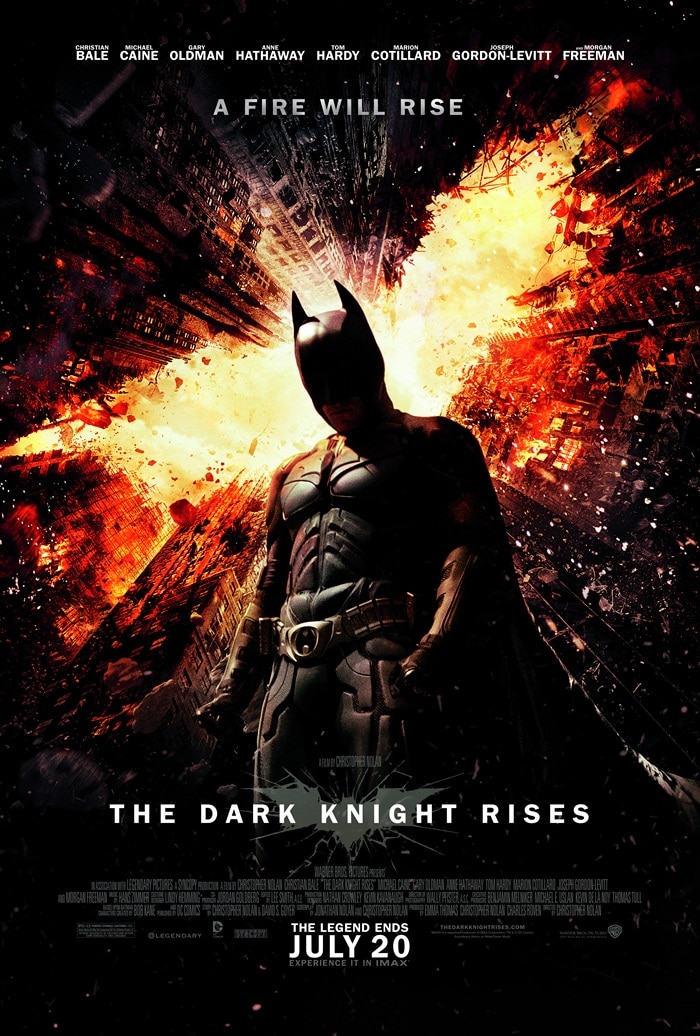
This one’s simple. The Dark Knight Rises draws most of its form from three of the most influential Batman stories ever written: The Dark Knight Returns with its unretiring of a jaded Bruce Wayne, Knightfall with the breaking and rebuilding of the Batman and the truly epic No Man’s Land in Gotham City’s catastrophic isolation, its citizens left to fend for themselves.
The Batman (2022)
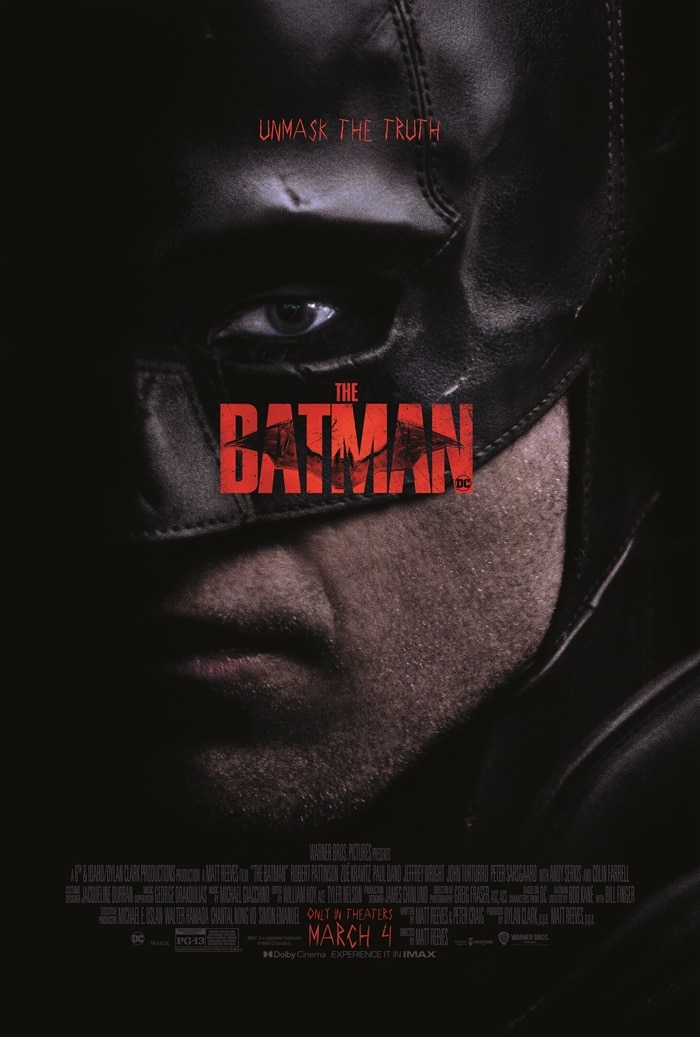
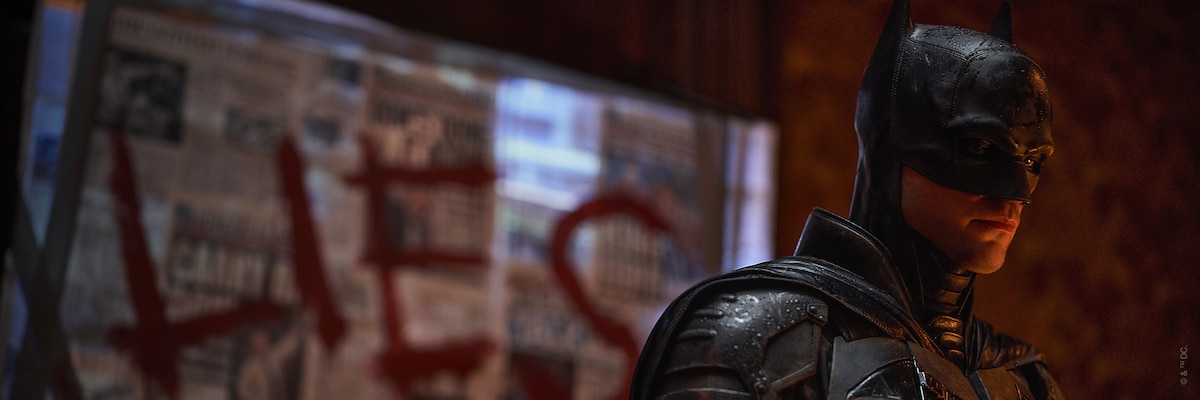
If your favorite Batman movie is The Batman, then buddy, you are going to love Batman comics. Tonally, I would call this the truest Batman movie to capturing what most Batman writers and artists since the 1980s have been trying to do with the character. And as clear as some titles like The Long Halloween are to its direction, it’s the citation by director Matt Reeves of Ego as one of the most influential titles to his vision that makes it clear this comes from someone who has thought about who Batman is a lot. Ego is one of the central texts in examining Batman as a character and a great place to start. Just remember, this is not necessarily who Batman is, but what Batman fears he may be.
Written by Riddler actor Paul Dano himself, and with a frenetic art style by Stevan Subić that captures the Zodiac-inspired screed of the villain as depicted in the film, The Riddler: Year One is the most personal exploration of a Batman movie villain we have seen to date—one which centers him as the hero of his own twisted story. After reading this comic, you’ll be able to watch The Batman again with fresh eyes in a way that adds new dimensions to the experience.
Written by The Batman script doctor Mattson Tomlin, Imposter isn’t officially a sequel to The Batman, but it does feel like it comes from the same localized county within the Batman multiverse—an obsessed, young, angry Batman in a filthy Gotham seeking a way forward and through. It’ll help scratch your Battinson itch until the 2028 sequel and ensure you’ll never think of Ratcatcher the same way again.
Batman: Mask of the Phantasm
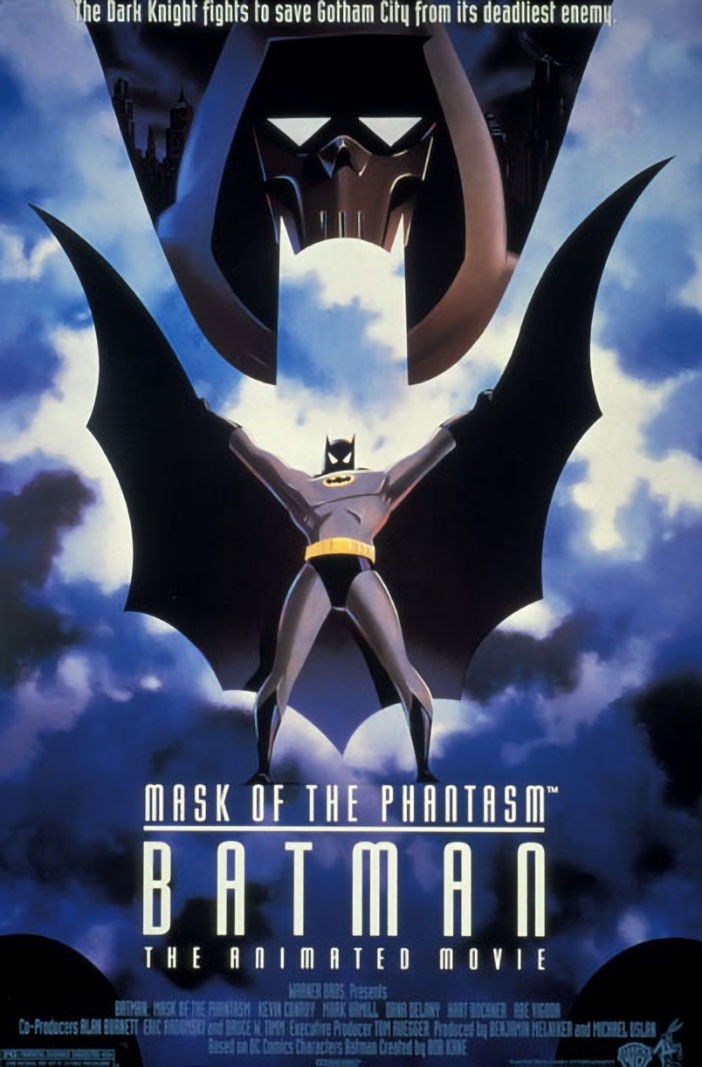
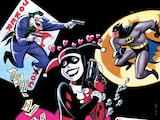
Ah, there you are. A fellow Batman fan of true culture. If Mask of the Phantasm is your favorite Batman movie, I’ll bet my batarangs that you’ve already read more Batman comics than most people can name. My only advice to you is to consider investing in a DC UNIVERSE INFINITE subscription, the easiest way to keep on doubling the size of your personal Batman checklist. And hey, if you’ve somehow missed it, check out the Batman Adventures line. It’s like discovering whole new seasons of the animated series that were never animated. You’ll thank me later.
Alex Jaffe is the author of our monthly "Ask the Question" column and writes about TV, movies, comics and superhero history for DC.com. Follow him on Bluesky at @AlexJaffe and find him in the DC Official Discord server as HubCityQuestion.
NOTE: The views and opinions expressed in this feature are solely those of Alex Jaffe and do not necessarily reflect those of DC or Warner Bros. Discovery, nor should they be read as confirmation or denial of future DC plans.