Each Friday, we'll be letting a different DC.com writer share what they'll be reading over the weekend and why you might want to check it out. Here's this week's suggestion for a perfect Weekend Escape!
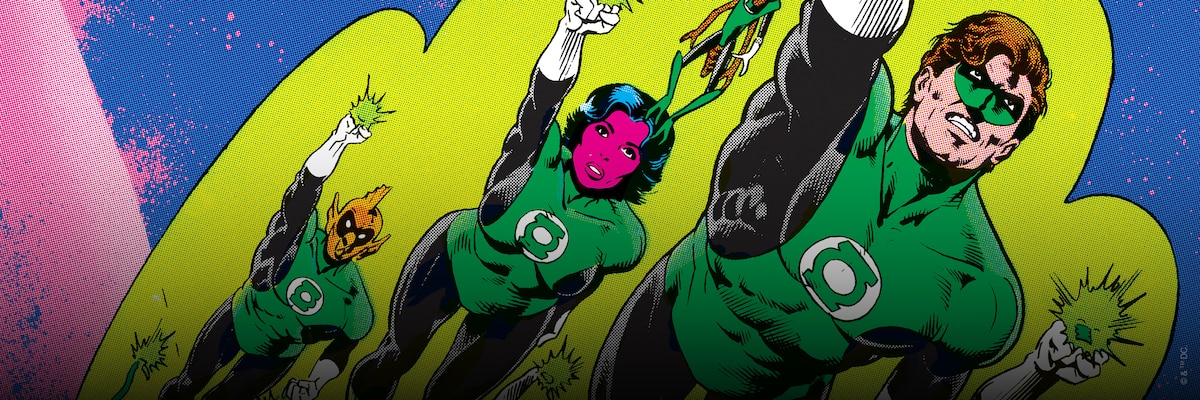
With Kyle Chandler’s Hal Jordan winning tons of new fans on HBO’s Lanterns, the test pilot turned Green Lantern is more popular than ever. There are plenty of comic runs for newcomers interested in learning more about him to turn to—from Neal Adams and Dennis O’Neil’s socially conscious Green Lantern/Green Arrow to writer Geoff Johns’ hit 21st century take on the character. But one storyline that’s often overlooked is the original 1981 Tales of the Green Lantern Corps, the very first Green Lantern limited series. Collected on DC UNIVERSE INFINITE along with the two annuals it spawned, the short series serves as an important step in the evolution of both Jordan and the Corps, while providing an entry point into the Lanterns’ mythology for readers of all ages.
The Premise:
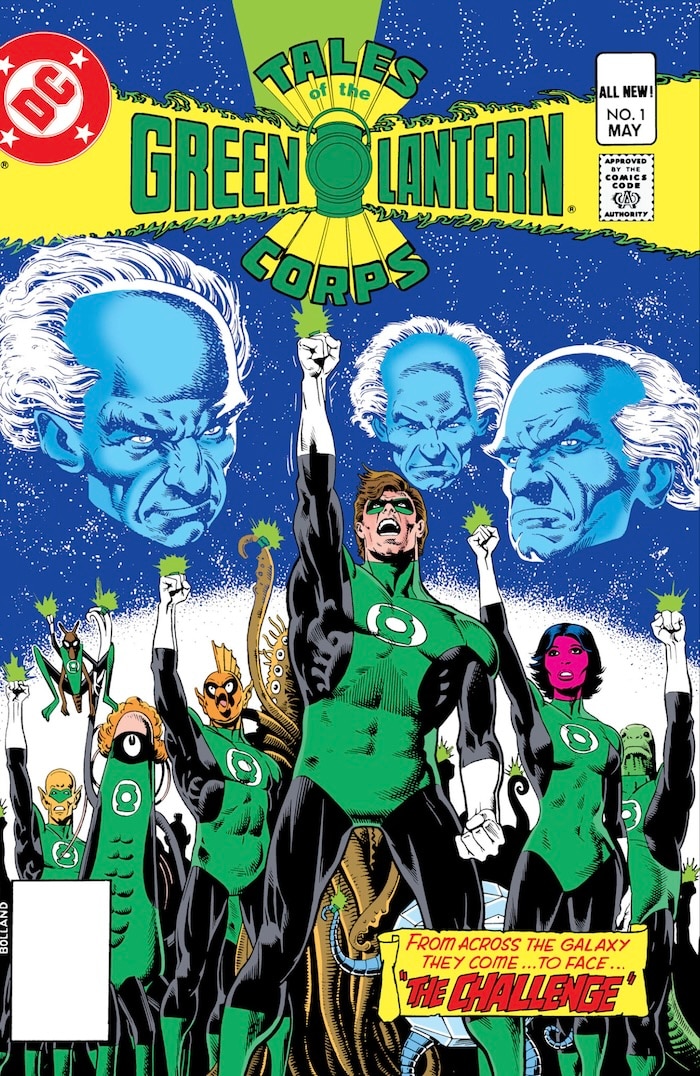
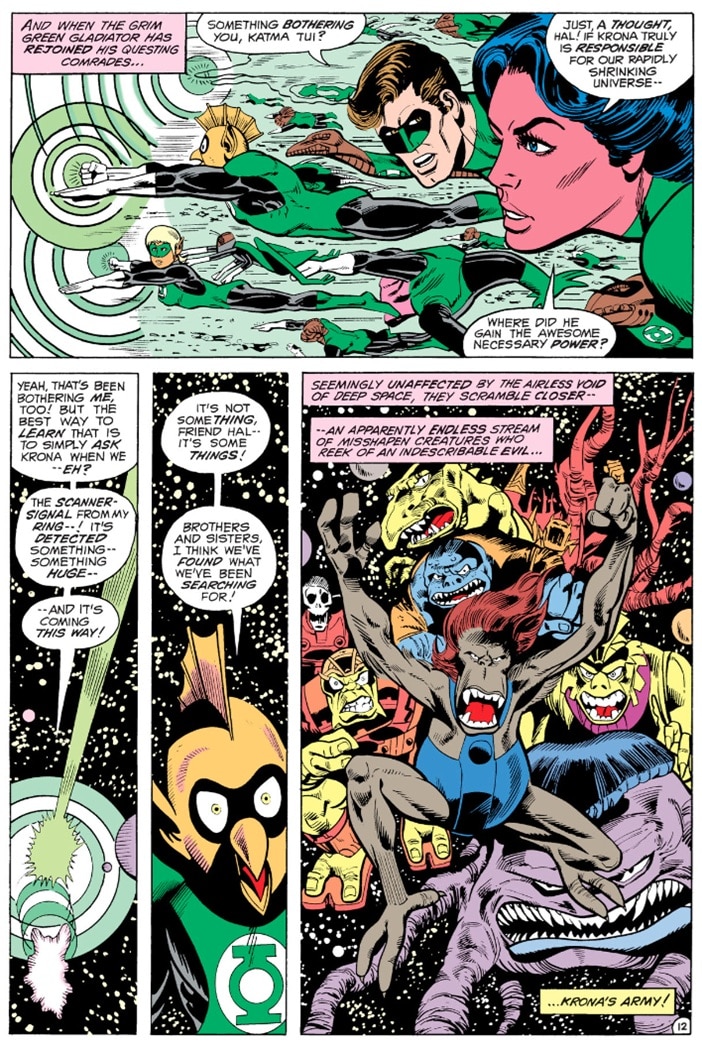
All 3,600 members of the Green Lantern Corps are called to Oa, the homeworld of their bosses, the Guardians of the Universe, where they learn a new threat has arisen. It seems Krona—the Oan scientist whose research into the universe’s origins unleashed the original evil that prompted the Guardians to form the Corps—has returned from the energy state to which he was once banished. Now he’s out for revenge against the Guardians and dead set on destroying the universe.
While charging their rings to combat Krona, the Lanterns’ gigantic Central Power Battery is destroyed and many of them are killed. The surviving Lanterns head off to battle Krona while the Guardians set about repairing a tear in the fabric of space created by Krona’s secret master, who’s supplied him with an army of creatures from throughout the cosmos. With less than 24 hours of charge remaining on their power rings, the Lanterns face the fight of their lives.
Let’s Talk Talent:
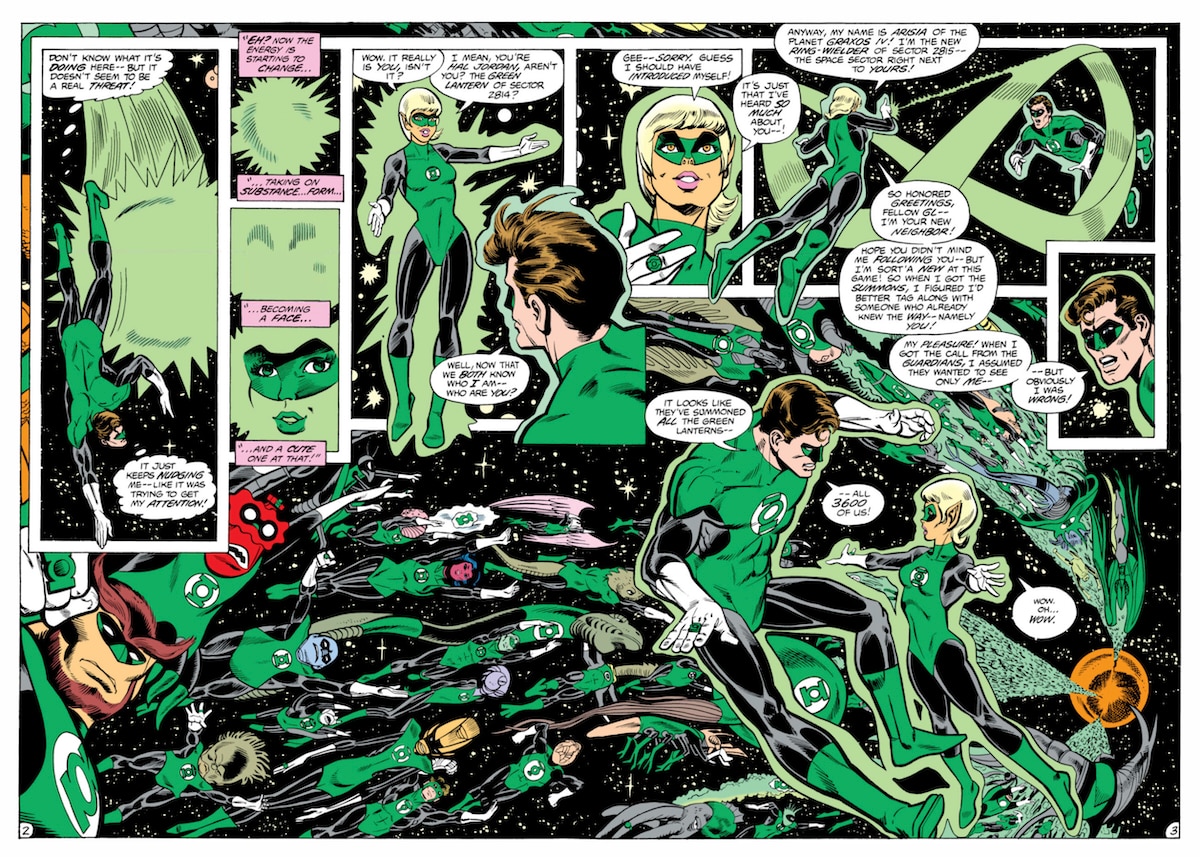
Tales of the Green Lanterns Corps is scripted by DC stalwart Len Wein, who would later pen a fondly remembered year-long run on Green Lantern (with art by Watchmen’s Dave Gibbons) that culminated with John Stewart succeeding Hal as Earth’s Lantern. The book’s plot comes courtesy of a young Mike W. Barr, who would pen the first DC maxi-series—the twelve-issue Camelot 3000—the following year.
Tales’ art is penciled by Joe Staton and inked by Frank McLaughlin. Staton, then at the peak of his career, had begun penciling the monthly Green Lantern two years prior and he’d remain with the title throughout most of the ‘80s (most memorably when it became Green Lantern Corps in 1986). His cartoony style is a far cry from later realistic Lantern artists, but Staton’s endless versatility makes him capable of drawing any Lantern imaginable. Among his co-creations are Arisia (introduced in this series), Kilowog and the Omega Men. He also gave Guy Gardner his iconic bowl haircut.
The book’s covers are some of the earliest DC work by Brian Bolland, who’d later illustrate Camelot 3000 and The Killing Joke. It’s stupefying to see how good Bolland’s art already looked at this point in his career.
A Few Reasons to Read:
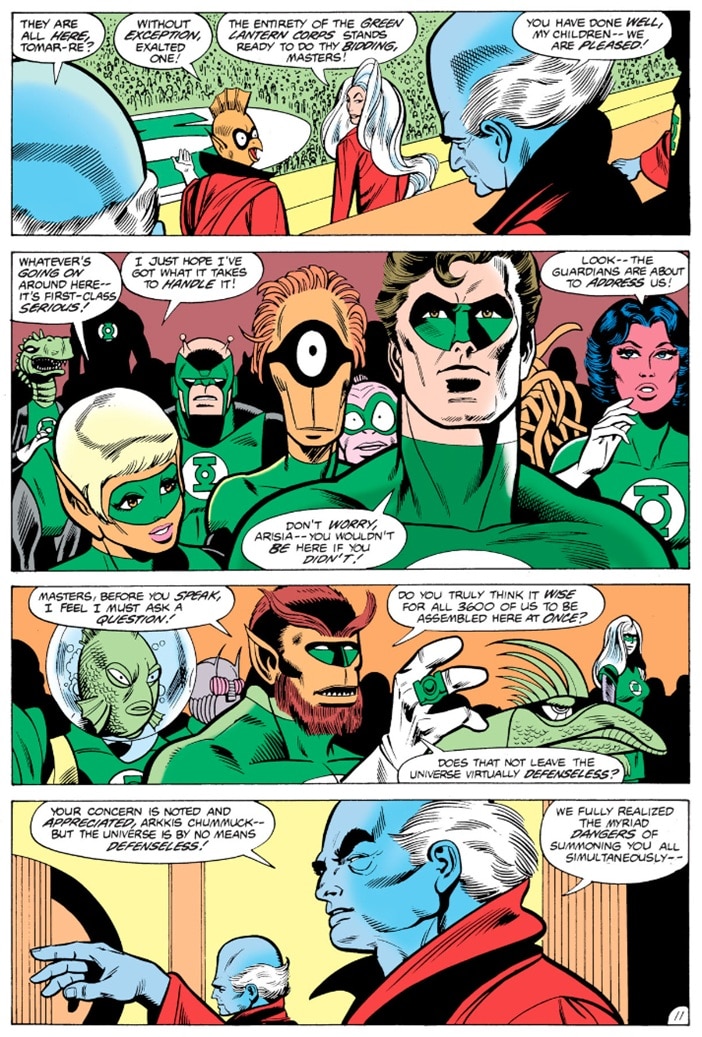
- Tales of the Green Lantern Corps serves as a missing link between the Green Lantern of the ‘60s (by John Broome and Gil Kane), in which the focus was squarely on Hal Jordan, and the Modern Age/post-Crisis on Infinite Earths era, in which numerous other Lanterns were introduced. Some of those other Lanterns received titles of their own.
- New readers will be happy to find this limited series retells Hal Jordan’s origin as well as that of the Corps itself.
- Though it runs only three issues, Tales is the original Green Lantern Corps multi-part epic, in which various members of the Corps are showcased in a story requiring all of their efforts. A “Tales of the Green Lanterns Corps” back-up story soon began running in the monthly Green Lantern title, each installment focusing on a different Lantern.
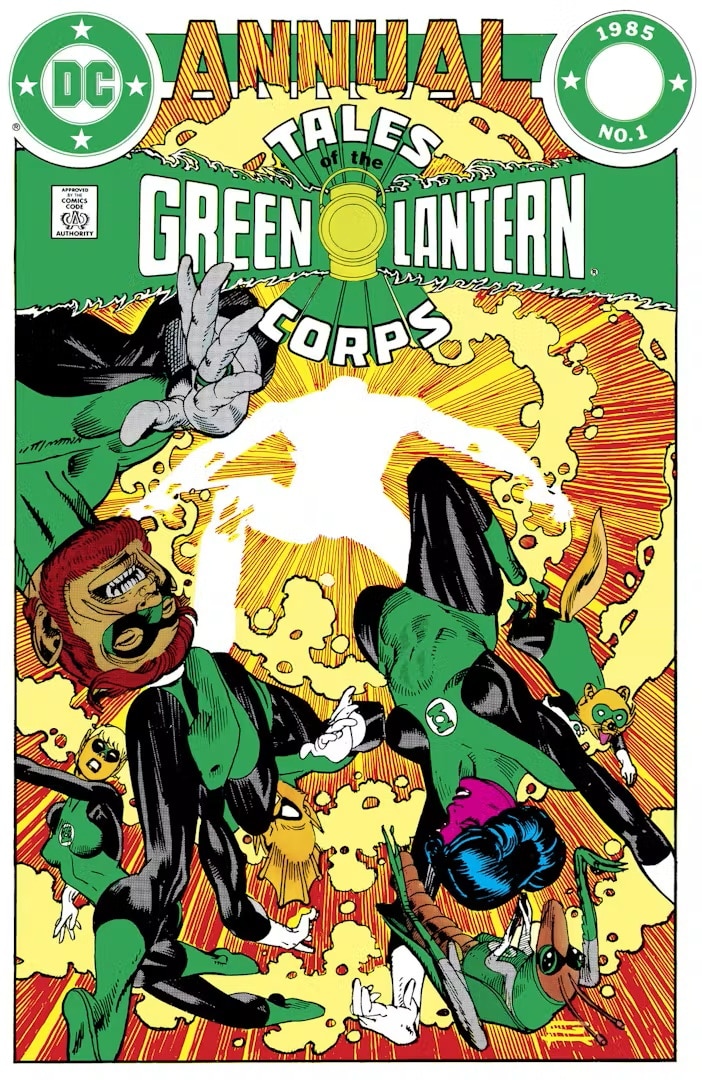
- In addition to the three-issue limited series that bears its name, DC UNIVERSE INFINITE’s Tales of the Green Lantern Corps collection includes two annuals, again featuring the entire Corps. The first includes memorable work from legendary Green Lantern artist—and Hal Jordan co-creator—Gil Kane. The second features writer Alan Moore’s first Green Lantern story, focusing on Hal’s predecessor as Earth’s protector, Abin Sur.
- This book introduces—*spoiler alert*—Nekron, as Krona’s secret master. This lord of the dead would later become the principal antagonist of what remains the most epic Green Lantern tale to date: 2009’s Blackest Night. Nekron’s penchant for pitting the deceased loved ones of his enemies against them is also introduced here.
- And Nekron, it should be said, looks creepy as hell. His decaying skeletal design is more reminiscent of Steve Bissette and Jon Totleben’s work on writer Alan Moore’s Swamp Thing than anything Staton had previously illustrated for DC.
Why It’s Worth Your Time:
Lanterns is an instant hit, though its take on Hal Jordan is a darker, more cynical one than that familiar to most comic fans. Fans who wish to balance that darkness with Green Lantern’s light should check out Tales of the Green Lantern Corps. It offers a more traditionally heroic Hal, while showcasing the diverse assortment of Lanterns that would make the Corps one of DC’s most popular teams in the decades that followed and transform Green Lantern into one of DC’s biggest characters, culminating in the successful new series.
Tales of the Green Lantern Corps by Len Wein, Mike W. Barr and Joe Staton is available in a softcover graphic novel that may be available in bookstores, comic shops, libraries and digital retailers. However, the simplest way to read this classic limited series is on DC UNIVERSE INFINITE.
Joseph McCabe writes about comics, film and superhero history for DC.com. Follow him on Instagram at @joe_mccabe_editor.
NOTE: The views and opinions expressed in this feature are solely those of Joseph McCabe and do not necessarily reflect those of DC or Warner Bros. Discovery, nor should they be read as confirmation or denial of future DC plans.