Greetings, I’m Alex Jaffe, better known to the DC Community at large and the official DC Discord server as HubCityQuestion—the world’s third-smartest man, specifically in the realm of DC Comics trivia. (Number one is Mark Waid, and two is Bob Rozakis, if you’re asking.) Every month—and really, every day in fact—I make myself available to help you lift the veil of mystery as it pertains to the DC Universe, answering your questions and increasing your understanding of all things DC. Here are just a few of the questions I’ve received over the past month, with answers that I hope will enrich your lives just a little bit more. Let’s get to work.
Nerdking Morgan asks:
Is it canon that Superman and Lex used to be friends?
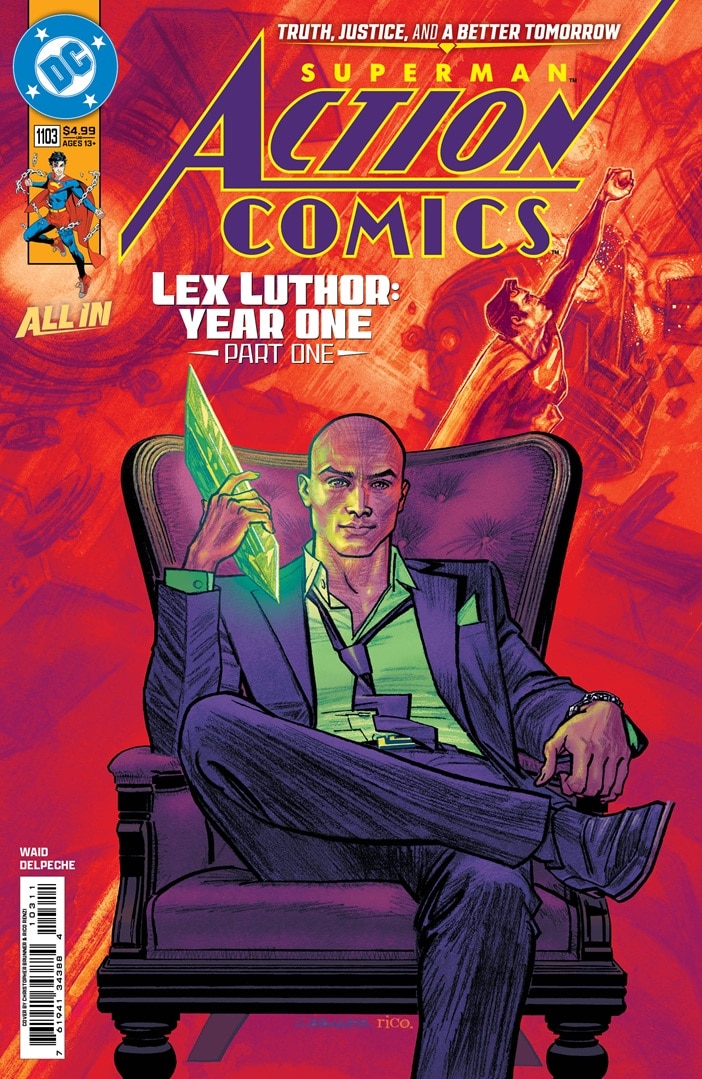
Funny you should ask, Morgan. Lex Luthor’s early life is in fact the subject of the currently ongoing “Lex Luthor: Year One” storyline, which can be found right now in Action Comics starting in October’s issue #1103. Although we haven’t seen them cross paths in their respective childhoods as of this writing, it certainly seems like it’s headed in that direction.
Historically, though, they have been important figures in each other’s early lives for quite some time. My colleague Joshua Lapin-Bertone has previously written a great roundup of every iteration of Lex and Clark’s first meetings over the years, many of which included a boyhood friendship until tragedy and misunderstanding set them apart. The classic Silver Age story is that Luthor lost his hair in a lab accident while trying to work on a cure for Superboy’s kryptonite weakness and has blamed his former friend for that ever since. We’ll see how the current iteration of their history together plays out over the coming months.
StarGrando asks:
When was it confirmed that the Vertigo books take place in an alternate universe?
The separation of the continuity of the Vertigo books of the ’90s and ’00s and the mainline DC Universe is something I’m asked about fairly often, so please allow me clear up a few common misconceptions here:
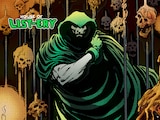
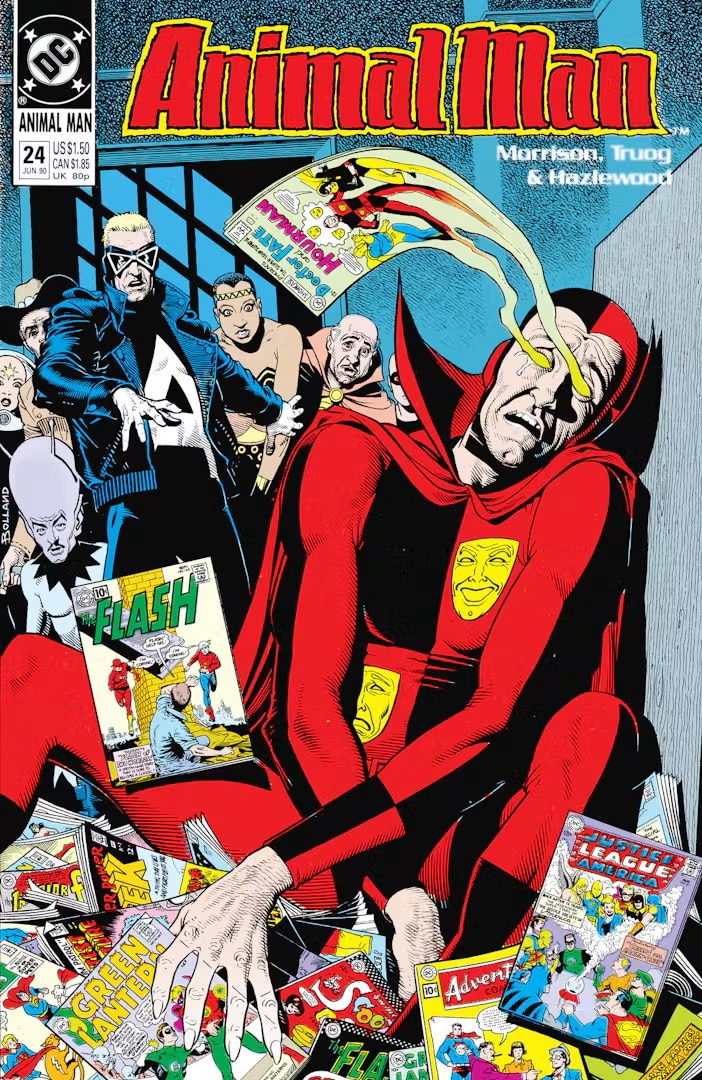
First, the Vertigo line of comics featuring characters who originated in the DC Universe such as Animal Man, Swamp Thing, Doom Patrol and Shade the Changing Man were NEVER, at least during publication, considered part of an “alternate universe.” This is a misconception built on a general rule of practice that the events which took place in the titles under one branch of the company would not be regularly referenced in another, as a policy to keep young readers from potentially straying into mature-rated titles.
Despite this often-cited “rule,” however, characters from the DC Universe branch and the Vertigo branch alike NEVER fell fully out of contact with one another. Though references were applied sparingly, Swamp Thing would continue to occasionally appear in titles such as Batman in the ’90s, the events of The Sandman would greatly affect the story of Geoff Johns’ JSA, and the late period Vertigo series Madame Xanadu relied heavily on established history of DC continuity. It would be more accurate to think of the Vertigo subgroup of mature-leaning hero characters as estranged, but not separate.
Mari asks:
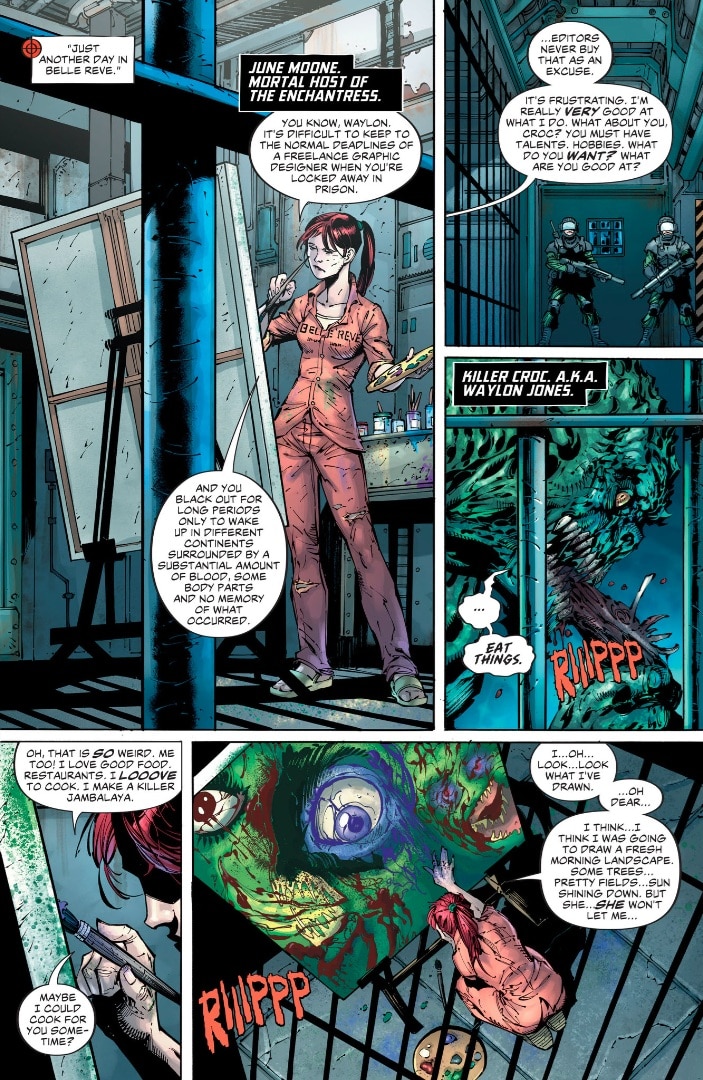
Is there an in-universe reason why June Moone in Rob Williams’ Suicide Squad is a graphic designer? I thought she was an archaeologist. Adding onto that, how did a graphic designer like June Moone get the Enchantress?
The truth here is that June Moone’s graphic designer background in the 2016 Suicide Squad series is actually closer to her original comics origin than her backstory as an archaeologist, which was invented specifically for David Ayer’s Suicide Squad film. Back in her original story from 1966’s Strange Adventures #187, June was depicted as a freelance artist who attended a party at a haunted castle and was drawn to a secret chamber by a demonic entity who granted her the power to transform into a powerful witch. Later, in John Ostrander and Kim Yale’s Suicide Squad series of the 1980s, we would learn that June was being manipulated as a pawn in an ongoing war for control of a realm known as the Nightshade Dimension. Williams merely updated “freelance artist” to “graphic designer,” as, well…that’s what most freelancers with art degrees tend to work in now.
WonderPhoebe asks:
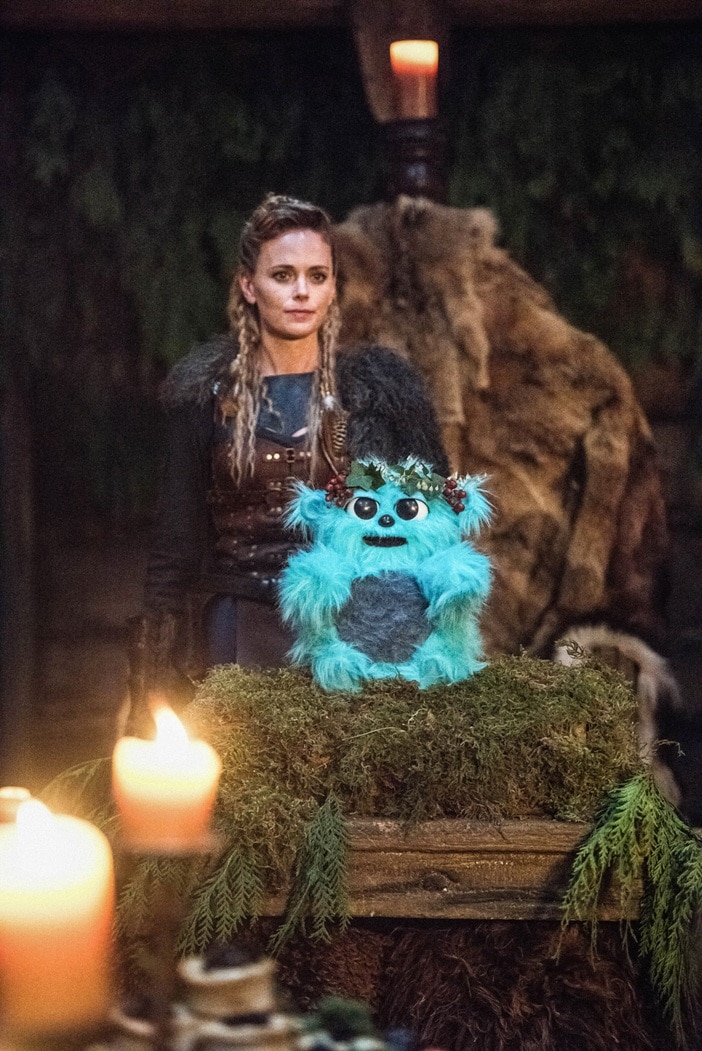
Can I buy a real Beebo in 2026?
The hottest holiday toy of the Arrowverse was sadly never made available for retail during the run of its show of origin, Legends of Tomorrow. However, twenty Beebos were made as crew gifts for people who worked on the show. So, if you wu-wu-wuv Beebo enough, there may be one waiting for you out there on the secondary market someday.
Agent of A.F.K. asks:
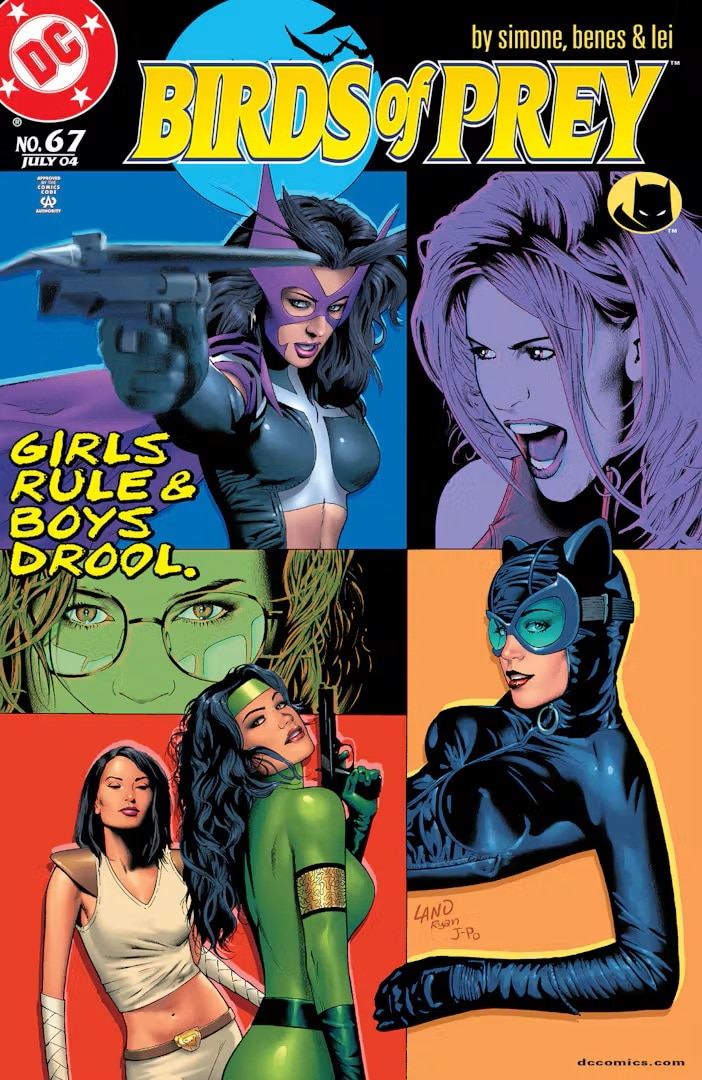
Has there ever been a male member of the Birds of Prey?
While Oracle and Black Canary’s rolodex of heroes they can call on for covert ops tends to run heavily female, merely due to the tight-knit sisterhood within the DC superhero community, it doesn’t do so exclusively. Early in their run, heroes like Nightwing, Ted Kord and Connor Hawke would occasionally team up with an assist, but to call them full-fledged members would be a bit of a stretch. The Birds’ first consistent male allies were Savant and Creote in Gail Simone’s initial run on the title, two former enemies who became dependable assets after their initial conflict. Whether or not you’d consider them full “members” is a matter of opinion—they didn’t keep an official charter.
The first unquestionable, costumed and codenamed male member of the team came along in the 2010 Birds of Prey relaunch, as Hank Hall and Dawn Granger joined the roster by leaning into the bird theme as Hawk and Dove, up until 2011’s Flashpoint reset continuity. Hank would be followed in the New 52 Birds of Prey series by former NSA agent Ben Reyes, alias Condor, who stuck around with the team for just under two years, and then disappeared when the series was canceled.
2016’s Batgirl and the Birds of Prey would introduce Gus Yale to the team, a successor to Barbara Gordon’s role as Oracle while Babs was back in the field as Batgirl. Gus was killed by a villain named Burnrate a year and a half into the run.
Lastly, I’ll throw out an honorable mention to John Constantine. Like Savant and Creote before him, whether you’d call him a full-fledged member of the team or not is subjective, but he’s enough of a constant presence in Kelly Thompson’s Birds of Prey run that I’m personally inclined to include him. Also, because I think it’s funny.
damecca asks:
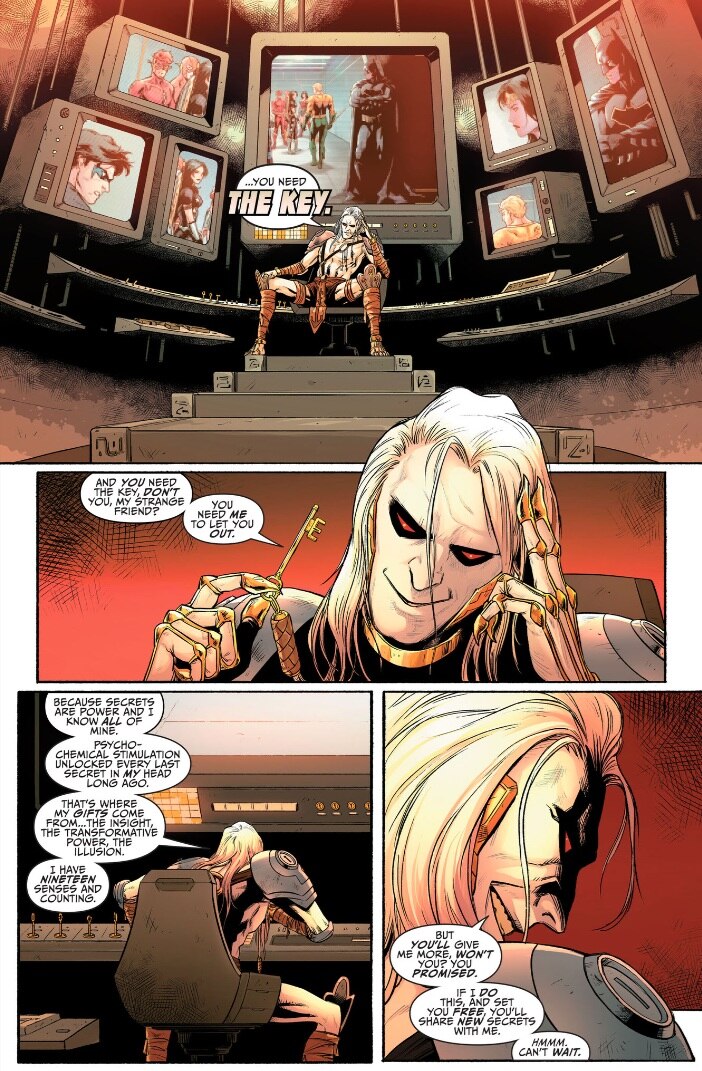
Just reading Titans Rebirth. At the end of Volume 2, the Key dips out rather than face the combined might of the Titans and the Justice League. Where does he pop up next?
After evading the Titans here, the next place we see the Key pop up is in Deathstroke’s Secret Society of Super-Villains around the period of Dark Crisis. But to follow him to his next personal grand scheme, head on over to June 2026’s Justice League: Dream Girls event, where the Key pursues Dreamer as his goal to greater ambitions.
AJ 4.0 asks:
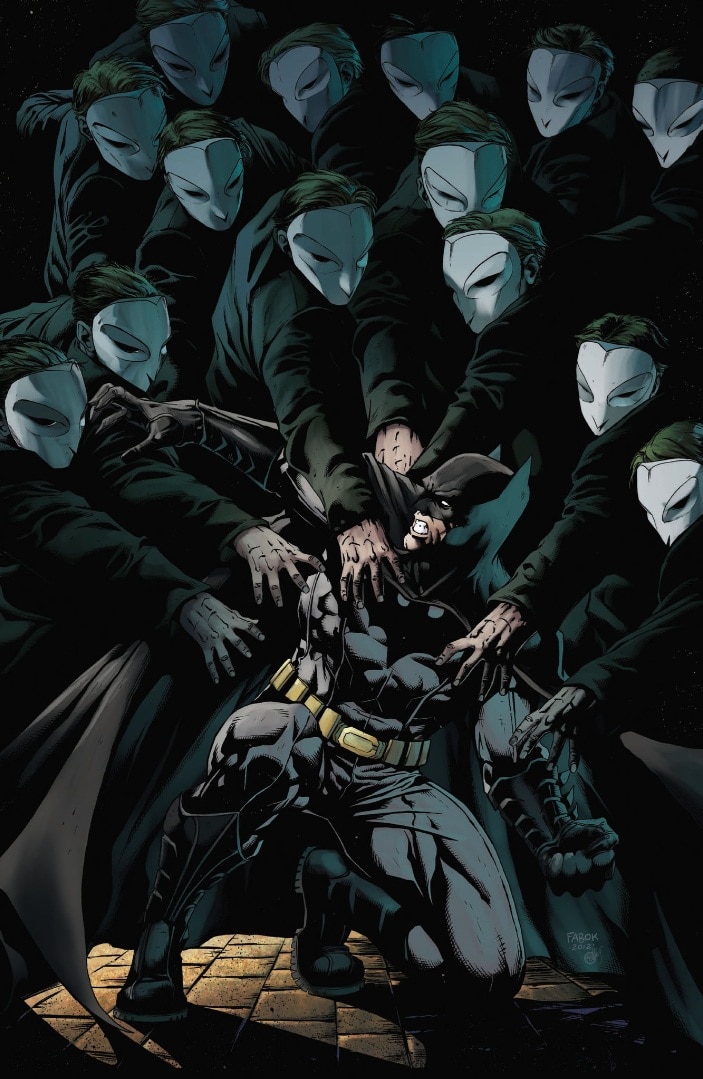
So...why do the Court of Owls worship Barbatos, a Bat God, and not Stolas, an owl demon? Not even Stolas, simply any bird-esque member of the Ars Goetia could work.
Looks like we’ve got a demonologist writing in today. As usual, questions of “why” tend to be the trickiest to answer, but I’ll try my best to approach this with both narrative and canonical explanations.
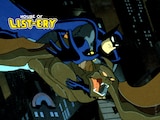
First, I would draw your attention to the writer of Dark Nights: Metal, where the connection between Barbatos and the Court of Owls was established. That would be Scott Snyder, creator of the Court way back in the first storyline of the New 52 Batman series. Metal was written to represent the pinnacle of Snyder’s work on Batman up to that point, culminating with his evolution from a man lost within his own city to a figure at the center of the multiverse. (Of course, he had no idea at the time how much more work with Batman he had left to do.) So, what better way to bring that work full circle than to reintroduce the Court of Owls, his early memorable contribution to the Batman mythology, to this deity who represented the potent symbology of the bat, as previously established in the work of Peter Milligan and Grant Morrison?
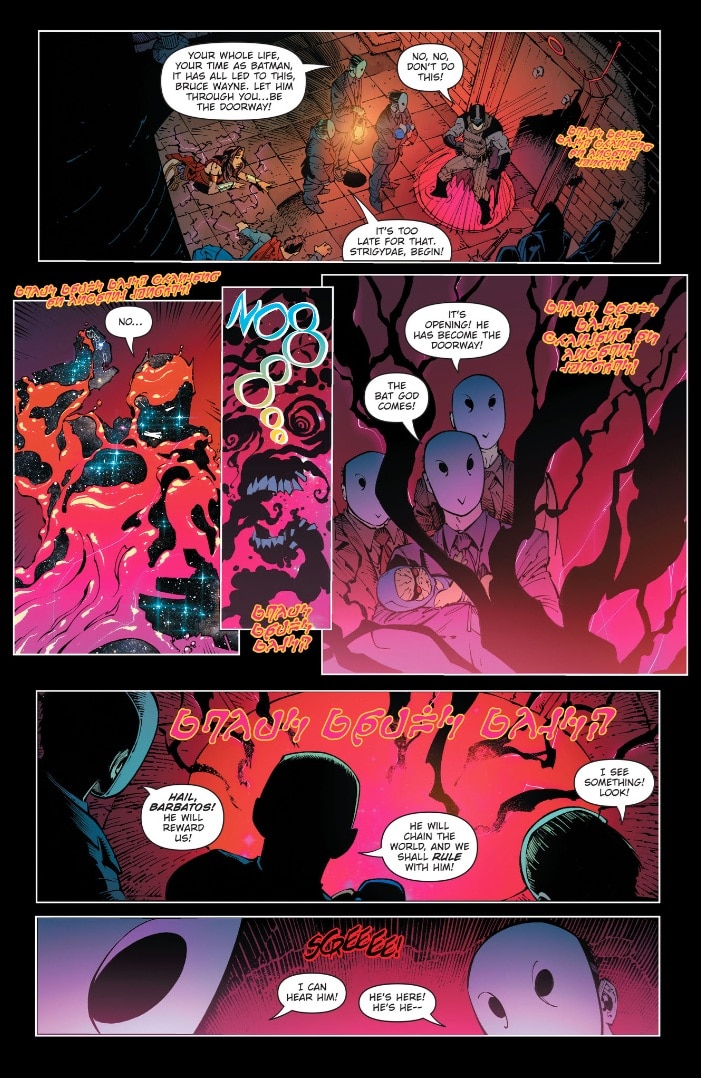
When drawing this connection, I don’t really think Snyder was considering what Barbatos meant in terms of classic demonology, though that may well be what Milligan and Morrison had in mind. Rather, he was connecting two potent ideas in Batman’s own mythology for this great push of Batman himself as an inalienable icon.
In-universe, the explanation of why a bird-based cult would worship a bat devil can also be traced back to Morrison’s work in Batman: The Return of Bruce Wayne, as well as Snyder and James Tynion’s in both Metal itself and its short-lived spin-off, The Immortal Men. Explored here is an idea that the first four great clans of early humanity were governed by the spirit of the Bird Tribe, the Bear Tribe, the Wolf Tribe…and, above them all, the Bat Tribe. Here, this fealty of owl to bat suggests a connection to that hierarchy dating all the way back to the dawn of man.
And with that, I am way over the allotted space I have for this column every month. Come on down to #ask-the-question over in the DC Discord server and you can check out all the great questions we didn’t have time to address—and ask a few of your own! I am, until the day Barbatos claims me, at your beck and call should you ever ASK…THE QUESTION.
Alex Jaffe is the author of our monthly "Ask the Question" column and writes about TV, movies, comics and superhero history for DC.com. Follow him on Bluesky at @AlexJaffe and find him in the DC Official Discord server as HubCityQuestion.
NOTE: The views and opinions expressed in this feature are solely those of Alex Jaffe and do not necessarily reflect those of DC, Warner Bros. or Skydance, nor should they be read as confirmation or denial of future DC plans.