Volker Bertelmann has composed many soundtracks, but Clayface presented an interesting challenge. The new DC Studios movie seems to live in two genres at once—superhero and horror—which impacted the way the Academy Award-winning composer approached it. How do you capture the musical tones of Gotham City, and how do you write a theme for a man who is in a constant metamorphosis?
If you’ve seen Clayface, you know that not only was Bertelmann up to the task, but he went above and beyond, creating a highly memorable soundtrack that taps into Matt Hagen’s unstable and often changing nature. We recently sat done with Bertelmann to discuss how the score came together, what it was like blending genres, and his working relationship with film director James Watkins. Let’s dive in…
Clayface occupies an interesting space where it exists as both a comic book film and a horror film. Did that dichotomy change the way you approached composing the movie?
Yes, it did, because the music has to serve several aspects simultaneously. It needs the quirkiness of a comic book, the darkness and tension of a horror movie, but Clayface also needed a romantic theme for the love story. I think that combination makes the film balanced and entertaining.
Which scene was the most challenging to score, and how did you approach it?
I would say the first challenge was finding the main Clayface theme, which also had to represent the villainous aspects of Gotham City. Finding the right tonality took me a while. The romantic theme also went through quite a bit of back and forth to make sure it remained connected to the darkness of the movie.
Another challenge was the airplane scene, where it was important not to foreshadow the horror.
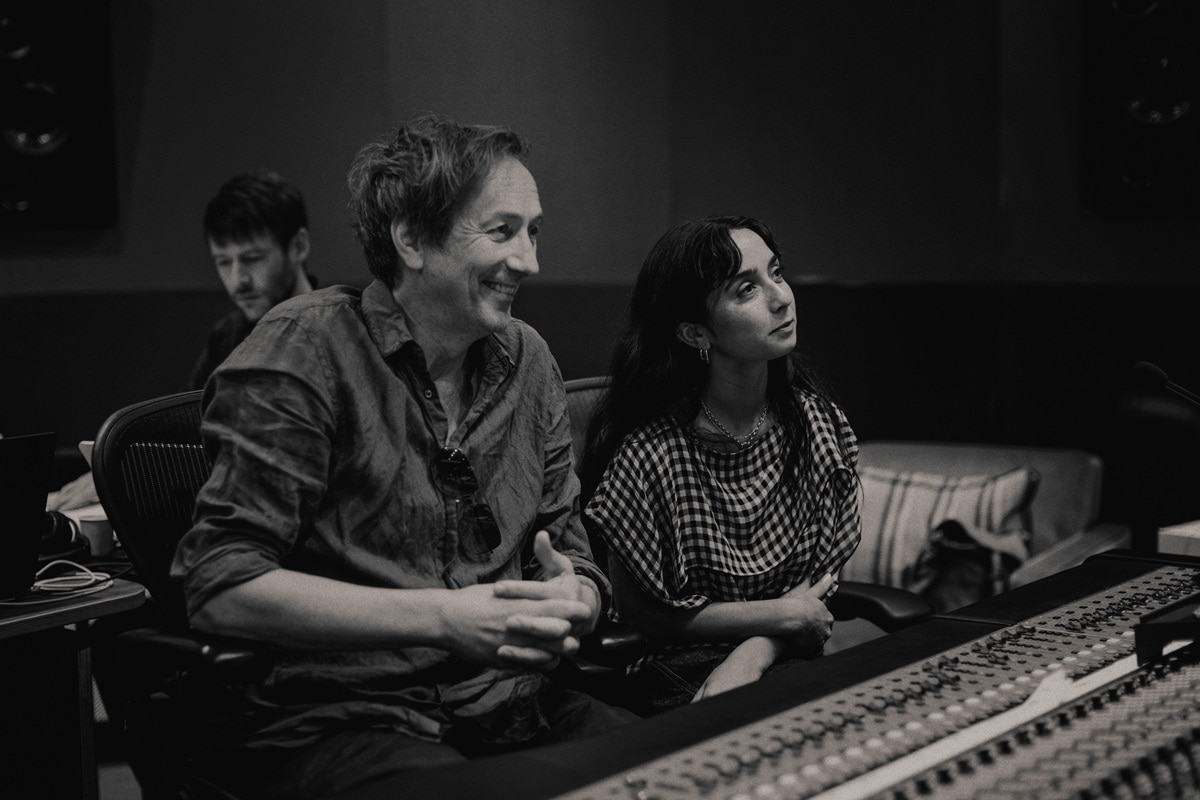
Volker Bertelmann alongside “If You Need Me Now” vocalist Jasmine Jethwa (Photo: Ben Ealovega)
The song “If You Leave Me Now” is a recurring theme throughout the film, and you produced a cover of it for the soundtrack. Why that song, and how does it reflect Matt’s tragic story?
That song plays when Matt and Caitlyn first meet. In a way, it marks the beginning of their relationship. James Watkins loved the idea of using the song again at the end in a more electronic version, almost like a dreamlike reflection of the song we heard in the laboratory at the beginning of the film.
And the way Jasmine sings the piece is beautiful and airy.
As the film progresses, Matt loses more of himself as his body becomes more malleable. Did you do anything with Matt’s theme or the overall score to reflect this progression?
Yes, we called this the “Nano Theme,” which features a lot of electronic sounds that describe the biological process of the nanos taking over Matt’s brain and crossing the blood-brain barrier. There is also a high, whistling violin sound that represents the peak of this biological process as it crosses over into violence.
I love these kinds of sound collages.
What did the collaboration with James Watkins look like day to day?
Working with directors who allow you to develop your own vision first and then respond to it is a blessing for a musician. James Watkins is that kind of director. He encouraged me to bring my own vision to the table, integrated it into his vision, and then we fine-tuned the cues together.
Not to forget Jon Harris, who is an amazing editor. The three of us—Jon, James and I—had many discussions about our impressions of the music, and they both gave me their notes.
This kind of collaboration enhances the excitement and the creative process of discovering new ideas. It's an ideal situation.
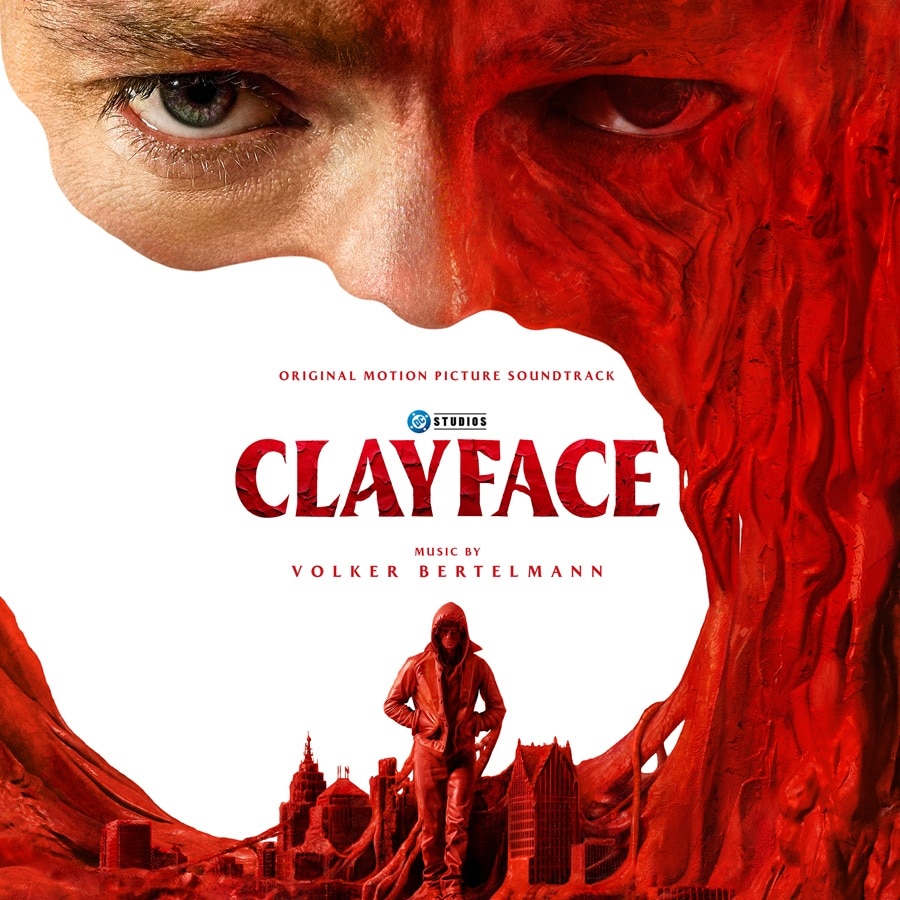
Clayface – Original Motion Picture Soundtrack is now available for purchase and streaming.