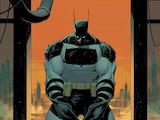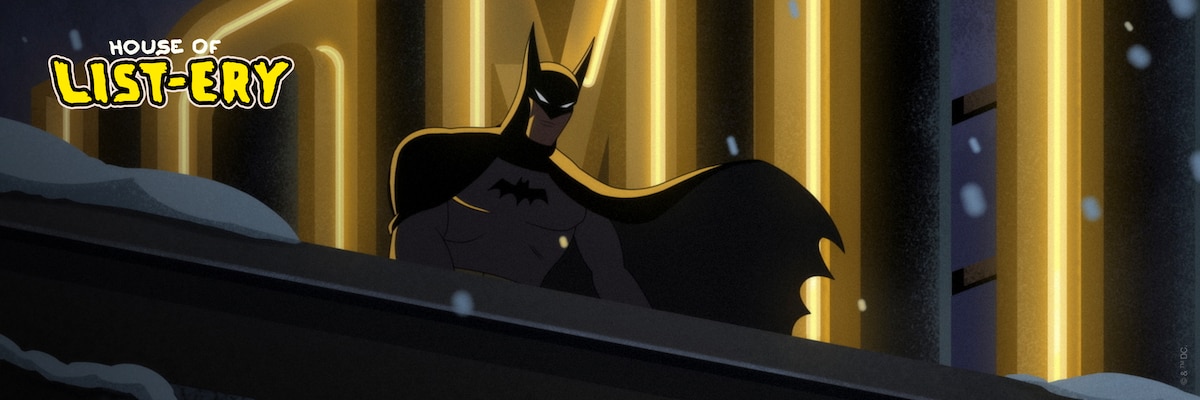
There’s a lot for devoted Batman fans to enjoy in Prime Video’s animated hit Batman: Caped Crusader: its period setting, its noir visuals and the pulp sensibility that executive producer Bruce Timm brings to each episode. But any Batman series—be it in comics, film or TV—lives or dies by its villains. Thankfully, Caped Crusader offers a number of memorable ones. Some are bold new takes on established favorites, while others are deep cuts given vibrant new life. (King Tut, anyone?) Here are five favorites from the show’s first two seasons…
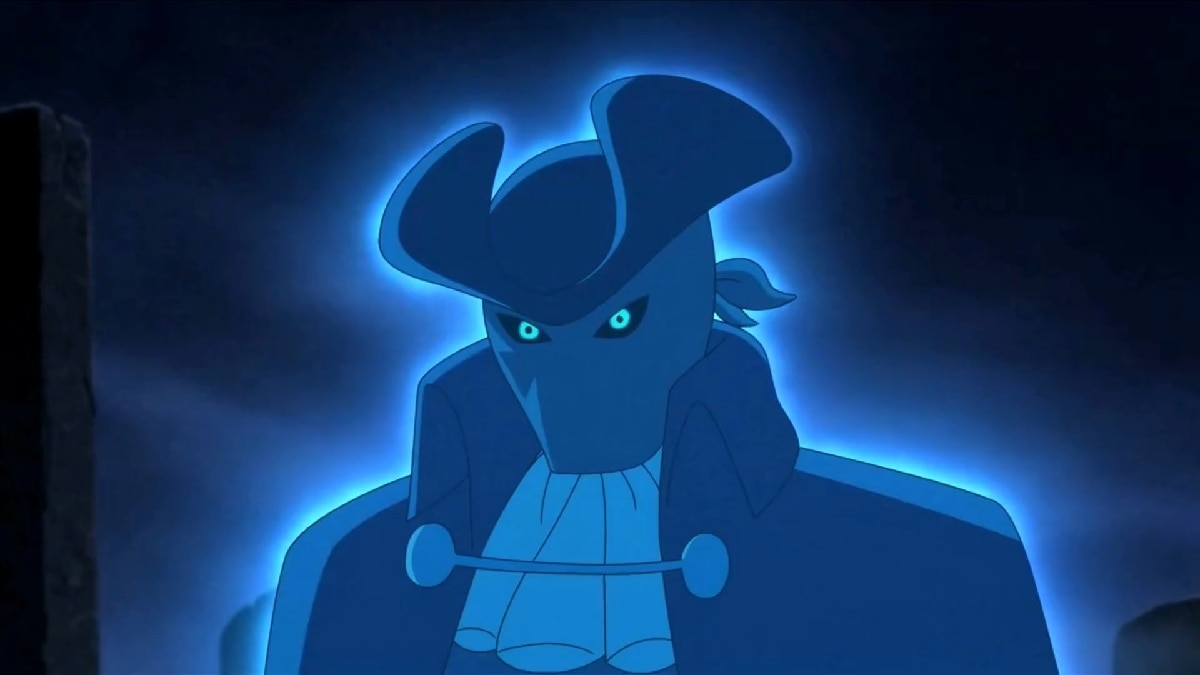

Gentleman Ghost
Gentleman Jim Craddock began his career of crime back in October 1947’s Flash Comics #88 (written by Robert Kanigher and penciled by Joe Kubert) as a human who used his smarts to impersonate a ghost. But he’s best known today as a Batman villain. The Gentleman Ghost first tangled with the Dark Knight in April 1979’s Batman #310, where it's suggested he may indeed be a spectral apparition. In Caped Crusader’s first season episode “Night Ride,” he’s a full-blown, centuries-old spirit, ironically relevant to current social issues. Like Batman, Craddock is a lone nocturnal crusader, albeit one who targets rather than defends the underprivileged. A staunch loyalist during the Revolutionary War, the Headless Horseman-esque figure seeks to reclaim Gotham for the aristocracy—making him the undead embodiment of 21st century white privilege.

Two-Face
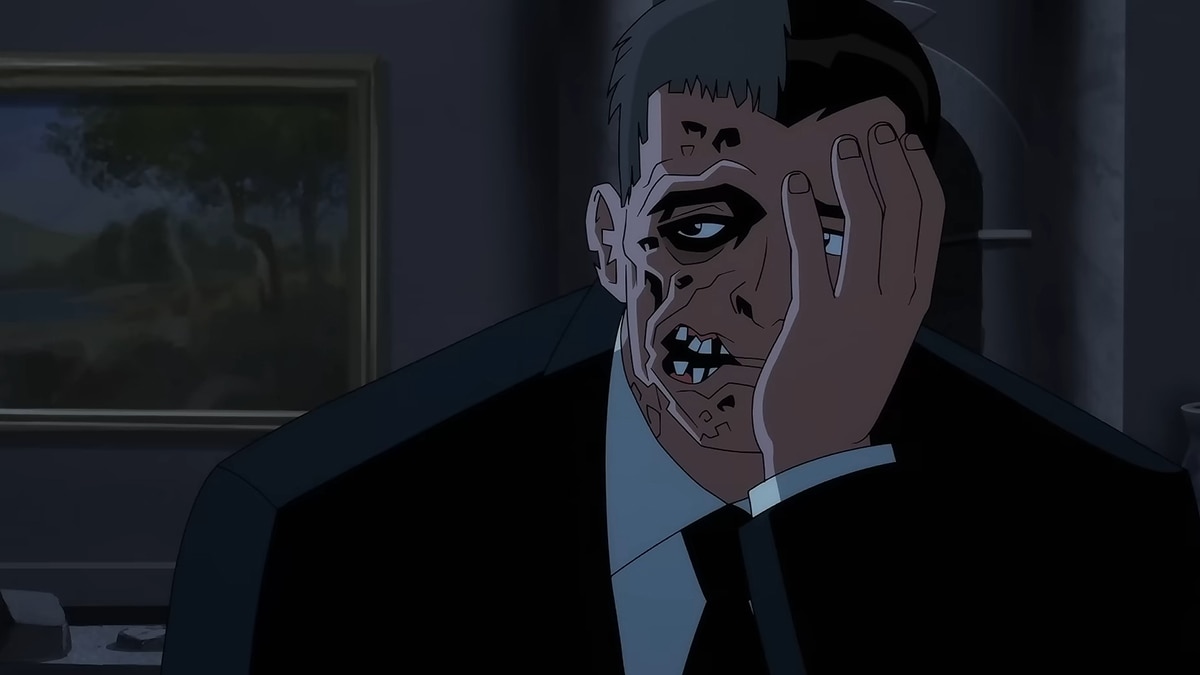
Another opposite reflection of Bruce Wayne is his perennial friend-turned-foe Harvey Dent, aka Two-Face, who first appeared in August 1942’s Detective Comics #66. A longtime favorite supervillain, Dent is developed throughout Caped Crusader’s first season and earns the spotlight he gets in the two-part season finale (the aptly titled “Killer Inside Me” and “Savage Night”).
Voiced by Diedrich Bader (who memorably portrayed Batman: The Brave and the Bold’s Dark Knight), his origin receives a Faustian facelift when District Attorney Dent accepts money from crime boss Rupert Thorne for his mayoral campaign. But when Dent refuses to surrender all of his principles, his kisser takes an unwanted acid bath. The resulting design of Two-Face’s countenance is less the mutant he’s often portrayed as and more of a tossed jigsaw puzzle. It perfectly captures Dent’s scattered conscience, which allows him to express remorse for the murders he commits in retribution against Thorne, even as his bipolar disorder sentences him to a life of violent outbursts.

The Spectre
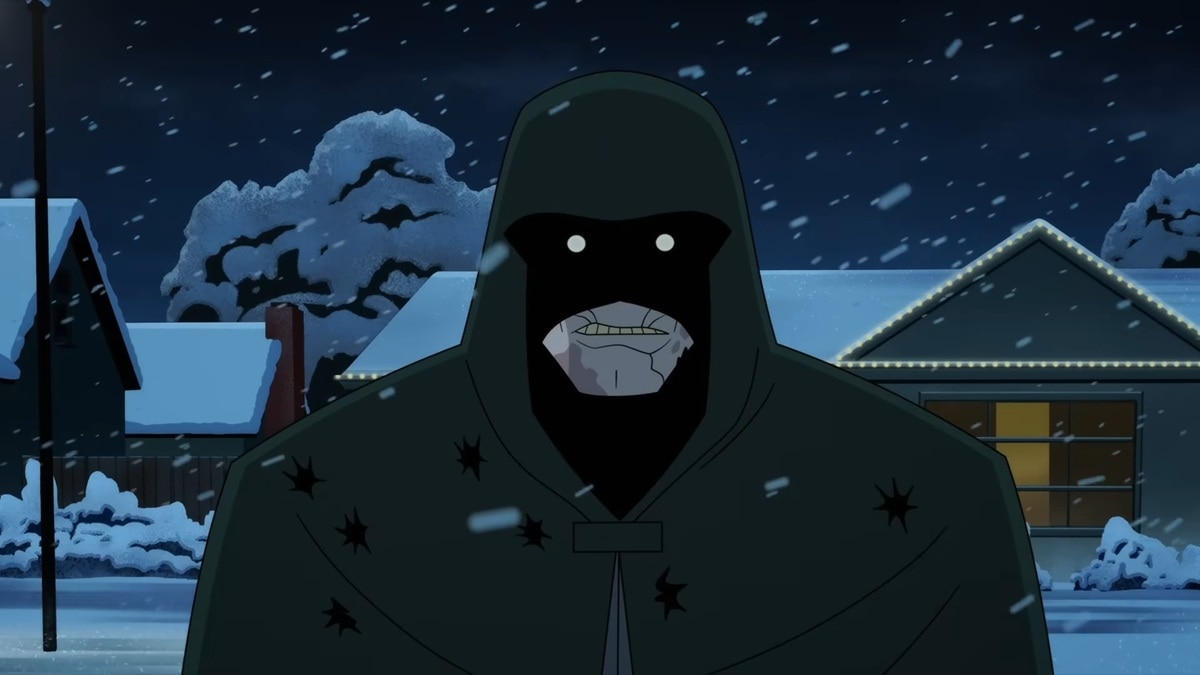
Perhaps Caped Crusader’s most radical departure from an established character’s persona can be found in the second season’s “Spectral Hand,” which offers a new take on the Spectre. The character first appeared in February 1940’s More Fun Comics #52 (written by Jerry Siegel and penciled by Bernard Bailey) and first teamed up with Batman in December 1967’s Brave and the Bold #75. Usually portrayed as murdered cop Jim Corrigan turned host for a godlike spirit of vengeance, in Caped Crusader, he’s a police officer turned undead hit man. Once captured and imprisoned, he volunteers for an experiment in life expansion in exchange for a shortened sentence. When the experiment fails, Corrigan’s killed and resurrected as a zombie-like creature intent on murdering those who set him up. The reason this simplified, more earthbound origin works for the antihero is its ties to the show’s Barbara Gordon, who’s haunted by her own demons and dead set on taking down the man who once tried to execute her.

Thorn
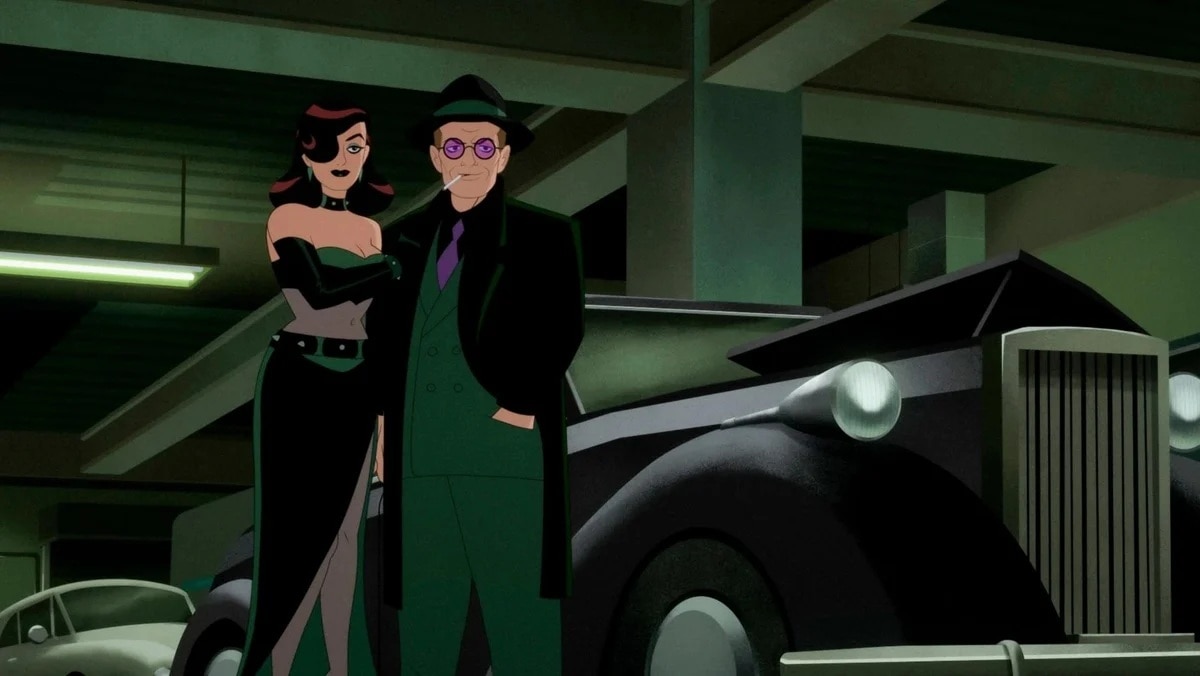
This thorn cuts deep… Created for November 1947’s Flash Comics #89 (by writer John Broome and artist Carmine Infantino), Thorn began her career as Rose Canton, a woman suffering from Dissociative Identity Disorder, the dark side of which could control plants. In October 1970’s Lois Lane #105, however, she was rebooted as Rose Forrest and earned her own backup strip as the daughter of a police officer killed by gangsters whose bad self seeks vengeance by night. (A variation on this origin surfaces in the New 52 era reboot title, National Comics: Rose & Thorn #1.) Caped Crusader uses much of this more recent, less supernatural origin. Here, the gang is headed by the Riddler, whom Thorn cuddles up to as she exacts her revenge. Like Batman and so many of his enemies, Rose reveals that sometimes, all it takes is one bad day.

The Joker
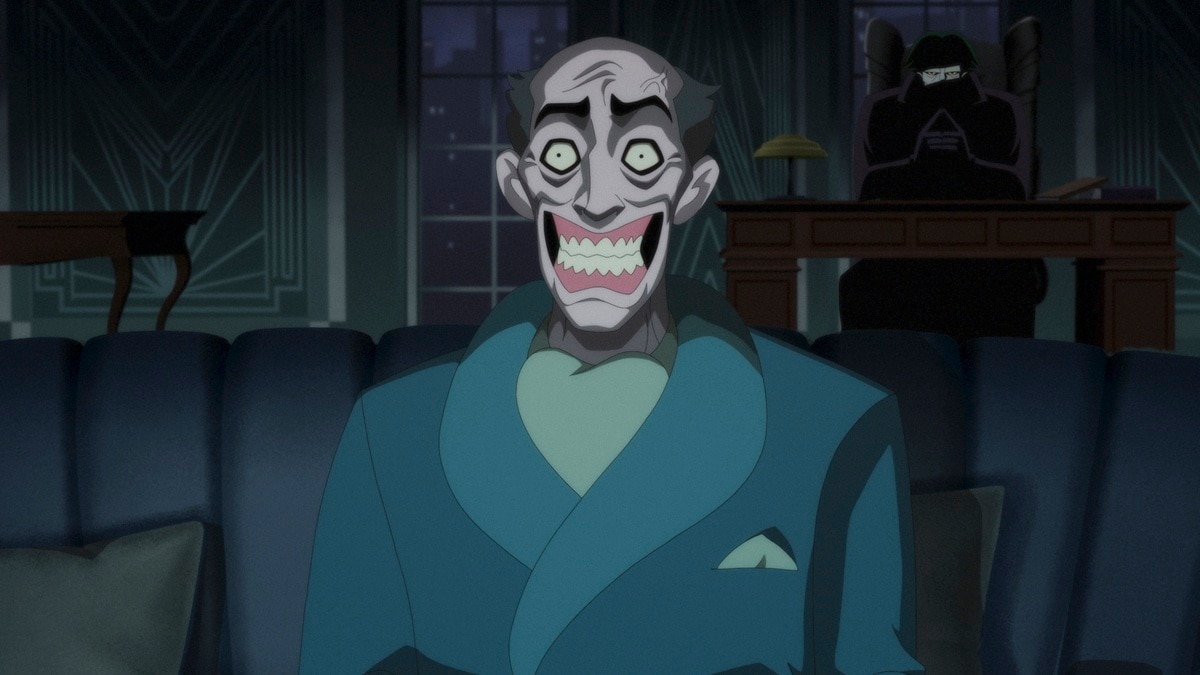
The Joker has appeared with almost every incarnation of Batman in every form of media, so it’s almost disappointing to say the Clown Prince of Crime is Caped Crusader’s most memorable villain. But once again, the Joker gets the last laugh. After being teased all throughout much of Season 2, he steals the show in the two-part finale, “Dead Before Dawn” and “The Laughing Death.” His storyline is reminiscent of his first appearance in March 1940’s Batman #1 (written by Bill Finger with art by Bob Kane and Jerry Robinson), as he announces he’ll kill Gotham’s mayor and executes his plan despite the GCPD’s best efforts to stop him.
Portrayed here as a somber, soft-spoken, German-accented genius given to Nietzschean philosophizing, he’s like an evil Werner Herzog and the perfect foil for the show’s Dark Knight, who often at times has felt removed from humanity. He plays a cunning game of cat and mouse with Batman, not unlike his beloved revillainization in Batman: Strange Apparitions or Heath Ledger’s Oscar-winning turn in The Dark Knight. But his creepy, measured visage—based on that of actor Conrad Viedt, who played the title role in the silent gothic The Man Who Laughs (the inspiration for the character’s creation)—is all his own. We can’t wait for his return.
The first two seasons of Batman: Caped Crusader are now streaming on Prime Video.
Joseph McCabe writes about comics, film and superhero history for DC.com. Follow him on Instagram at @joe_mccabe_editor.
NOTE: The views and opinions expressed in this feature are solely those of Joseph McCabe and do not necessarily reflect those of DC or Warner Bros. Discovery, nor should they be read as confirmation or denial of future DC plans.